Ford is desperately scrambling because it cannot even get plastic chrome trim to stick to a dashboard without turning into a literal hazard. The automaker recently issued a massive recall for 548,463 Expedition SUVs in the United States because a supplier botched production specifications, causing the center console’s chrome finish to peel into razor-sharp edges. But if you think a few sliced fingers are Ford’s biggest headache, the rest of their mid-2026 ledger reads like an absolute industrial horror story.
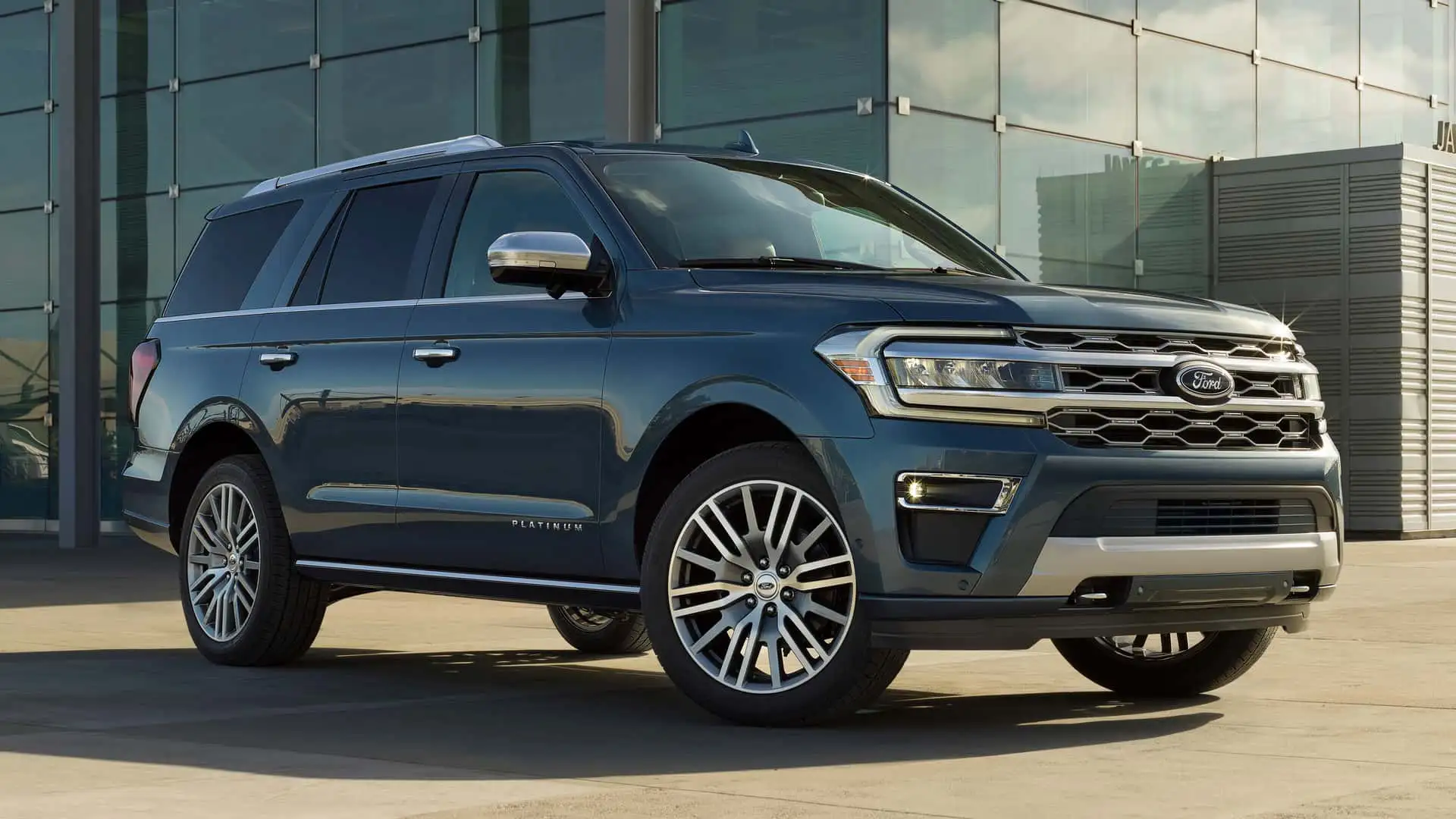
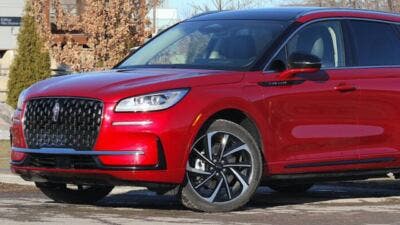
This chrome disaster is merely the tip of a giant, costly iceberg. Earlier this month, Ford expanded a previous NHTSA action to recall 420,000 Expeditions and Lincoln Navigators (model years 2018–2022) because seatbelt retractors are inadvertently jamming or forcefully snapping back. Separately, a terrifying “do not drive” order was slapped onto 4,600 Bronco Sports and Mavericks due to improperly installed front lower control arm ball joints that could completely detach, causing a sudden loss of steering control.
We aren’t even halfway through 2026, and Ford has already logged 34 recall campaigns affecting a staggering 10 million vehicles. To put that into perspective, Ford closed out 2025 with a record-shattering 153 campaigns covering 13 million cars. At the current trajectory, the Blue Oval will comfortably crown itself the recall king once again before the end of the summer.
The vast majority of Ford’s current campaigns involve software glitches, ranging from failing backup cameras and transmission sensor errors to faulty trailer brake lights. This is a PR nightmare for a brand staking its entire future on tight electronic integration.
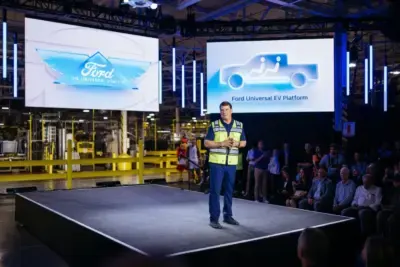
Ford’s upcoming Universal EV platform relies on consolidating vehicle electronics from thirty individual control units down to just five core modules. The engineering logic was supposed to minimize points of failure, but this ongoing crisis exposes the dangerous reality that a single software bug can now paralyze an entire vehicle.
CEO Jim Farley has openly blamed these “self-inflicted wounds,” rightly identifying quality control as the company’s biggest source of financial bleeding. Ford’s warranty expenses consistently siphon off more than $4 billion annually, with individual campaigns routinely hitting nine figures.
Back in 2024, executives proudly launched a “test to failure” quality program, confidently promising visible turnarounds within 18 months. Those 18 months have officially expired, and the assembly lines are still churning out defects, with the 2026 recall rosters now including brand-new, current-model-year vehicles.