Ford is frantically trying to crack the code for an affordable electric pickup, and they think they have finally found the magic formula: switching to lithium iron phosphate (LFP) batteries. The American automotive giant is currently running final validation tests on its new “D-Sample” cells, aiming for full market-ready production by the end of 2026. This new battery tech is destined to power a mysterious, low-cost truck built on Ford’s Universal EV Platform, scheduled to hit the streets in 2027.
But here is where the corporate storytelling gets hilariously complicated. To pull this off, Ford completely ghosted its South Korean partner, SK On, officially breaking up their BlueOval SK joint venture last December. While both parties still share custody and property rights of three manufacturing plants across Kentucky and Tennessee, Ford decided that SK On’s obsession with expensive, high-density Nickel Cobalt Manganese (NCM) cells just wasn’t working out anymore.
Ford wants to play the field, pursuing further diversification into cheaper LFP and Lithium-Manganese-Rich (LMR) chemistries. Sure, NCM batteries give you better performance in freezing winters and more raw punch, but LFP is dirt cheap, highly durable, and doesn’t rely on raw materials that require a geopolitical miracle to source.
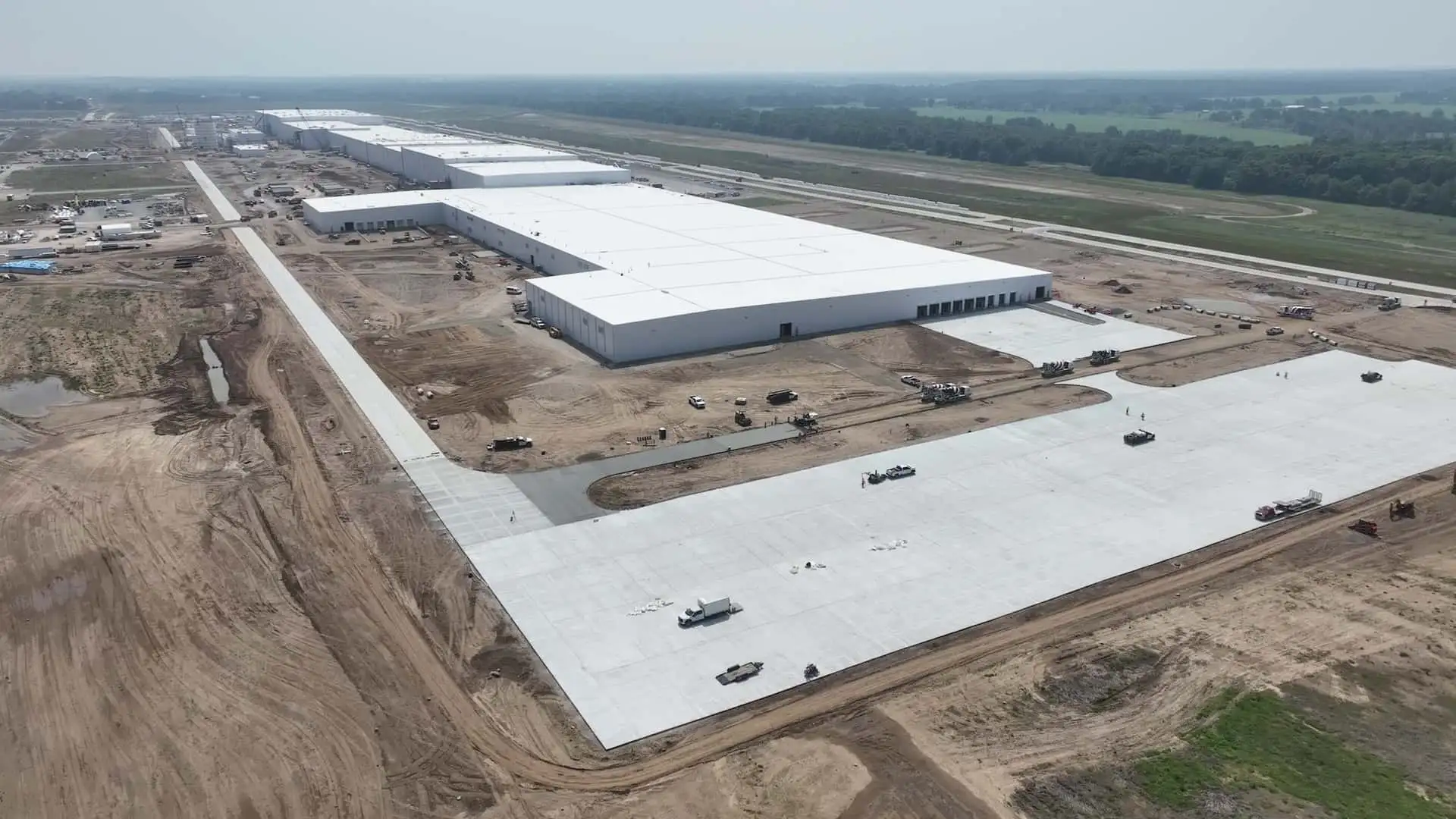
To secure this new LFP future, Ford did what any fiercely independent American brand would do: they bought a technology license from Chinese battery kingpin CATL. Ford is loudly reminding everyone that their new BlueOval Battery Park in Marshall, Michigan, is one hundred percent American-owned, offering them way more operational control than a traditional joint venture.
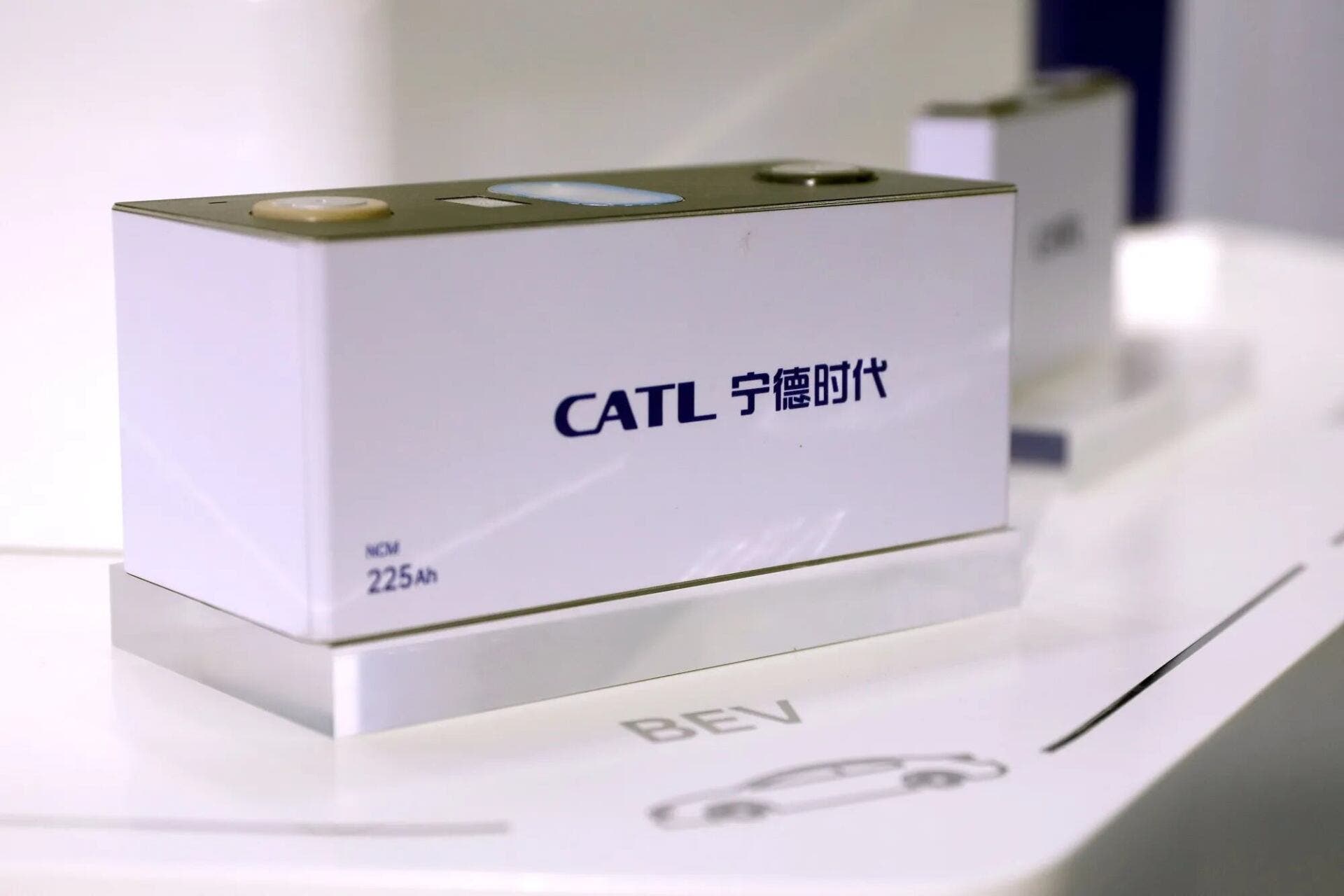
There is just one tiny, ironic catch. The factory might belong to Dearborn on paper, but the technical brains belong to Beijing. CATL employees have been flown straight into Michigan to act as corporate babysitters, training American workers and providing the crucial production expertise needed just to get the assembly lines moving. The factory is American, but its survival depends entirely on Chinese life support.
Back in the optimistic days of 2023, Ford bragged that this Michigan site would eventually employ 2,500 workers and pump out an ambitious 35 GWh of annual capacity. Reality, however, has downsized the guest list. Ford now plans to employ a modest 800 workers by the end of this year, eventually ramping up to 1,700. Whether this represents the final expansion phase remains a corporate mystery, as recent industrial updates conveniently forgot to mention the actual factory output.