

Ford will return to producing small cars in Europe thanks to an industrial agreement with Renault that includes the development of two electric models on Ampere platforms, the French group’s zero-emission mobility division. Production should focus on the ElectriCity hub in northern France, while Ford would retain control over some specific aspects of the vehicles, including chassis tuning.
Ford plans European small-car comeback with Renault electric platforms
The first expected model would be the new electric Ford Fiesta, heir to a small car that shaped the American brand’s history in Europe before leaving the lineup permanently. The car could use the same technical base as the Renault 5 E-Tech, already assembled at the Douai plant alongside the new Nissan Micra. For Renault, the project would offer an important opportunity to increase production volumes at its French factories.
The second project would concern the next-generation Ford Puma. In this case, several possibilities remain open and depend largely on the technical direction Ford chooses to follow. If the new B-SUV becomes fully electric, the platform of the Renault 4 E-Tech, which measures 4.14 meters and is produced in Maubeuge, would represent the most natural solution.
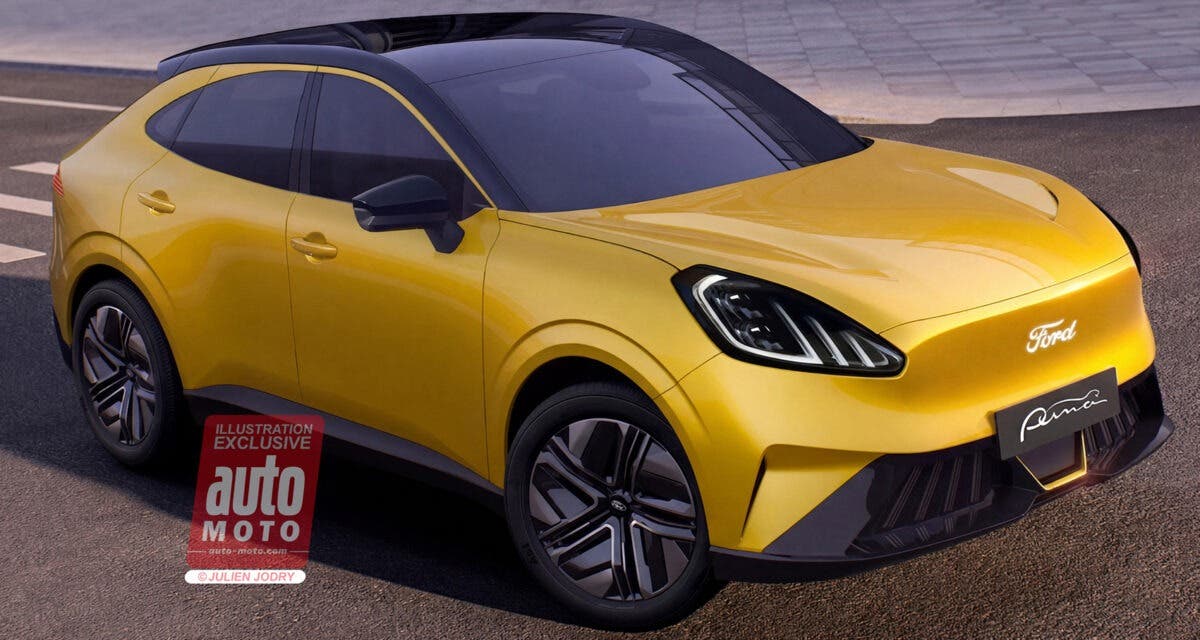
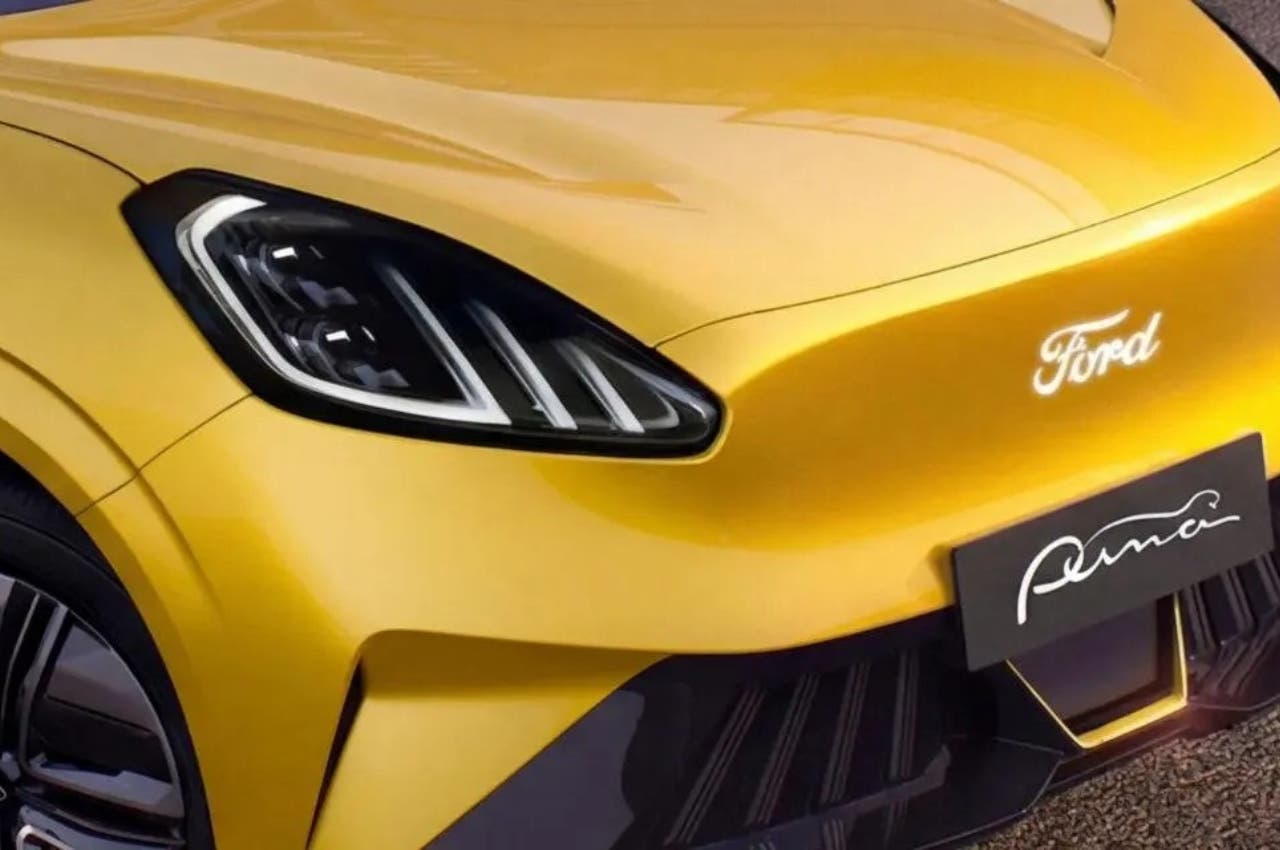
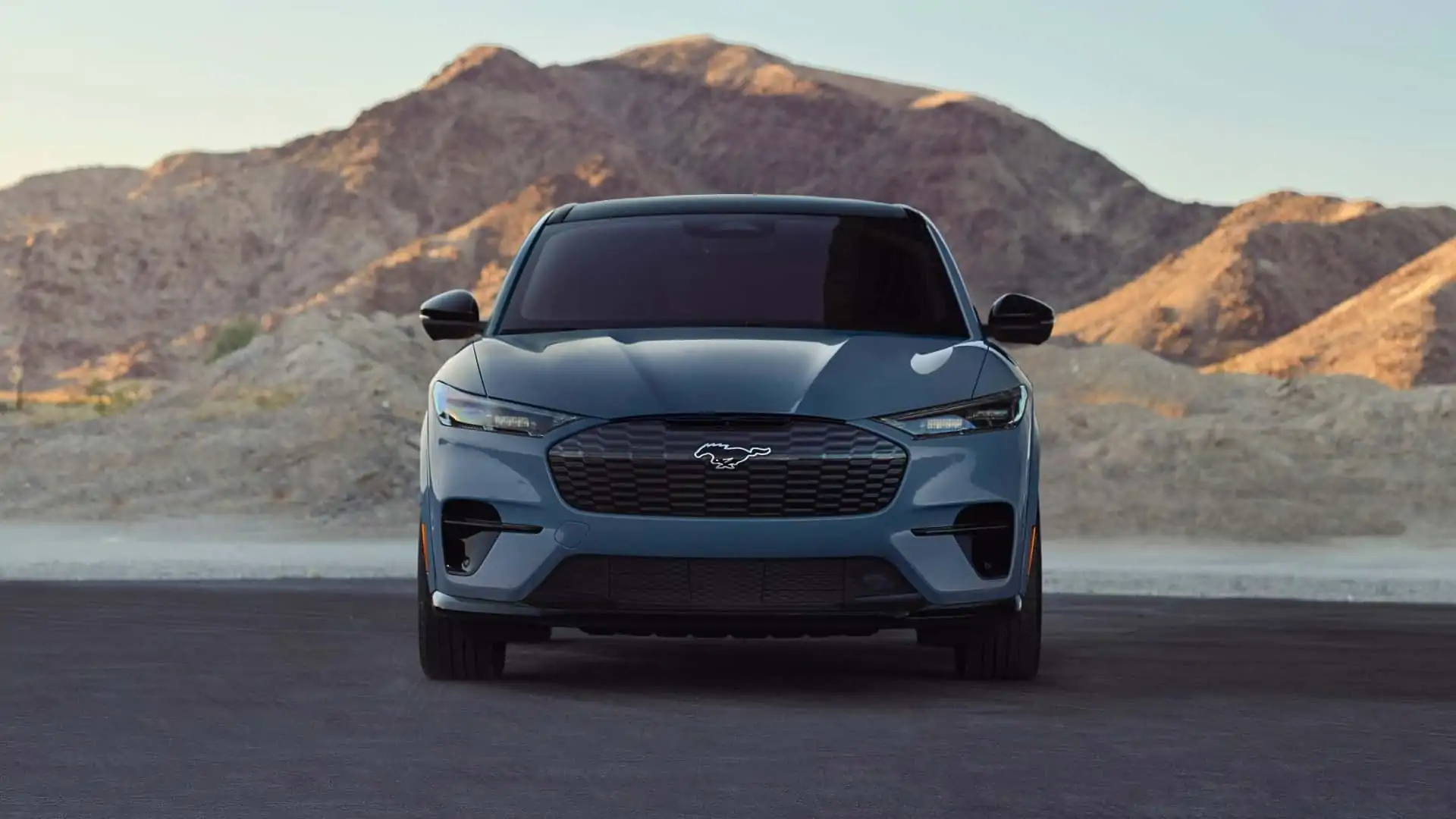
If Ford instead chooses a range-extender architecture, meaning an electric setup with hybrid support, the base of the future 4.21-meter Mégane E-Tech could become the more suitable alternative. A render created by Auto Moto shows how the Ford Puma could change, with styling moving much closer to the Mustang Mach-E and Capri, especially at the front.
The agreement comes at a time when several European automakers are looking for new forms of cooperation to reduce electric platform development costs and ensure more efficient use of factories. The sharing of architectures and production sites between traditionally competing groups could become increasingly common in the near future, and the Renault-Ford agreement represents one of the most significant examples.