

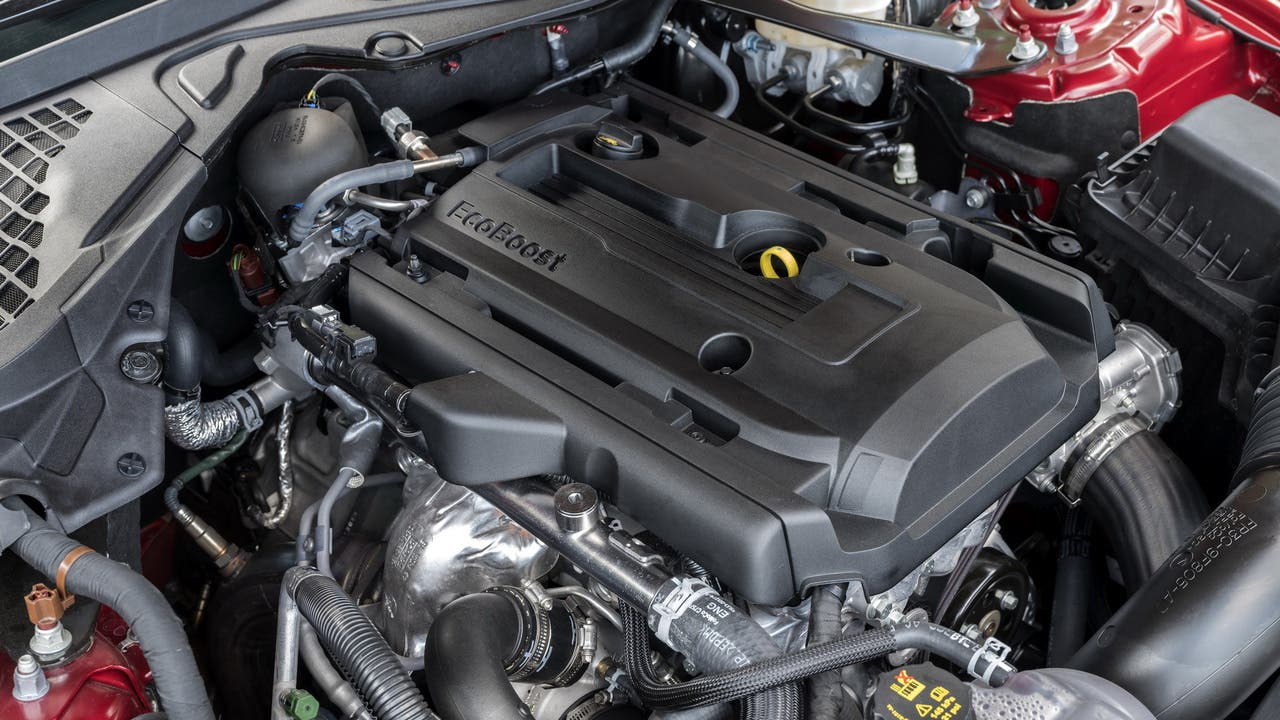
Buying a brand-new car comes with a reasonable expectation: that the thing actually works. Not a revolutionary concept, yet here we are, deep in the Ford EcoBoost saga. A story that started with cracked intake valves and somehow ended up in a courtroom featuring plaintiffs whose engines weren’t even broken.
Let’s rewind. In 2022, three vehicle owners filed complaints with the National Highway Traffic Safety Administration, pointing the finger at the intake valves in Ford’s EcoBoost engines. They weren’t alone. 35 additional complaints had already piled up by then. The NHTSA opened a formal investigation in July 2022, initially focusing on the 2021 Ford Bronco equipped with the 2.7- or 3.0-liter EcoBoost. By 2023, the probe had expanded to cover the 2021–2022 Ford Bronco, Edge, Explorer, F-150, Lincoln Aviator, and Lincoln Nautilus. All sharing the same EcoBoost family.
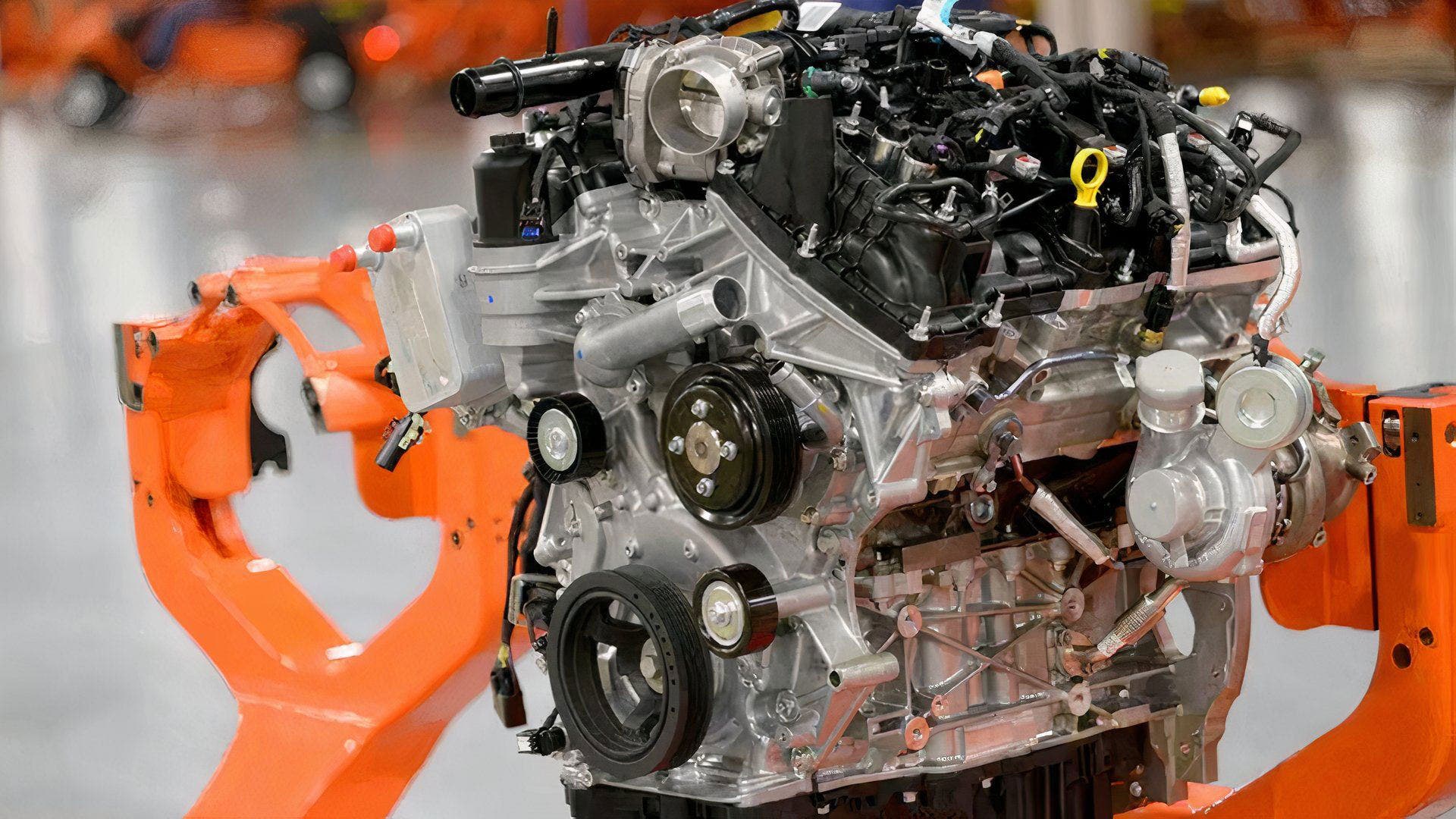
Ford eventually confirmed that the intake valves in question could crack or fracture, potentially causing sudden engine shutdown. A recall followed in 2024. Dealers were instructed to test affected engines and replace the defective ones. Ford also rolled out a customer satisfaction program featuring an extended warranty covering vehicles up to 10 years or 150,000 miles. The NHTSA closed its investigation shortly after. Total elapsed time: 27 months.
A separate group of plaintiffs decided to sue Ford over EcoBoost engines that were never part of the recall, engines produced outside the May 1 to October 31, 2021 manufacturing window where the defective valves originated. They overpaid for vehicles that carried the stigma of a known defect, and that financial harm constitutes a legitimate injury.
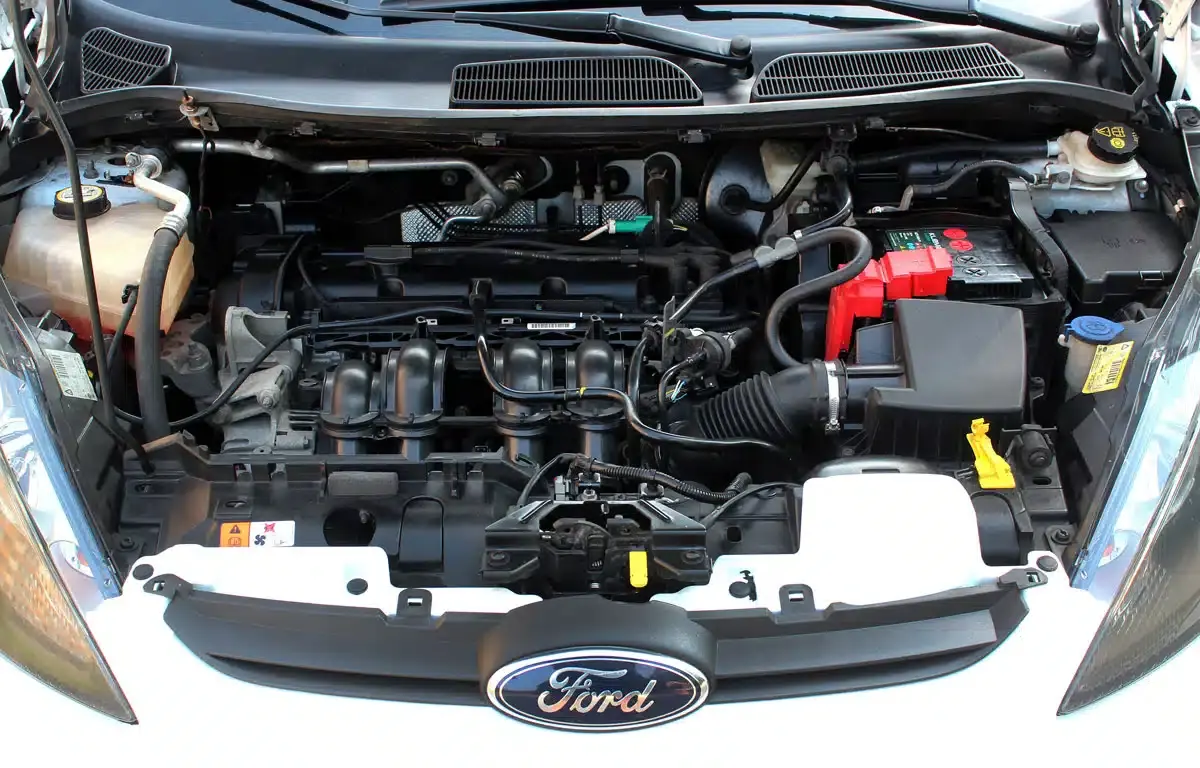
Ford’s defense was blunt. The presiding judge ultimately sided with Ford, dismissing the class action on the grounds that the plaintiffs failed to demonstrate any actual design or manufacturing defect in their specific engines. The judge did, however, acknowledge that overpayment can qualify as monetary injury in principle. A small legal consolation that doesn’t quite cover the attorney fees.