

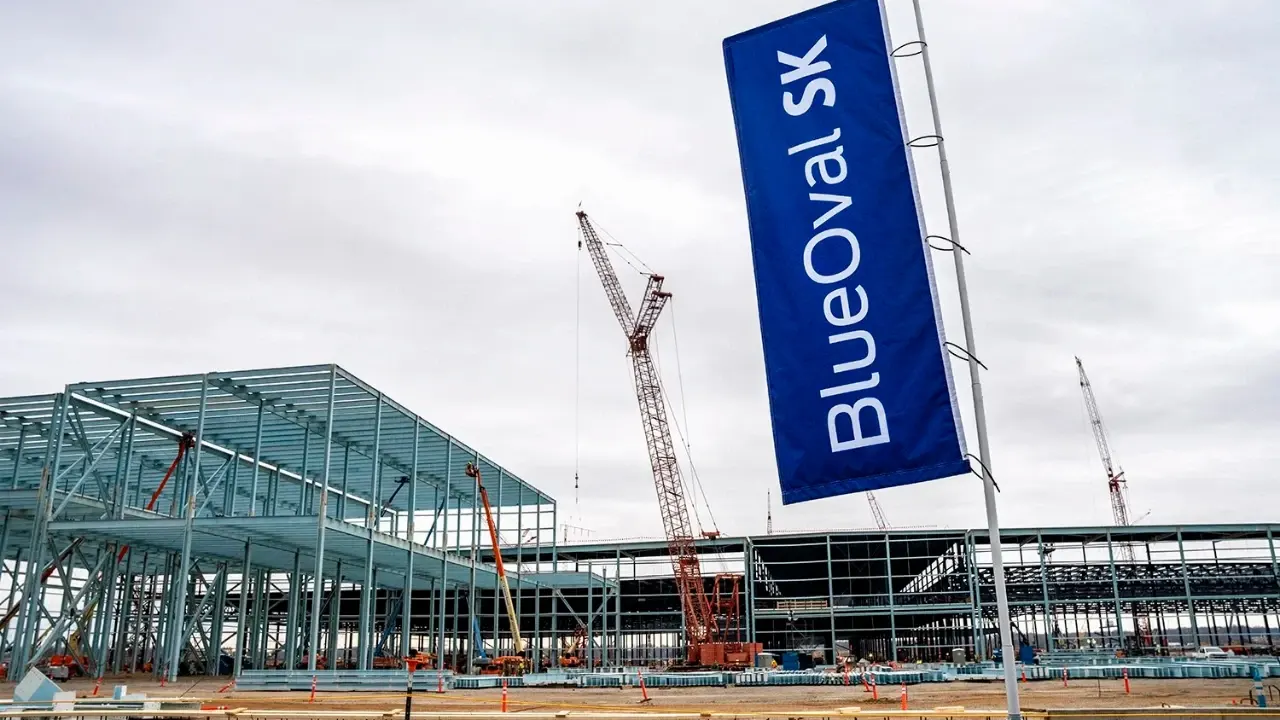
Valentine’s Day 2026 is shaping up to be a heartbreak of corporate proportions for the BlueOval SK workforce in Glendale. While the rest of the world is buying roses, 1,600 employees will be clearing out their lockers. Ford has officially pulled the plug on its electric vehicle battery production at the site, shifting its strategy toward a new venture. Manufacturing energy storage systems for data centers and utility companies.
According to the mandatory WARN Act, the massive layoffs are set to begin around February 14. For the workers, many of whom moved from out of state to join the EV revolution, the news is a gut punch. Governor Andy Beshear has attempted to soften the blow by pointing out that there are “really good jobs” within a 45-minute drive of Glendale, though that’s cold comfort for those who specifically uprooted their lives for a career in battery tech.
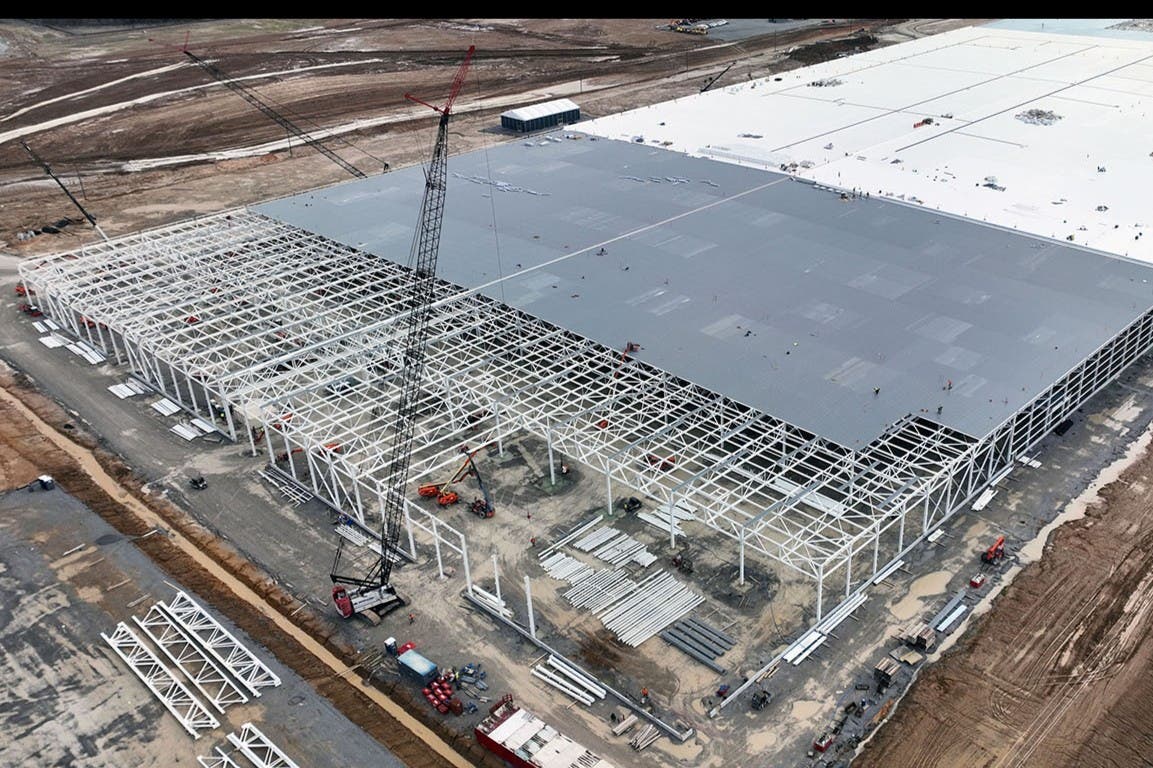
Ford eventually wants to hire 2,100 people for the new energy storage initiative, but the plant won’t be operational until 2027. It will take at least 16 months just to strip out the existing EV battery equipment and retool. For employees, the prospect of reapplying to an employer that just axed his entire department is a hard pass. Especially given the contentious history of safety and pay concerns at the site.
Adding a layer of legal drama to the industrial rubble is a looming battle with the UAW. A razor-thin union victory, decided by just 11 votes, is currently being contested by Ford, which challenged 41 ballots.
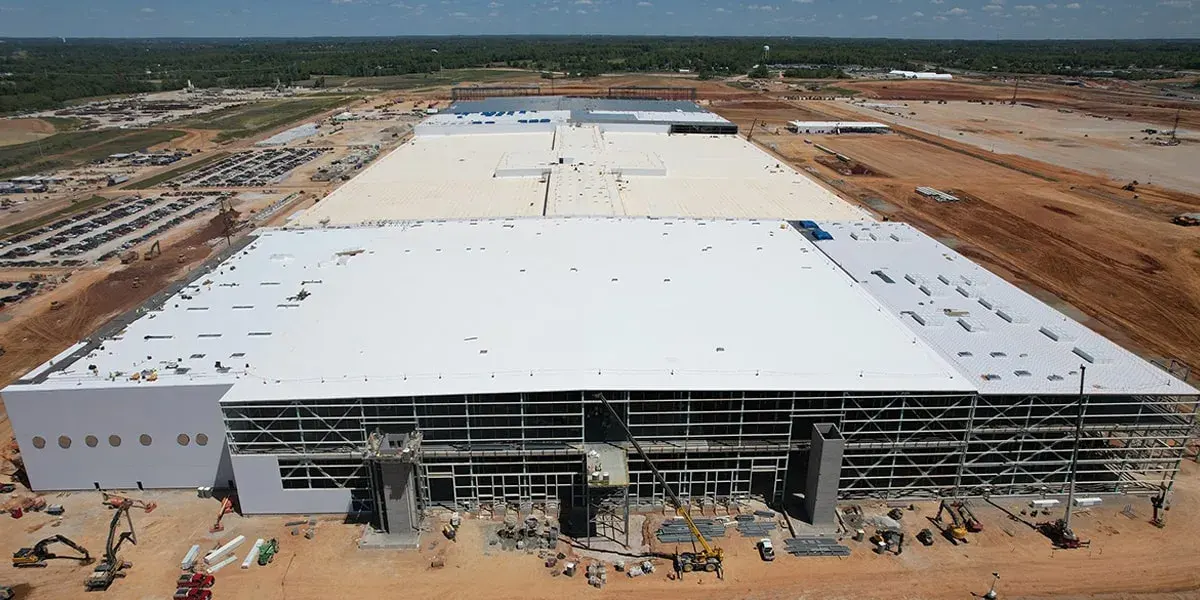
The National Labor Relations Board (NLRB) is now tasked with deciding if the win stands. If the union is certified, Ford might be legally forced to negotiate the terms of the closure and severance benefits. Even more interesting is the “successor” rule. If the NLRB decides the new energy storage business is a legal successor to the battery plant, Ford might be forced to automatically recognize the union for the new facility in 2027.