

The Financial Times dropped what looked like a bombshell Saturday: Ford and Xiaomi were allegedly cozying up for an electric vehicle joint venture on American soil. Both companies rushed to shoot it down.
Ford’s spokesperson went full social media mode, calling the report “completely false” on X, while Xiaomi coolly reminded everyone they don’t even sell in the United States and aren’t negotiating to start. Yet here we are, talking about it anyway, because denials have a funny way of keeping stories alive.
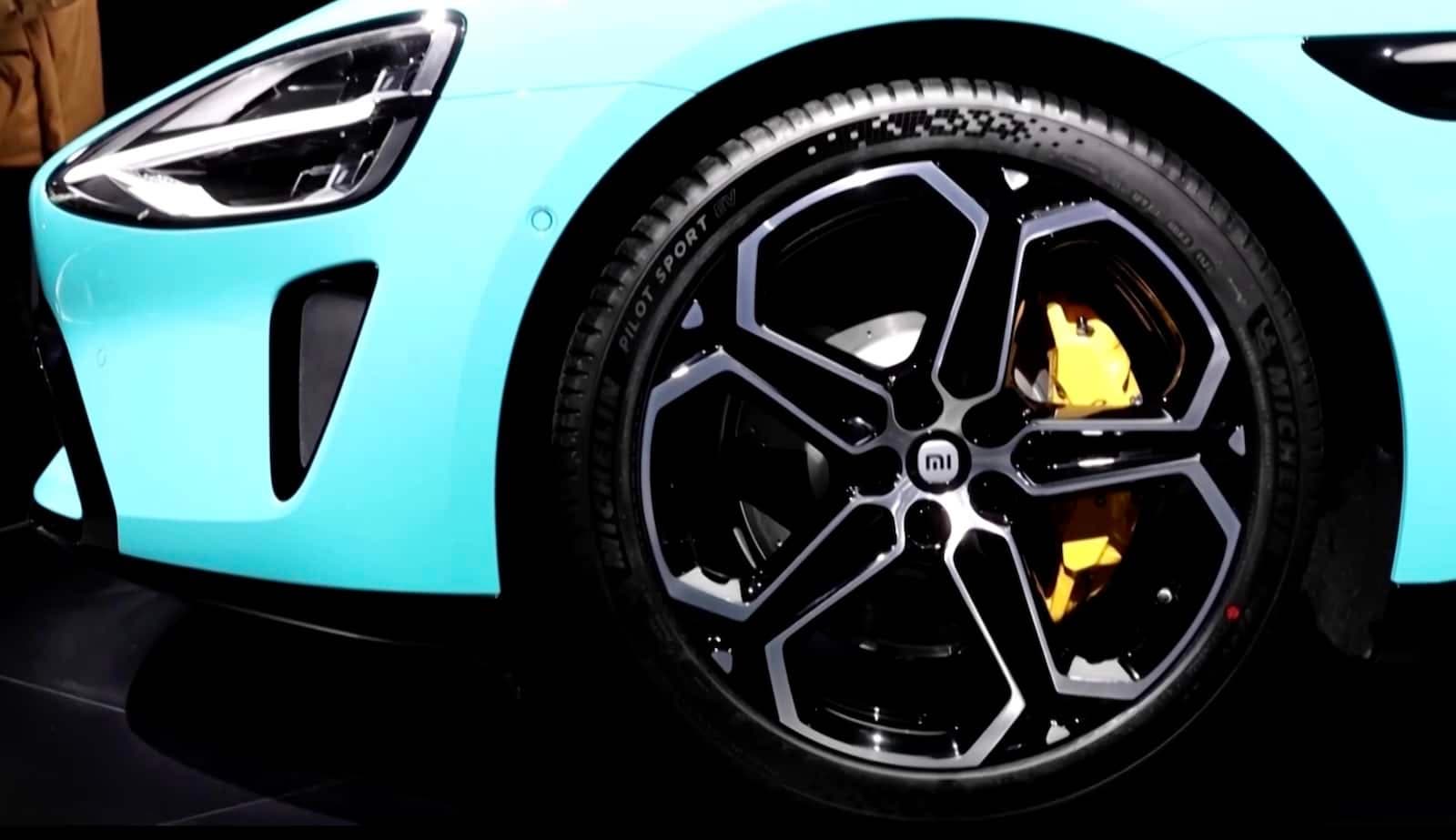
The timing couldn’t be more awkward for Ford. Republican Congressman John Moolenaar just fired off a letter to CEO Jim Farley earlier this week, demanding answers about potential partnerships with Chinese automaker BYD and warning about the grave vulnerability of letting Chinese companies into the American automotive supply chain. Moolenaar’s concern isn’t exactly unfounded. China has shown it’s willing to weaponize the automotive value chain, and the idea of Ford cozying up to BYD or any other Chinese manufacturer has lawmakers sweating over national security.
Ford’s already walking a tightrope with its $3 billion battery production data center using technology from Chinese giant CATL. Add rumors of partnerships with Xiaomi or BYD into the mix, and you’ve got a perfect recipe for congressional hearings and angry constituent emails.
Meanwhile, North American automakers are quietly backing away from their expensive electric vehicle push after getting absolutely smoked by Chinese rivals. Ford itself took a brutal $19.5 billion write-down last December and scrapped several EV models, pivoting instead toward cheaper hybrids and more affordable options. Turns out building electric vehicles that people actually want to buy at prices they can afford is harder than anticipated. Especially when you’re competing against manufacturers who’ve mastered cost efficiency.
Alleged partnerships that don’t exist, letters from concerned legislators, billions in write-downs, and everyone pointing fingers at China while trying to figure out how to actually compete. Ford insists there’s nothing to see here with Xiaomi. Congress insists there’s everything to worry about with BYD and CATL. And somewhere in Detroit, executives are probably wondering if there’s any way to build competitive EVs without accidentally triggering an international incident.