

After years of focusing almost exclusively on SUVs and pickup trucks, Ford now appears ready to reconsider some of its past decisions. The American automaker gradually removed long-standing models such as the Fiesta, Focus, Fusion, and Taurus from its lineup, arguing that the market had shifted elsewhere. Today, however, the brand is already showing signs of regret. CEO Jim Farley openly admitted that the real reason behind the withdrawal was not a lack of customer interest, but Ford’s inability to generate sufficient profit margins on those vehicles.
Ford may return to sedans after abandoning Focus and Fiesta
For years, the narrative centered on changing consumer habits, yet Farley acknowledged that demand for sedans never truly disappeared. The real issue was financial. Ford could no longer make compact and mid-size cars profitable, even though customers continued to want them.
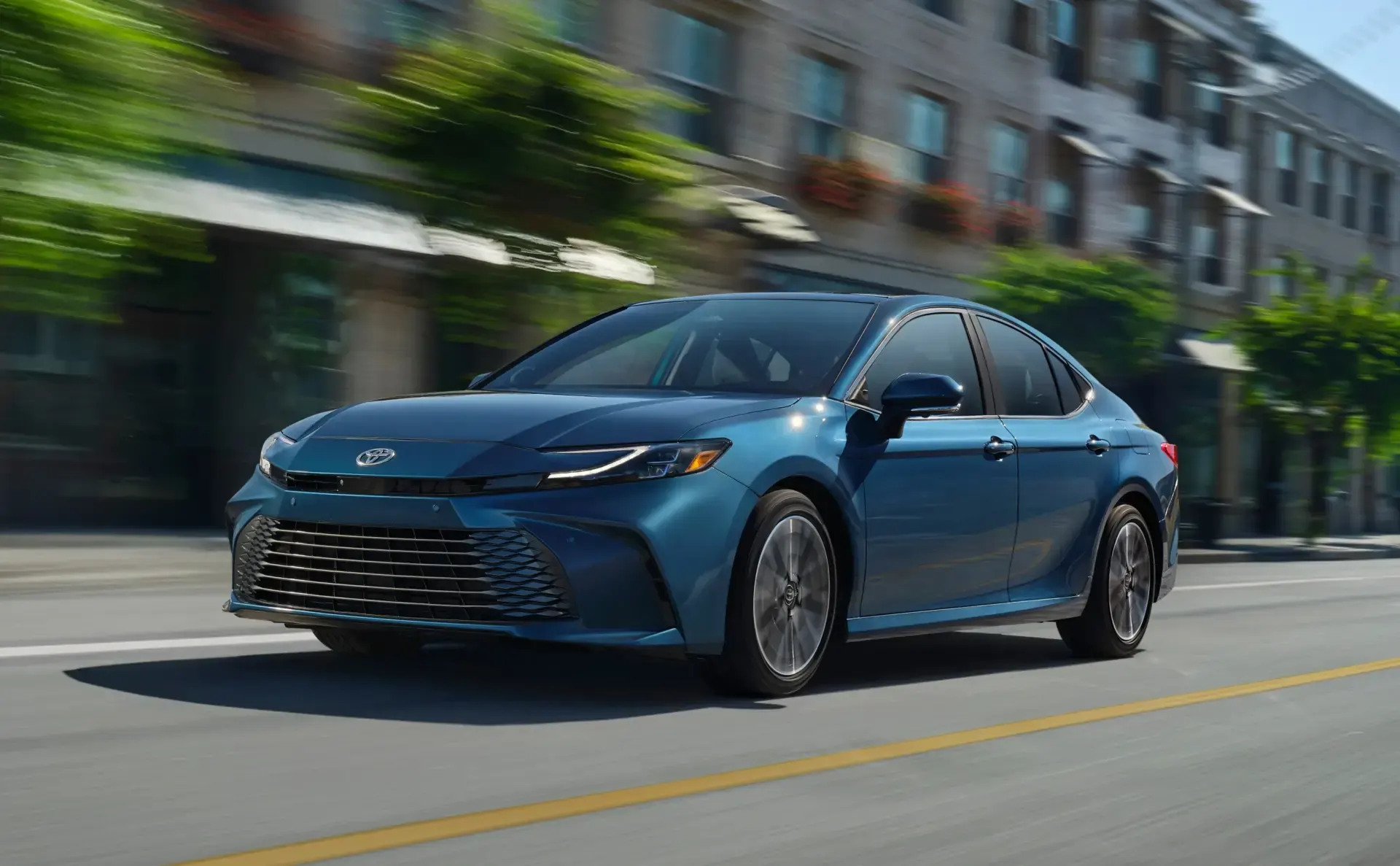
The consequences remain visible in Ford dealerships today. Buyers who are not interested in SUVs or pickup trucks have very limited options, with the Mustang standing as the only real alternative. That choice, however, does not satisfy drivers looking for a practical, efficient car for everyday use. Meanwhile, competitors have taken full advantage of the gap Ford left behind. Toyota’s sales figures speak for themselves: in 2025 alone, the Camry surpassed 350,000 units sold in the United States, while the Corolla also recorded strong numbers. Hundreds of thousands of customers turned elsewhere simply because Ford no longer offered affordable cars in those segments.
Farley has now suggested that a return to the sedan market is not off the table and that the company is exploring new solutions. As vehicle prices continue to rise, Executive Chairman Bill Ford has also stressed the need to rethink the entire production process in order to build truly affordable cars once again.
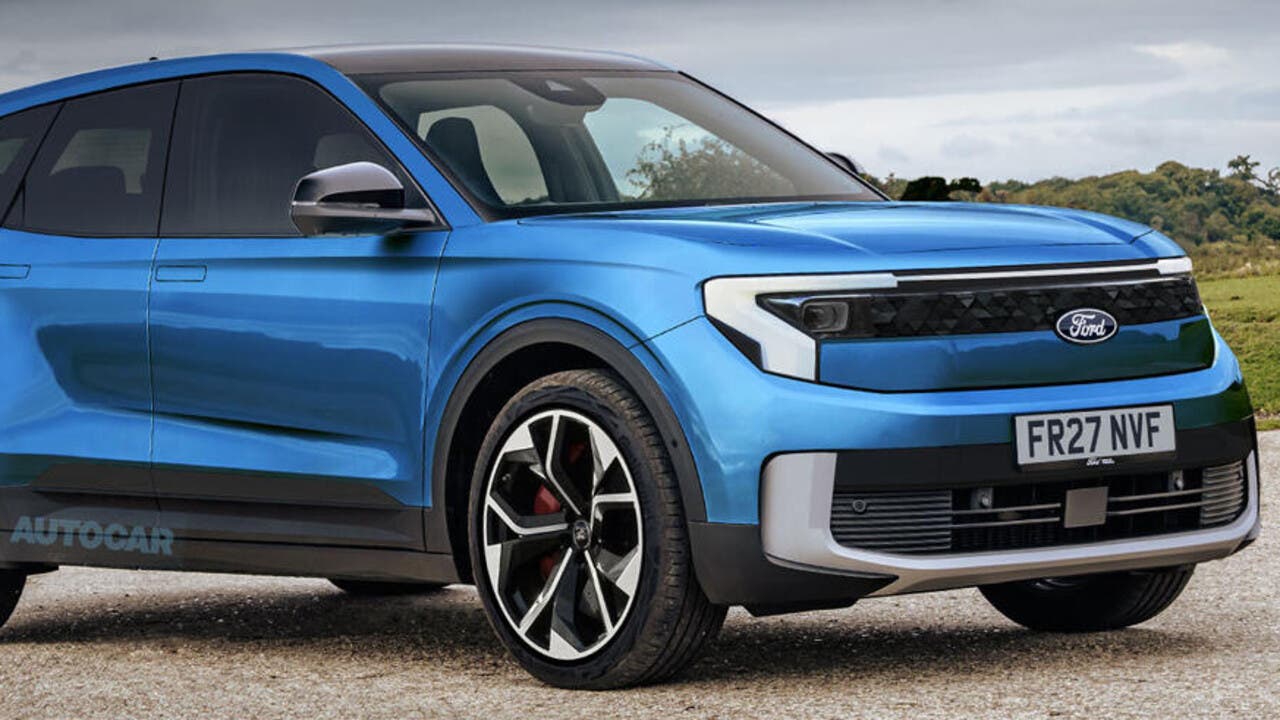
One of the most talked-about possibilities involves a four-door Mustang, often referred to as the Mach 4. The idea would be to leverage a strong and recognizable name to create a sportier yet more practical sedan capable of attracting a broader audience.
That said, re-entering a segment abandoned years ago requires time, investment, and a clear strategy. In the meantime, customers have grown accustomed to other brands and have found solid alternatives in terms of efficiency, comfort, and running costs. To win them back, Ford will need more than a nostalgic return, it will need a genuinely competitive product that delivers both value and quality. In the short term, the Blue Oval has also moved to limit the damage by reaching an agreement with Renault, which will lead to the development of a new electric model.