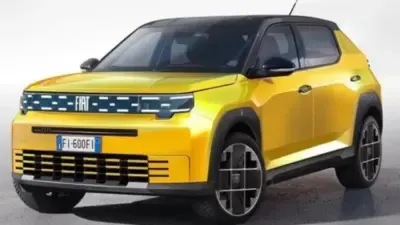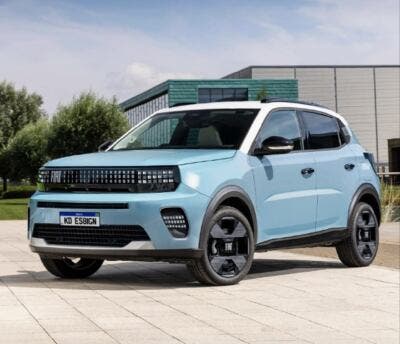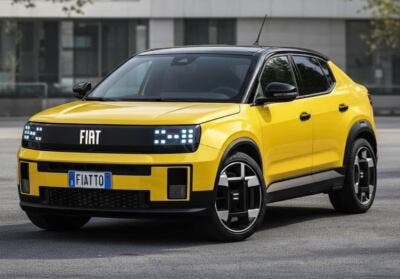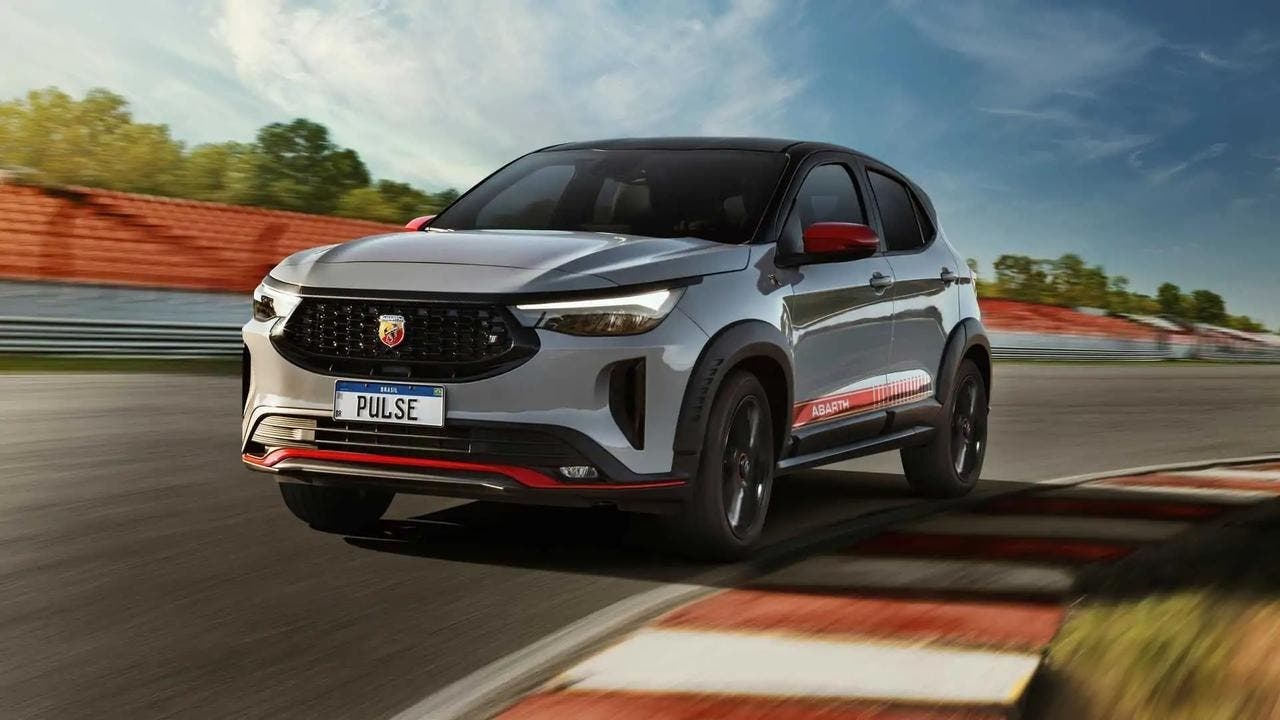
Stellantis is preparing several technical updates for models destined for the South American market. Among the most notable developments is the introduction of a 48-volt mild hybrid system that will debut on several vehicles within the group in the coming years. Fiat Pulse and Fastback Abarth Turbo 270 will also adopt this technology when the 2027 model year arrives.
Stellantis prepares 48V Hybrid technology for Pulse and Fastback Abarth
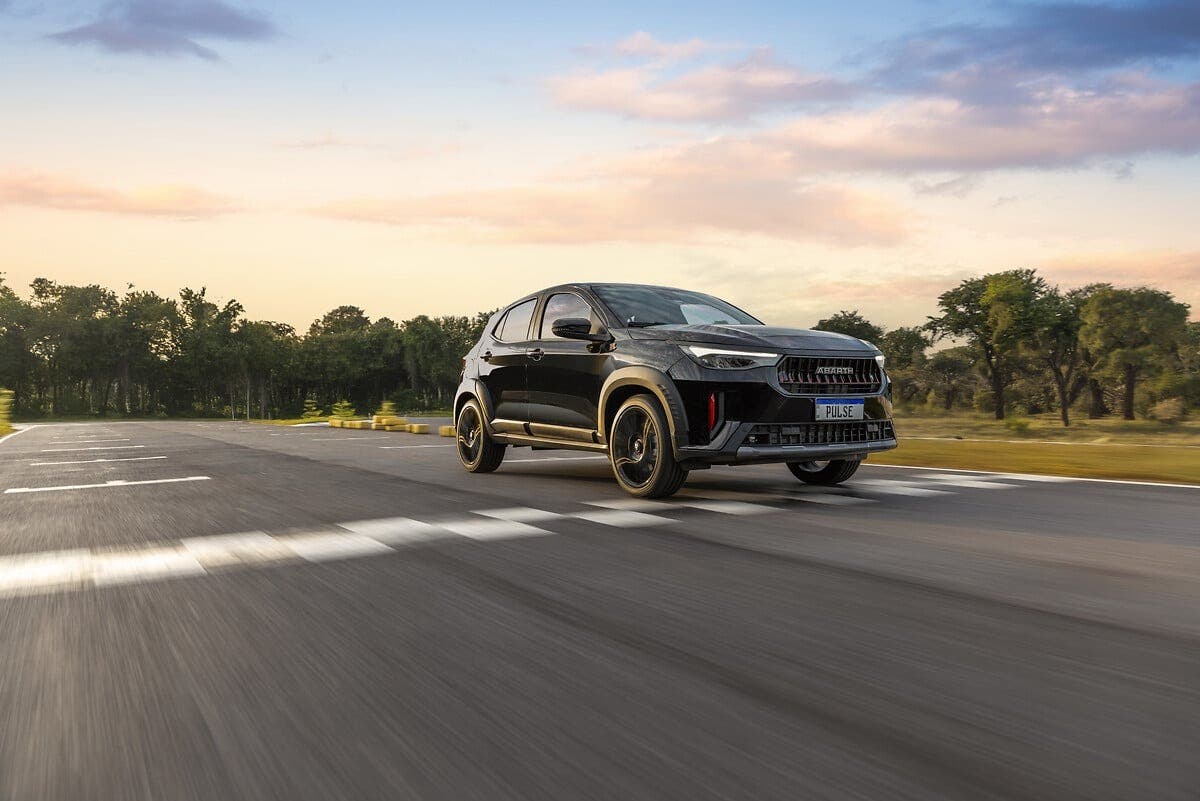
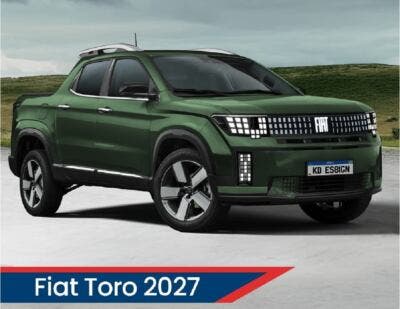
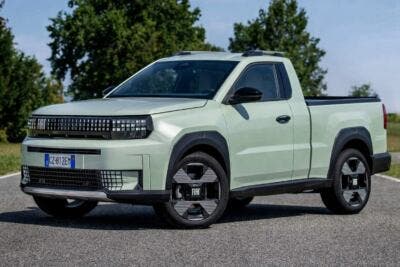
Before appearing on these models, the new mild hybrid system will debut on other vehicles within the Stellantis portfolio. The first is expected to be the 2027 Jeep Renegade, followed later by the Jeep Compass, Jeep Commander and the Fiat Toro pickup. Only afterward will the technology reach Fiat’s compact SUVs aimed at the Brazilian market.
Meanwhile, the first prototypes have already appeared during road tests in Brazil, particularly around Belo Horizonte, the capital of the state of Minas Gerais. Photos published by photographer Rodney Moura show camouflaged vehicles undergoing development testing. According to the specialized website Autos Segredos, Stellantis plans to pair the 48-volt mild hybrid system with the 1.3 Turbo Flex engine while using a traditional AT6 automatic transmission instead of the E-DCT dual-clutch gearbox that engineers had initially considered.
The electrified system adds an electric motor producing around 28 horsepower and 5.6 kgfm of torque. The role of the 48-volt mild hybrid system may vary depending on the configuration. In some cases it will focus on improving performance, while in others it will prioritize reducing fuel consumption and emissions. Following the naming logic already used for the 12-volt system, this new configuration could reach the market under the name T270 Hybrid.
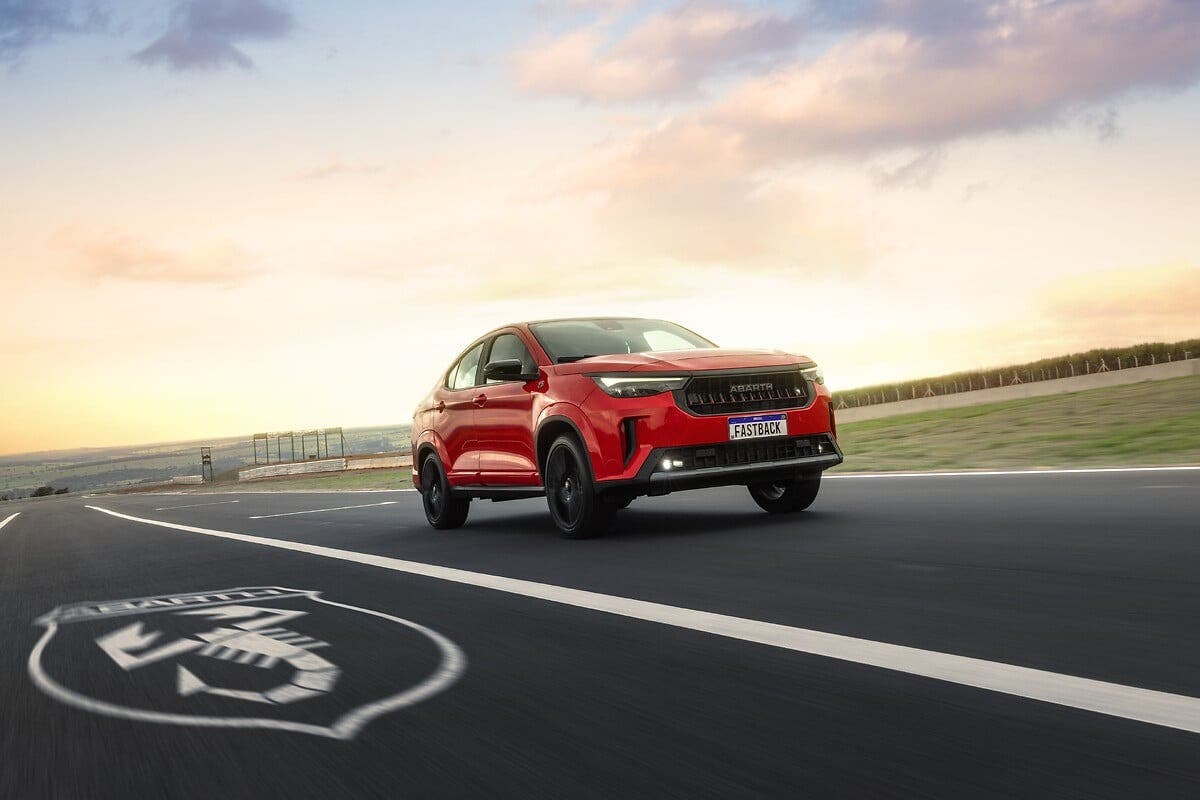
The current 1.3 Turbo Flex engine used in the group’s SUVs produces up to 185 horsepower with ethanol and 180 horsepower with gasoline, delivering around 27.5 kgfm of torque. A 48-volt battery with a capacity of 0.9 kWh powers the hybrid system. The battery receives energy from both the combustion engine and regenerative braking. As on the 12-volt systems already used in Pulse and Fastback, engineers place the battery under the driver’s seat.
The vehicle’s electronic management system constantly decides how to deploy the available energy, selecting between combustion power, electric assistance or a combination of both. The main objective remains improved overall efficiency and reduced fuel consumption.
Choosing a traditional automatic transmission instead of a dual-clutch gearbox could influence performance. DCT systems usually reduce power losses thanks to greater mechanical efficiency compared with the torque converters typical of conventional automatic transmissions. They also tend to weigh less.
Moving from 12-volt hybrid systems to 48-volt solutions mainly increases the electric motor’s power. Higher voltage allows stronger performance while keeping the system compact. When combined with a dual-clutch transmission, this additional energy can operate even more efficiently, although it would increase the overall cost of the system.