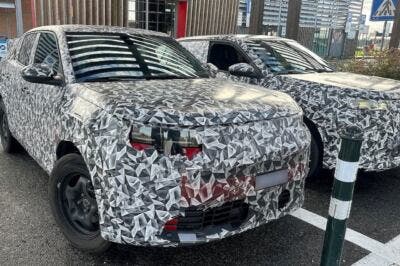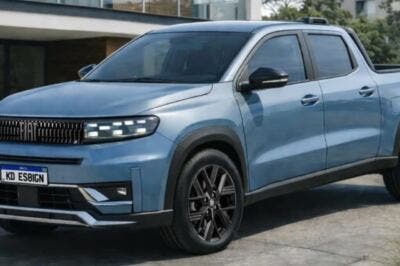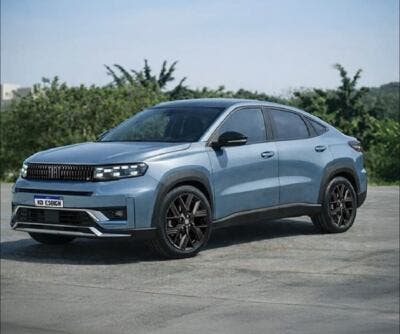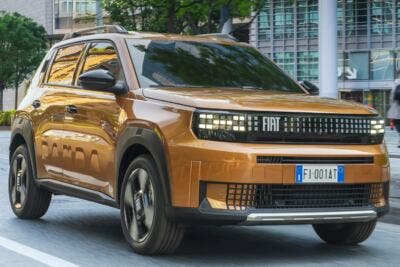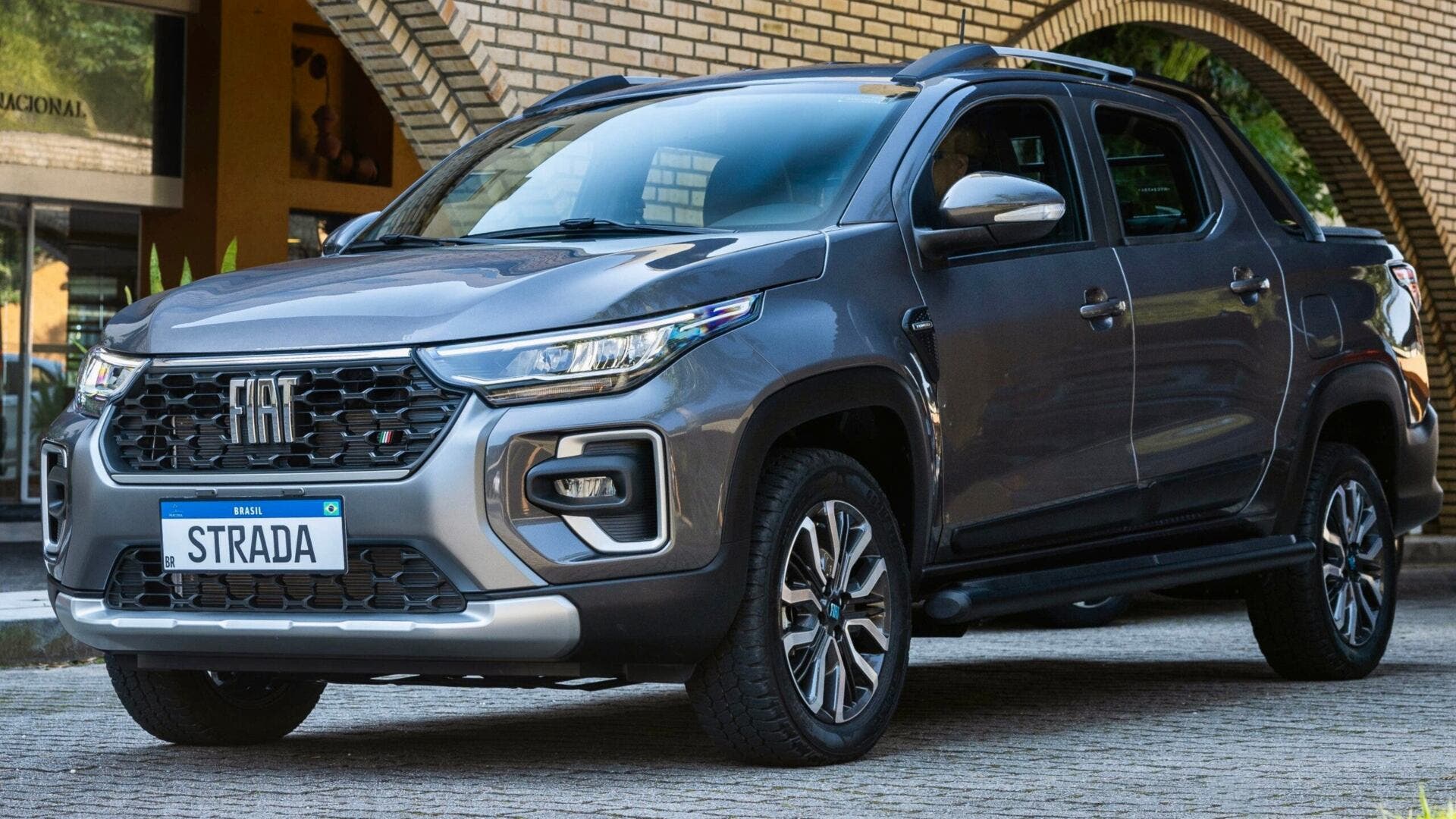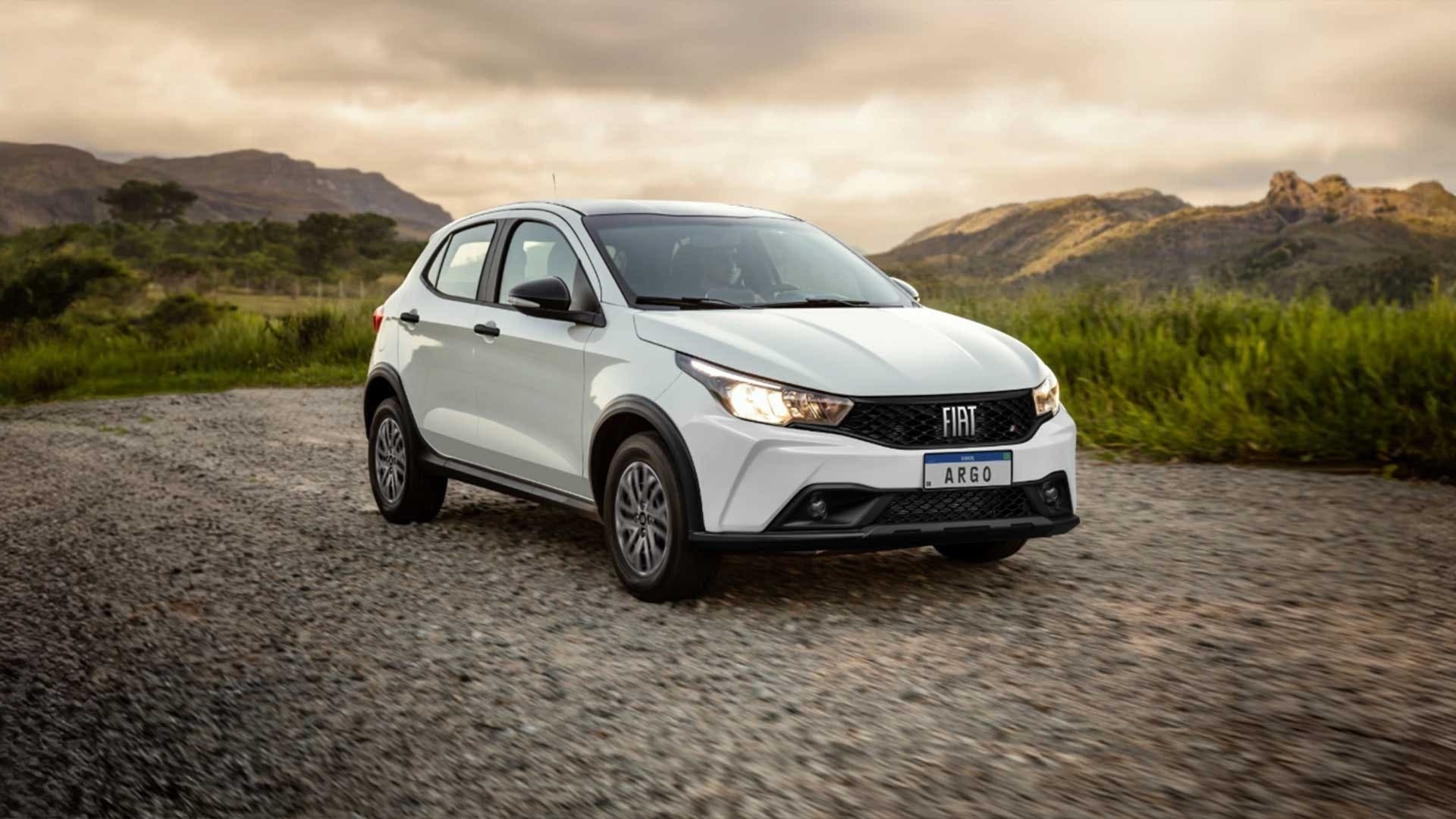
The Fiat Argo continues to play a key role in the South American market, especially in Brazil, where the model is produced and consistently posts strong sales figures. For this reason, it often features prominently in discussions about the brand’s commercial performance. That is why the news coming from Brazil in recent days has attracted particular attention: with the arrival of the new generation, the current Argo will not leave the market immediately as originally expected.
Fiat Argo will coexist with its successor as sales remain strong in Brazil
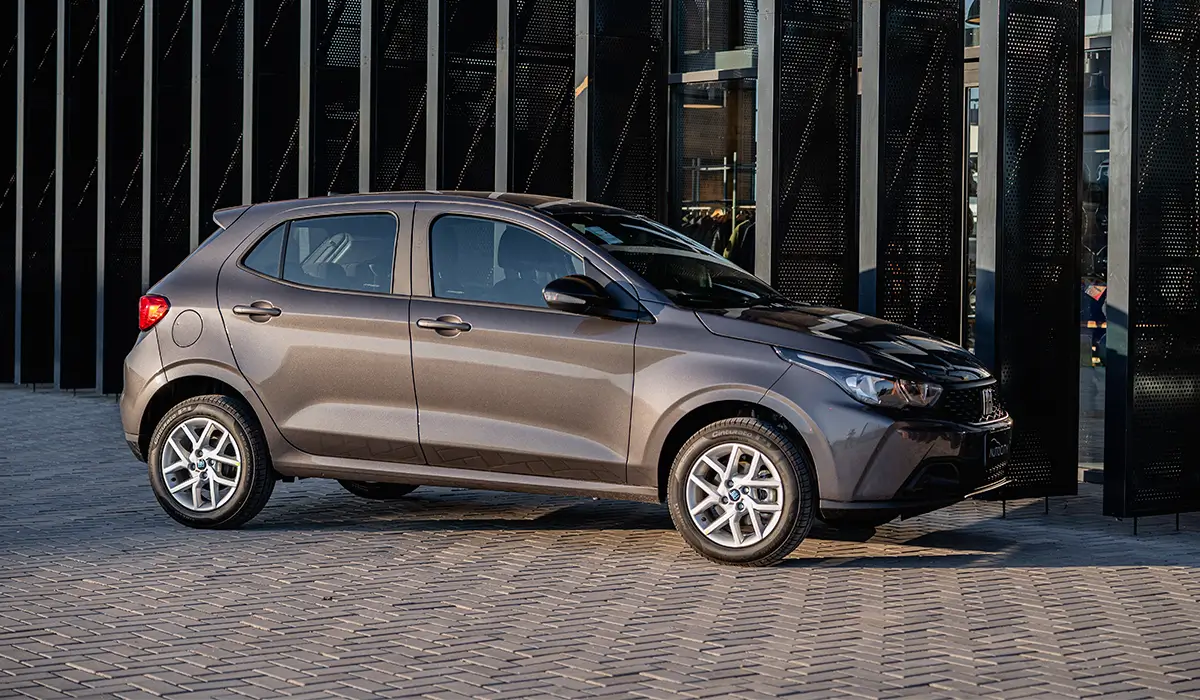
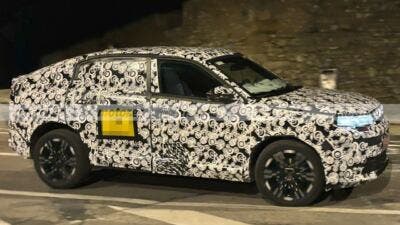
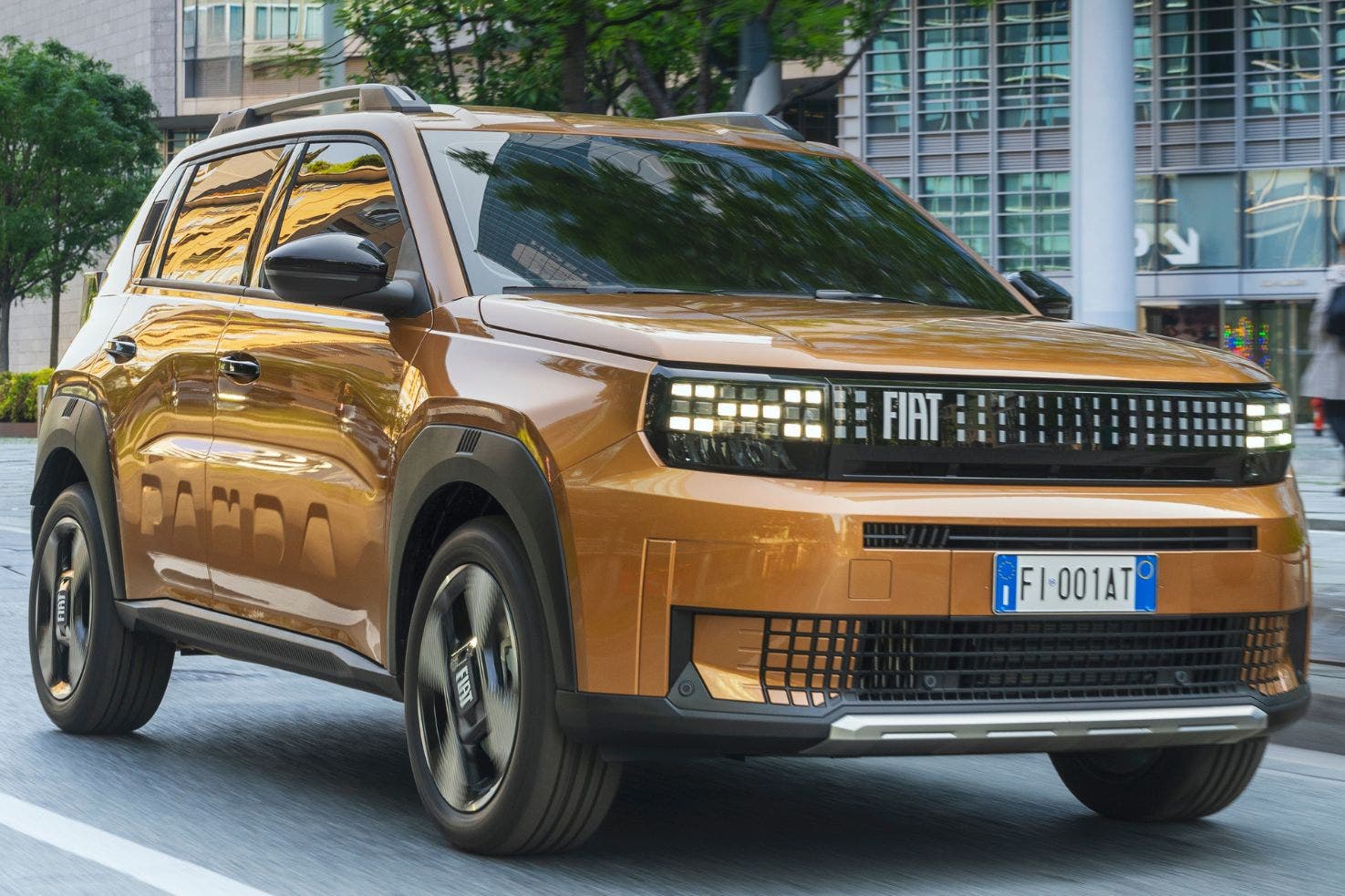
As already known, Fiat will use the Argo name for the South American version of the upcoming Grande Panda. However, according to Auto Segredos, the brand has decided to keep the current hatchback in the lineup as well, at least for a certain period of time. The decision makes sense when looking at the numbers. The Argo continues to sell very well and last year ranked as the second best-selling car in Brazil, behind only the Volkswagen Polo, excluding commercial vehicles.
This would not be the first time Fiat has adopted such a strategy. In the past, the brand kept two generations of the same model on sale at the same time, as happened with the Palio and Uno in the early 2010s. In that case, the older versions remained on the market under the “Fire” name alongside the newer models. A similar approach now seems likely, although with a different naming strategy.
According to reports from Brazil, Fiat could rename the current generation “Urban.” The company would also simplify the lineup significantly, offering just two versions: a 1.0-liter engine with manual transmission and a 1.3-liter version paired with a CVT gearbox. Today, the Argo comes in five different trims, with prices ranging from just under 95,000 reais to over 110,000 reais for the Trekking version.
From a design standpoint, the future Urban version would likely resemble the former Argo Endurance, which borrowed some styling cues from the Trekking version but without the raised suspension or off-road details. Fiat has already followed a similar approach with other models, such as the Mobi, gradually reducing differences between trims.
This strategy would allow Fiat to maintain strong sales volumes until the arrival of the new Argo, avoiding gaps in the lineup and maximizing the potential of a model that still performs very well in the market. At the same time, the next-generation Argo, based on the Grande Panda, will move slightly upmarket, positioning itself above the current model and also above the Citroën C3, with an inevitable increase in prices.
In this way, Fiat aims to cover multiple market segments at once, ensuring sales continuity while managing a gradual transition toward the new generation.