

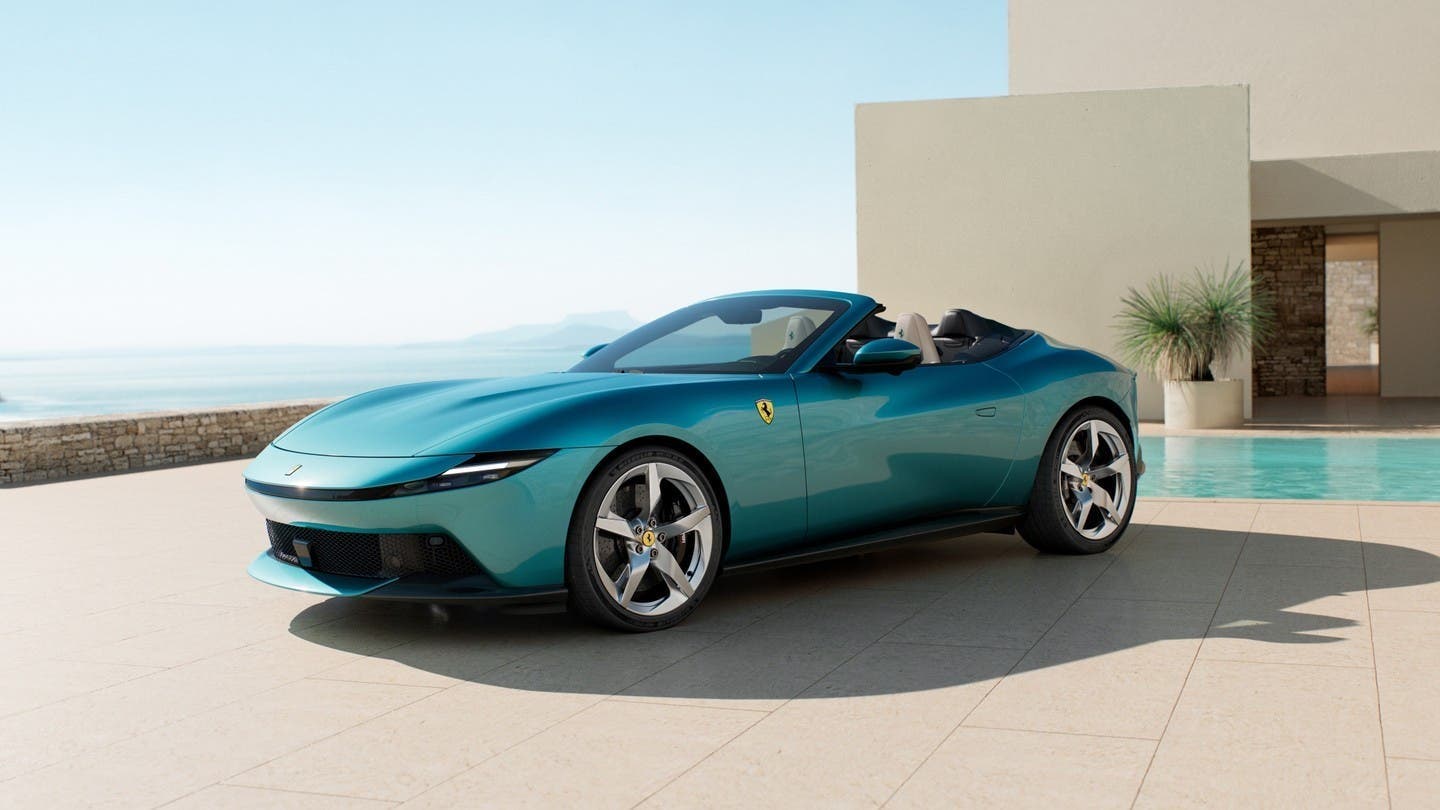
Ferrari reportedly achieved an average profit of €223,680, about $241,600, for every car sold in 2025, up from €202,589, about $218,800, in 2024, according to the ranking published by Car Industry Analysis. The increase of more than €20,000 in a single year confirms Maranello’s ability to expand margins through a model based on controlled exclusivity, long waiting lists, high-value personalization and deliberately limited production volumes.
Ferrari’s profit per car reaches an astonishing $241,600
The figure naturally represents an average across the entire range. Actual profit varies significantly from model to model, with lower margins on entry-level cars and much higher margins on special series, hypercars and heavily customized configurations.
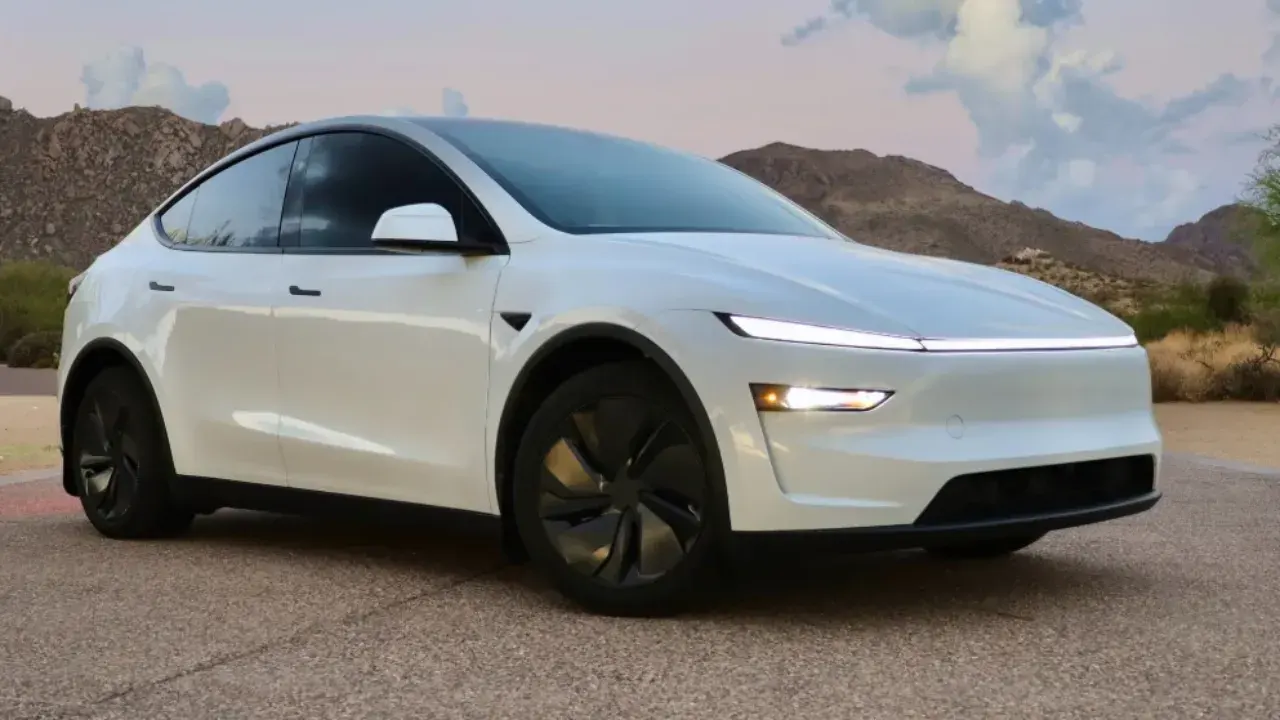
The gap with the rest of the auto industry looks extraordinary. Jaguar Land Rover ranks second with an average profit of €18,657, about $20,150, per vehicle, down from €22,911 in 2024. Tesla follows with €5,859, about $6,330, a broadly stable figure compared with €6,606 the previous year.
Mercedes takes fourth place with €4,943, about $5,340, per car, down from €6,720 in 2024, while BMW completes the top five with €4,055, about $4,380, also lower than the €4,733 recorded in the previous year.
The middle of the ranking includes Toyota with €3,660, about $3,950, Volvo with €3,458, about $3,730, and Li Auto, the top Chinese company for profit per vehicle, with €3,081, about $3,330. General Motors stands at €3,041, about $3,280, while Honda closes the top ten with €3,027, about $3,270. Further down the list, BYD ranks 12th with €2,538, about $2,740, Renault places 13th with €2,484, about $2,680, and Volkswagen ranks 15th with €1,770, about $1,910.
Stellantis appears to face a particularly delicate situation. No brand from the group appears in the top 30, with the exception of Leapmotor, which ranks 23rd with an average profit of €776, about $840, per car. The group’s aggregate figure would instead point to an average loss of about €1,900, around $2,050, per vehicle, reflecting a still complex phase shaped by high costs, the weight of the electric transition and an industrial reorganization process that continues to affect overall profitability.