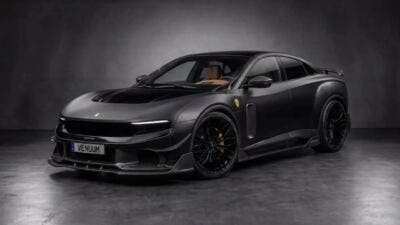
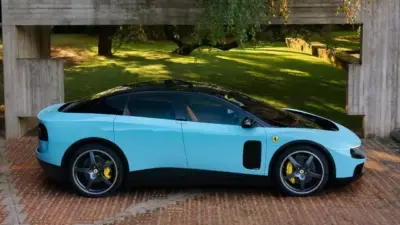
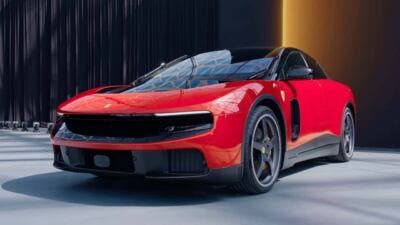
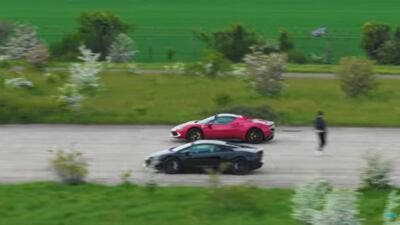
The Ferrari Luce continues to dominate the automotive debate in recent days. It arrives as Maranello’s first fully electric car and brings with it a design language far removed from the brand’s classic imagery. Its styling has divided the public since the first official images, triggering polarized reactions across digital channels and among long-time collectors. Ferrari’s leadership, however, is urging people to reserve judgement until they experience the car on the road. CEO Benedetto Vigna has repeatedly said that the Luce should be judged after driving it, arguing that nothing currently on the market compares with it in terms of technical layout and design philosophy.
Maranello’s position makes sense in light of Ferrari’s industrial history, built around the ability to calibrate every component around the driving experience even before aesthetics or declared power. The Luce introduces a formal language different from Ferrari tradition, but the road will show whether its dynamic setup can deliver the character that historic Ferrari customers expect, especially in an era where electric cars tend to make many driving sensations feel more uniform.
Ferrari Luce, Vigna rules out autonomous driving and confirms Maranello’s multi-technology strategy
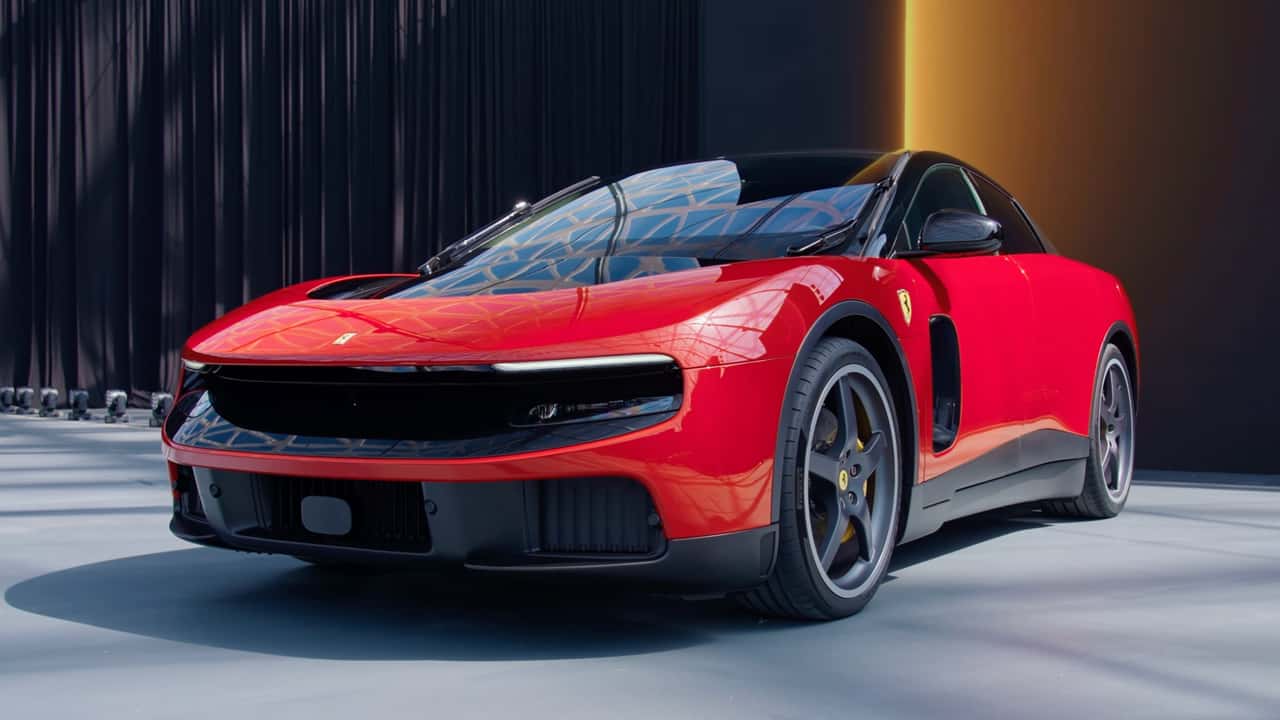
Vigna’s statement on autonomous driving may represent the most important part of Ferrari’s recent communication, because Maranello clearly distances itself from the automatic link between electric propulsion and high-level automation that many carmakers have promoted in recent years. “We will not make fully autonomous cars, I say that loud and clear. We want people to have fun, not processors,” the manager said, positioning the Luce as an electric car but not as a platform designed to remove the driver from the centre of the experience. Vigna then added that Maranello sees Level 3+ as its maximum reference point, leaving room for advanced ADAS systems without moving towards the removal of the steering wheel or the driver’s active role.
The strategic difference compared with players such as Tesla is clear, because Ferrari operates in a market segment where the act of driving itself forms a major part of the product’s perceived value. According to the CEO, the brand intends to keep combustion, hybrid and electric powertrains in its line-up at the same time, allowing customers to choose their preferred technology without forcing a transition and without presenting the Luce as a replacement for Ferrari’s current production identity.
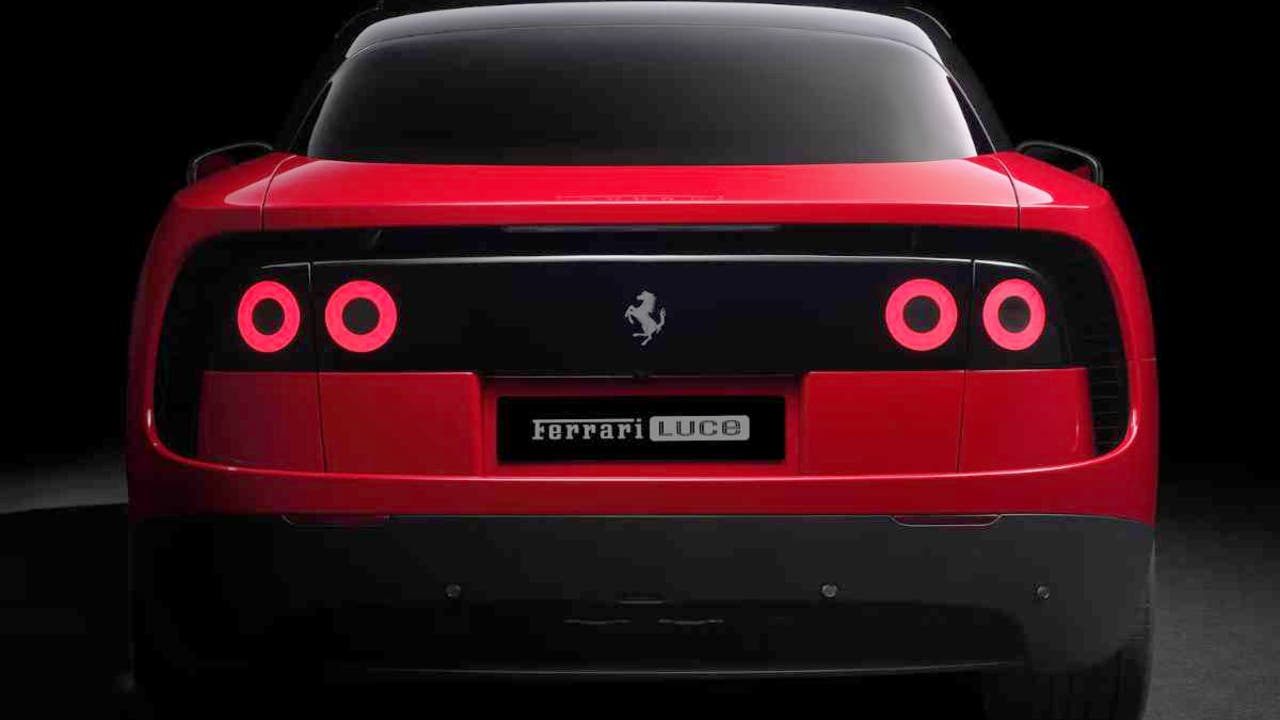
The industrial challenge of the next few years will depend on Maranello’s ability to prove that an electric car can also express true Ferrari character through acceleration, cornering, braking and dialogue with the driver. The design debate may continue for a long time across digital channels, but the final judgement on the Luce may only take shape after the first dynamic tests and the start of sales, when clear benchmarks emerge to place it within the high-end electric car market.