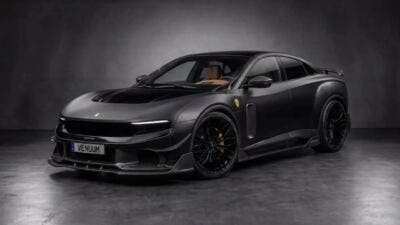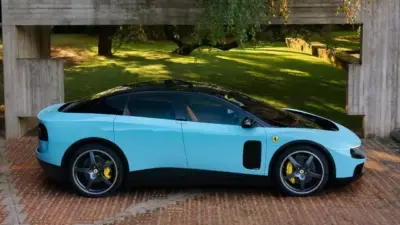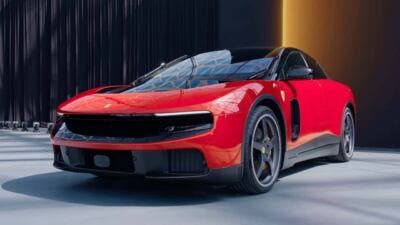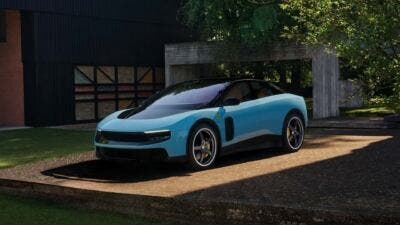
The debate around the design of the Ferrari Luce, Maranello’s first fully electric car, now has a new critical voice. After the public’s doubts and Giorgetto Giugiaro’s opinion, Fabio Filippini, former design director at Pininfarina, has entered the discussion with a harsh judgement that will likely fuel further debate around the project, developed also with input from LoveFrom, the studio founded by Jony Ive.
Former Pininfarina designer criticizes Ferrari Luce: “Static and emotionless”
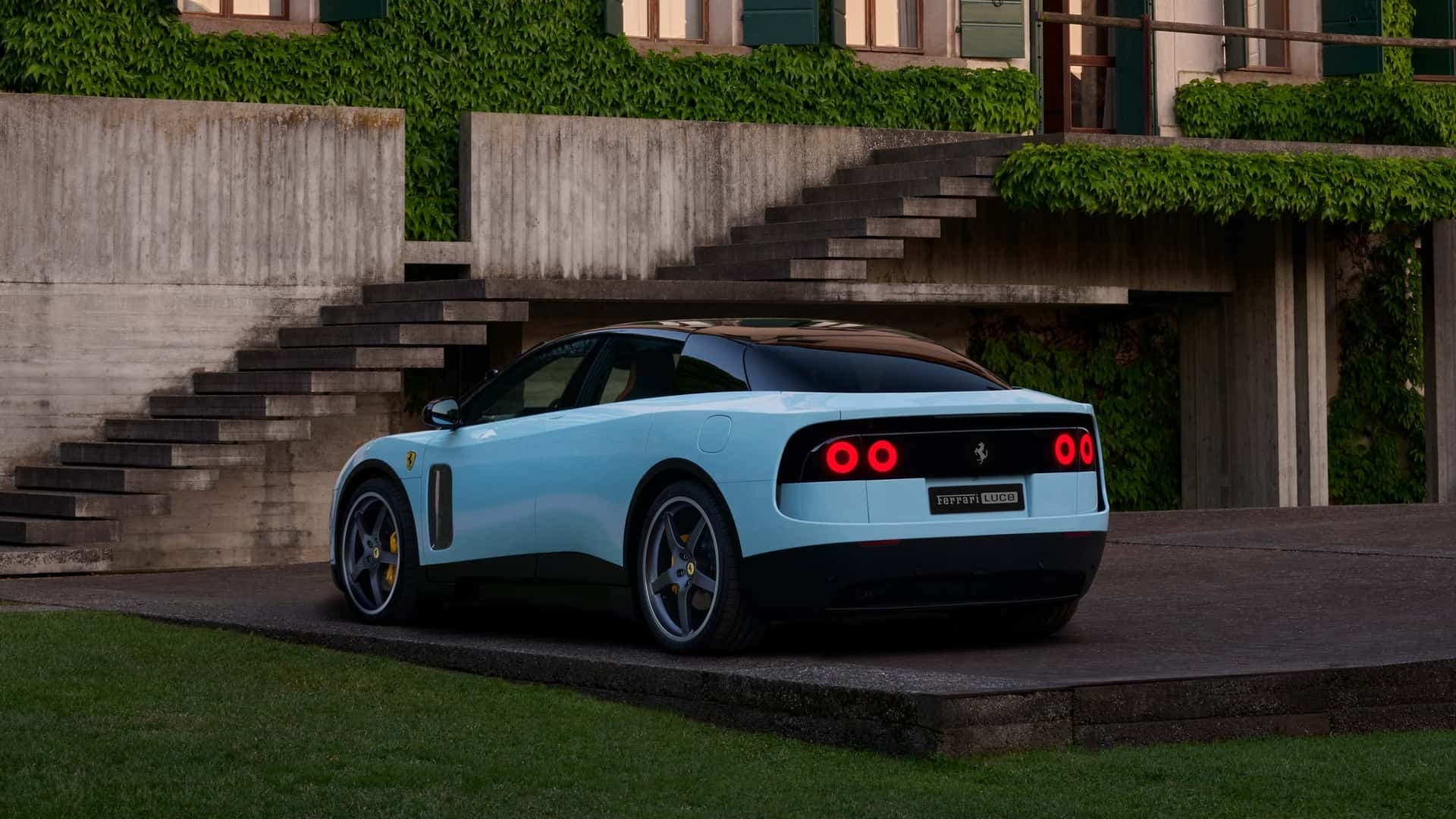
According to the former Pininfarina designer, expectations stood very high, given the scale of the paradigm shift represented by Ferrari’s electric debut. “I was waiting with curiosity. With such a radical paradigm shift, one could have expected something truly revolutionary,” Filippini said, adding that he does not stand alone in his assessment and that “many colleagues think the same way.”
The core of his analysis concerns the car’s formal language. For Filippini, the main weakness lies in the static nature of its shapes, in contrast with Ferrari’s visual tradition, historically built around the idea of movement even when the car stands still. “A car is not a static object, it is an object in motion. And this sensitivity is missing in the Luce,” the designer observed, recalling how surfaces, proportions and the way light moves across the body should communicate speed, tension and direction.
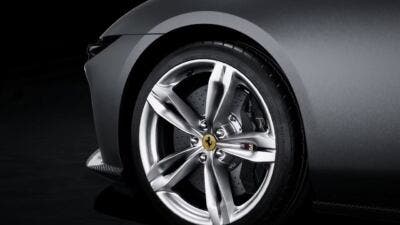
Filippini links part of the aesthetic limitations to the functional constraints imposed by the battery platform, with five seats, a battery integrated into the floor and dimensions close to five metres in length, two metres in width and around 1.6 metres in height. According to him, these figures bring the Luce close to the typical volumes of D-segment electric SUVs. The choice of 24-inch wheels would help compensate visually for the perceived mass, but it would not solve the basic issue. “The proportions remain awkward,” the designer said.
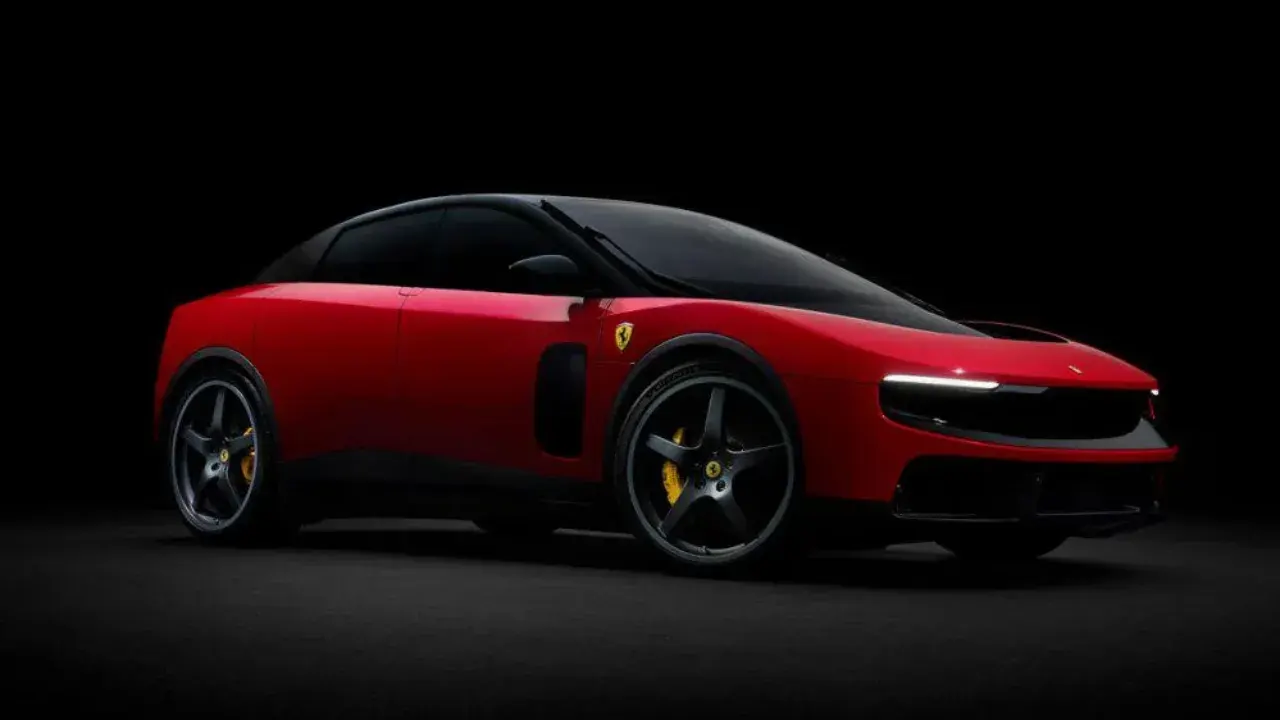
His judgement becomes just as severe when he turns to the surfaces, which he describes as “soft” and “not decisive enough.” Filippini separates formal simplicity from banality, noting that a clean body can still feel dynamic when the design manages tension and rhythm changes with awareness. In the Luce, however, those elements appear too regular and predictable.
The final summary of his view condenses the entire criticism into one particularly heavy sentence, especially when aimed at a brand built on passion and emotional involvement. “It is a static object without soul, without emotion,” he concluded.
The Luce therefore remains a model destined to keep people talking for a long time. Ferrari sees it as a deliberate break from its formal tradition, while part of the design world considers it a missed opportunity, or at least one not fully exploited.