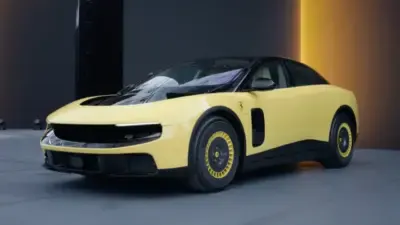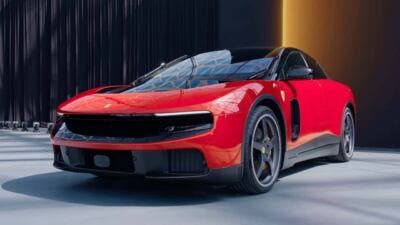
Maranello’s first electric car is dividing opinion like few recent Ferrari models, and the debate does not only concern its battery-powered drivetrain. The design has become the real talking point, with unusual shapes, proportions far removed from traditional Ferrari models and a stylistic language that clearly breaks with the past. The debate has already become intense, even before the Luce truly reaches the road.
Ferrari Luce divides Europe, but China may see it differently
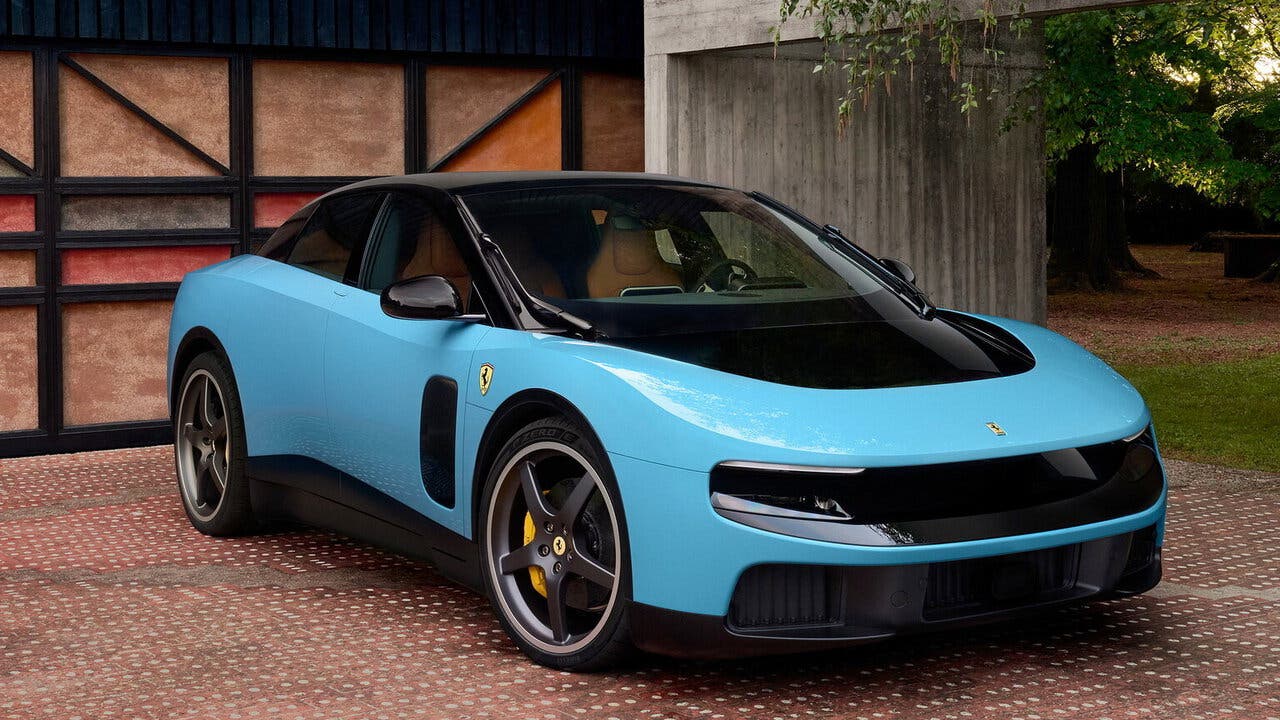
The harshest criticism comes from Europe. Some enthusiasts argue that the Luce does not convey enough sportiness, while others believe it moves too far away from the image Ferrari built over decades of coupés, berlinettas and grand tourers with instantly recognizable character. Luca Cordero di Montezemolo also joined the debate with a severe judgement, even suggesting, in substance, that “Ferrari should remove the Prancing Horse from the model”. His position helps explain the current mood, because part of the public is not rejecting electric power alone, but the very idea that a Ferrari can change so deeply.
China offers an almost opposite reading, voiced by Jiri Opletal, writer at Car News China, who defended Maranello’s decision by starting from a phrase used during the presentation: the Luce targets customers who already own an electric car. That detail matters, because it redraws the target buyer.
Ferrari is not necessarily speaking to the most traditional enthusiast here, but to a new, wealthy, international customer who already knows electric cars and feels less attached to the brand’s mechanical memory. According to Opletal, the consistency of Ferrari’s decision lies precisely in its refusal to disguise an old-style Ferrari as an electric car. Instead, Maranello created a dedicated model, separate from the logic of combustion-engined sports cars. This vision may look risky in Europe, but in China, where technology often matters more than nostalgia, it could make much more sense.
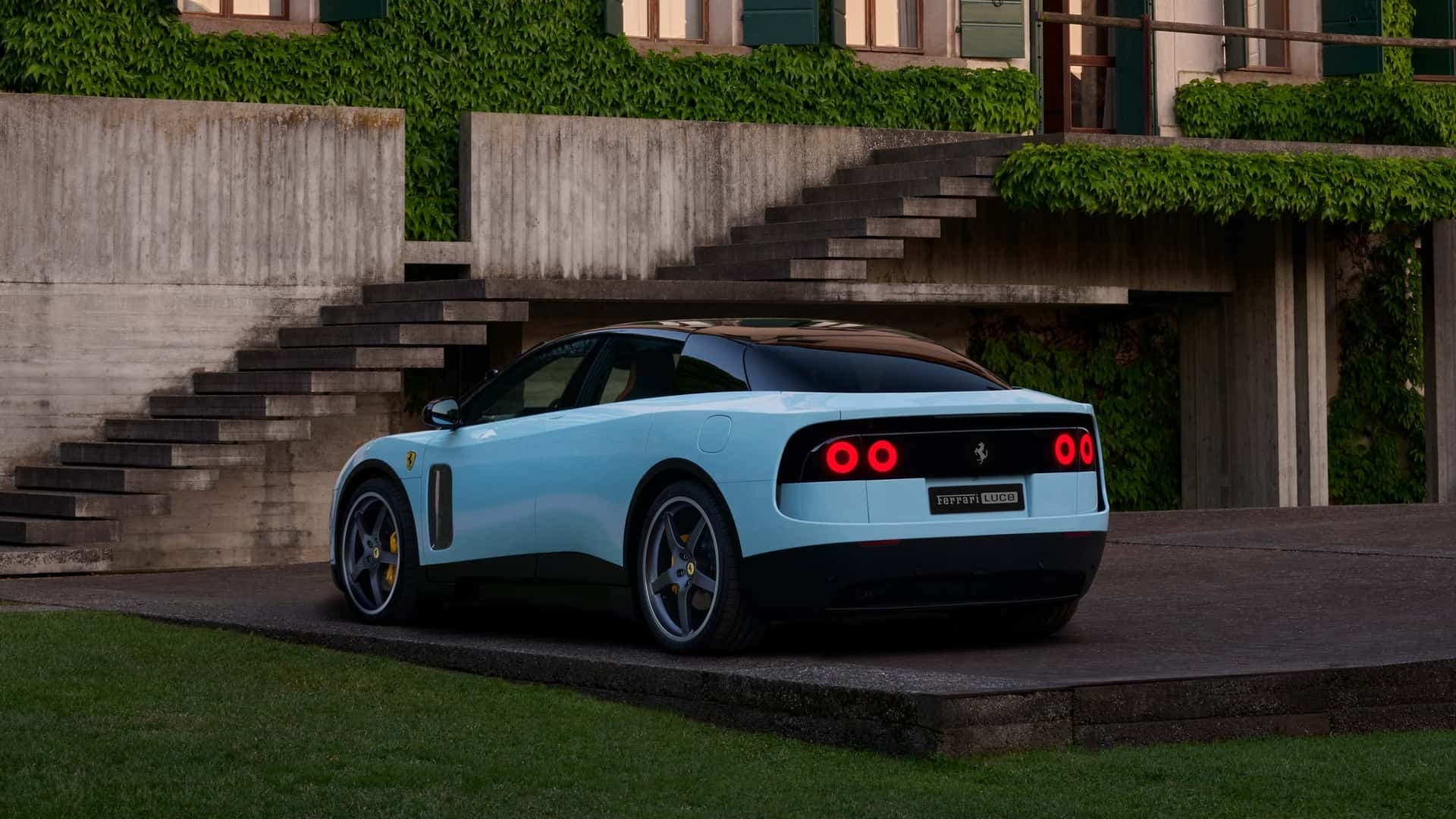
Flavio Manzoni, Ferrari’s head of design, also explained the meaning behind the project. He pointed out that today’s car industry appears dominated by nostalgia, with many brands trying to recover design cues from the past instead of imagining new shapes. For Manzoni, an electric car should communicate solidity, purity and surface continuity. That thinking led to the soft lines, compact volumes, more covered wheels and almost monolithic appearance that surprised many observers.
The problem remains the weight of the Ferrari badge. Every deviation from the brand’s historic design language faces enormous scrutiny. A similar car launched under another logo might have looked like a futuristic exercise, but with the Prancing Horse on the bonnet, it immediately becomes a question of identity.
At this point, the real test could come from China, one of the world’s most advanced electric car markets, where customers already expect technology, screens, software, fast charging and unconventional design. Opletal himself argued quite directly that the fate of the Luce could depend more on wealthy Chinese buyers than on current Ferrari owners.