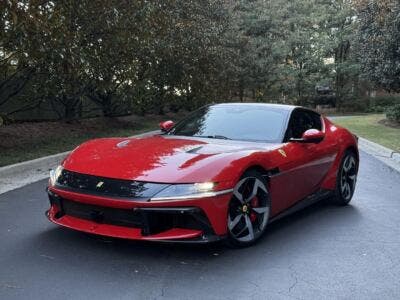
Ferrari continues to move against the broader trend of the global automotive industry. The Maranello brand closed 2025 with net profit of €1.6 billion (about $1.73 billion), up 5% year over year, and confirmed a level of financial strength rarely seen in the sector. Revenue followed the same positive path and reached €7.1 billion (around $7.66 billion), a 7% increase compared with the previous year. These figures match expectations and once again highlight the company’s ability to generate value in a complex macroeconomic environment.
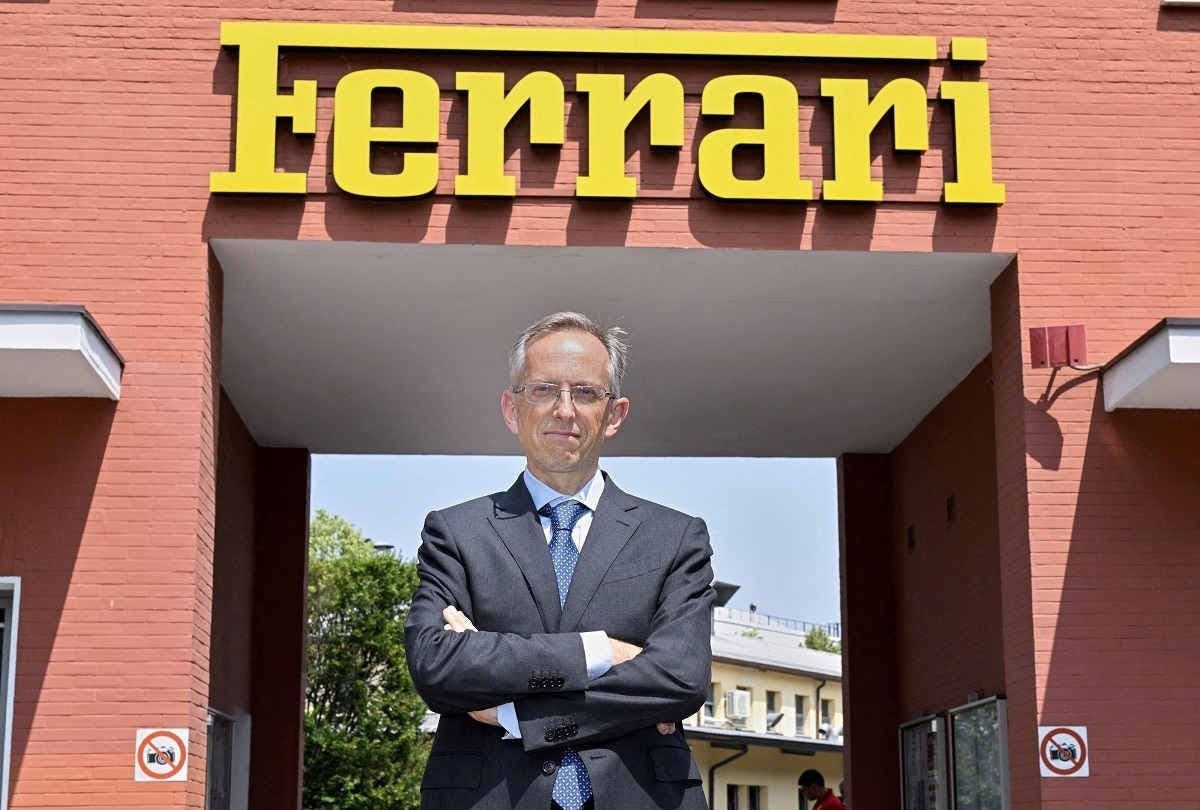
The most significant element concerns volume dynamics. Ferrari delivered 13,640 cars in 2025, slightly below the 13,752 units recorded in 2024. This small decline reflects the brand’s industrial philosophy. Growth does not rely on higher sales volume but on higher value per car. The controlled-volume strategy, reaffirmed by CEO Benedetto Vigna, continues to support strong margins, helped by increasingly sophisticated personalization that raises the average price per vehicle.
Ferrari grows profit in 2025 despite lower deliveries
A closer look at the results shows a mild slowdown in the final quarter. Between October and December, net profit reached €381 million (about $411 million), down 1% year over year and slightly below market expectations. The change remains limited and does not alter the broader picture, yet it introduces some questions about year-end momentum. It remains unclear whether this reflects a temporary fluctuation or the first sign of softer demand in the luxury sports car segment.
At present, internal indicators still point to a very solid outlook. The order book extends through the end of 2027, which signals stable demand and strong brand desirability and pricing power. Within this context, Ferrari looks ahead with confidence while preparing one of the most delicate transitions in its recent history.
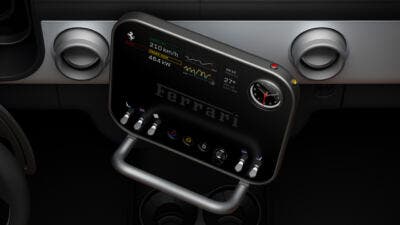
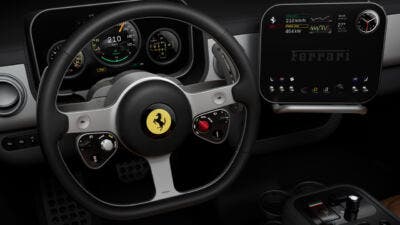
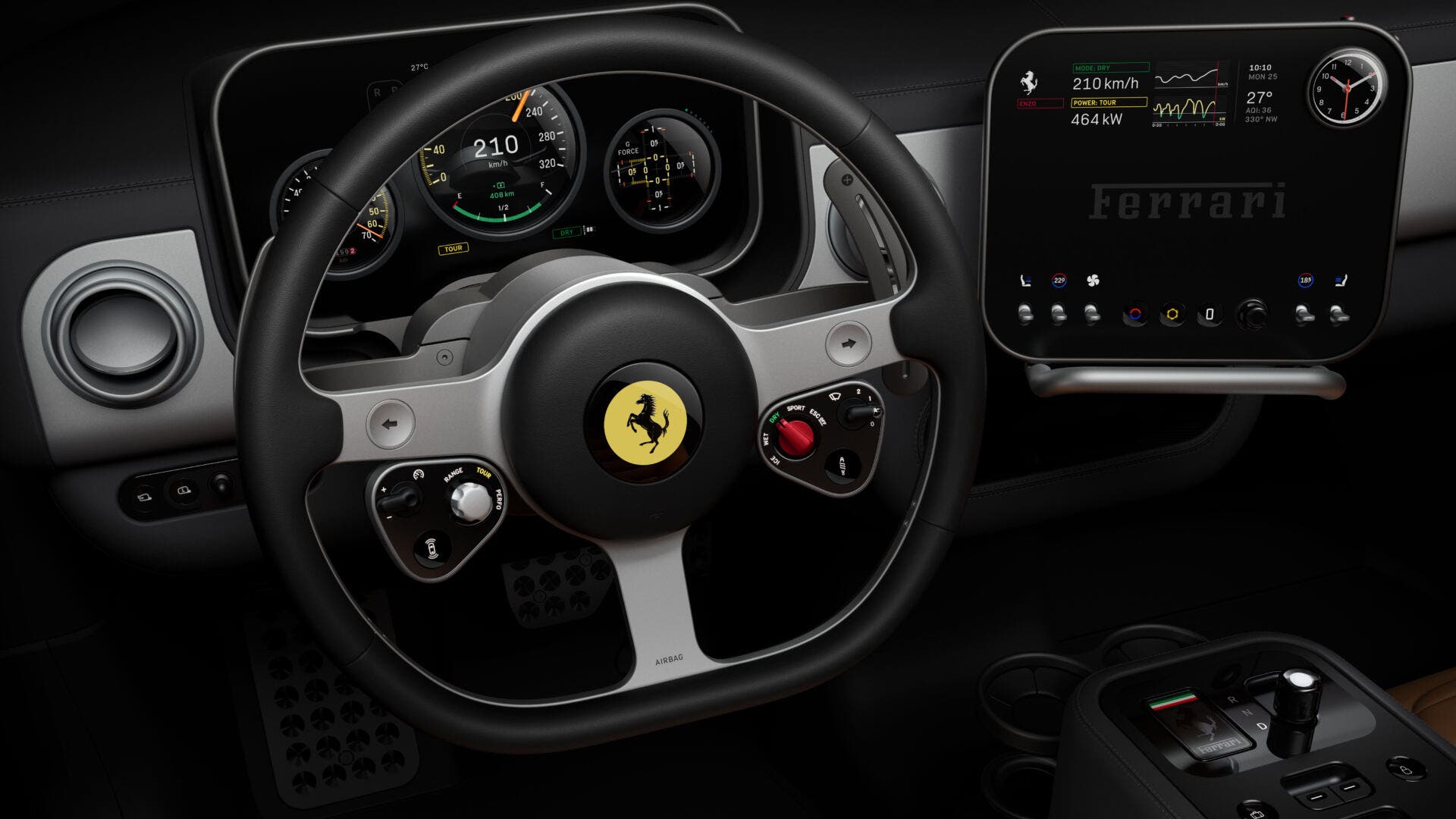
The next strategic step concerns electrification. The Maranello company has previewed its first fully electric car, named Luce, with full presentation scheduled for May. For now, the brand has shown only the cabin, developed in collaboration with designer Jony Ive, known for his work in the technology sector. This choice highlights Ferrari’s intent to combine sporting tradition with digital innovation and potentially attract a younger and more tech-oriented audience.
Financial markets reacted positively to the results. Ferrari shares recorded a notable increase and recovered part of the uncertainty seen in previous months. Looking forward, the group targets average annual growth of 5% through 2030 and aims to reach about €7.5 billion (around $8.1 billion) in revenue as early as 2026, confirming a development path built on exclusivity, innovation and profitability.