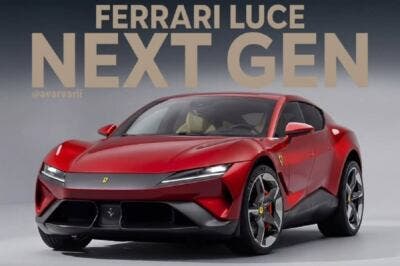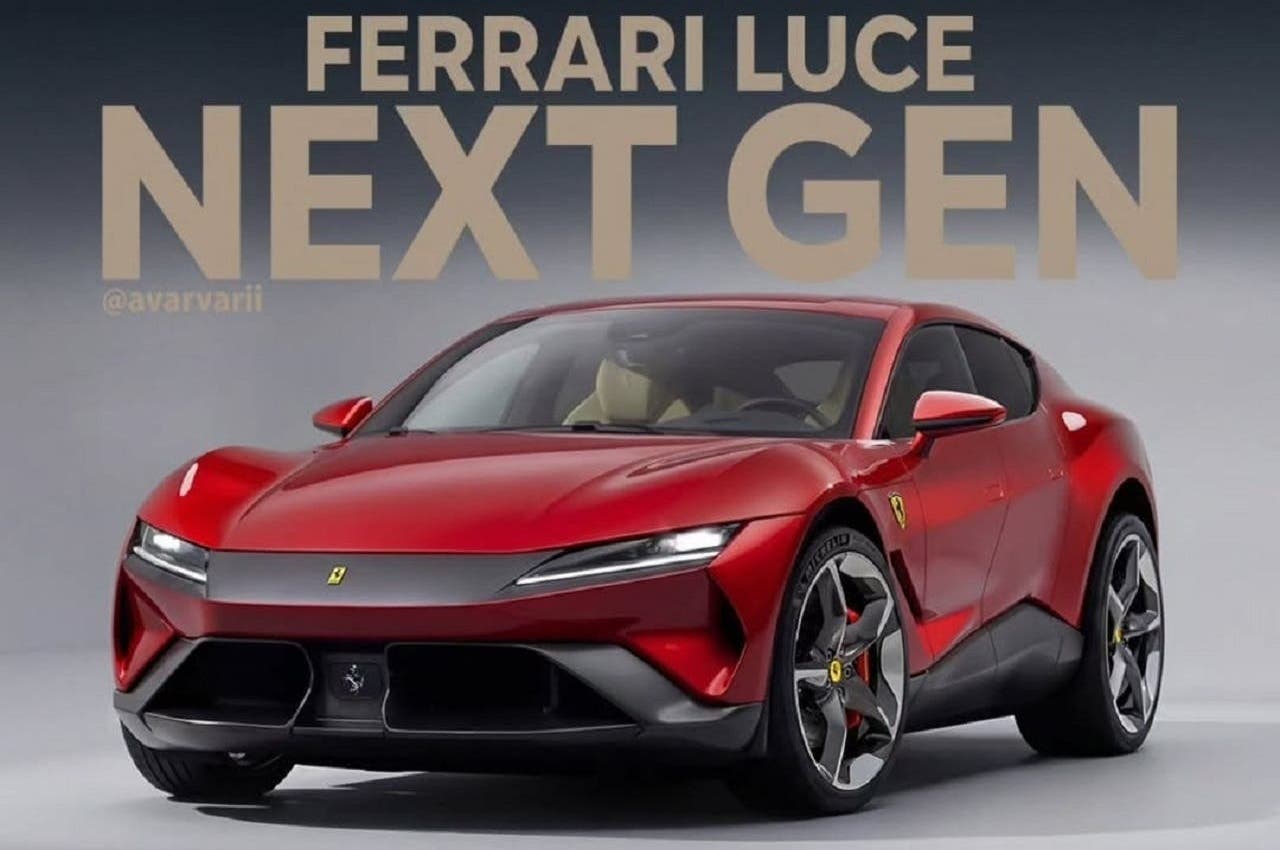
Ferrari has worked with NASA to study how humans perceive acceleration and to identify the point at which the thrust of an electric car stops feeling pleasant and starts becoming annoying. CEO Benedetto Vigna explained this in a recent interview, placing the research within a broader effort focused on the dynamic behavior of the future Luce, Ferrari’s first series-production EV, expected in 2026 after a technology presentation scheduled for October 9, 2025.
Ferrari worked with NASA on one key issue for the new Luce
According to Vigna, one principle guides the project above all. The immediate response typical of battery-electric powertrains can become a drawback when it feels too linear or too abrupt, because the driver ends up reading it as unnatural rather than engaging.
Longitudinal acceleration represents only one of the aspects on which Maranello is working to set its EV apart from the rest of the market. Vigna also pointed to cornering behavior, braking, torque management, and sound as central elements of the project, with sound perhaps standing as the most delicate issue when talking about a Ferrari without a combustion engine.
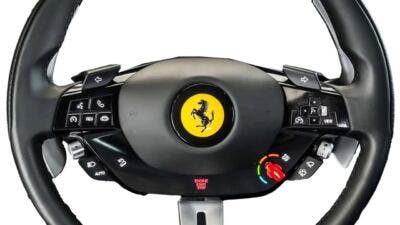
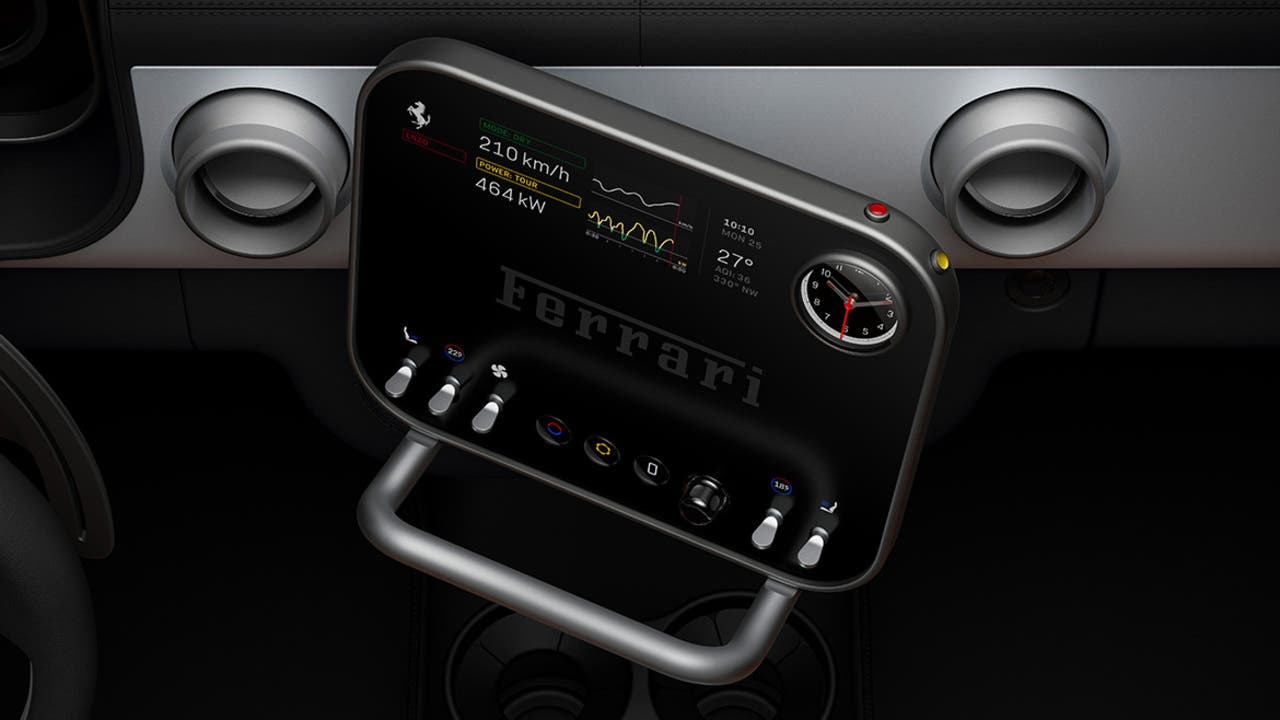
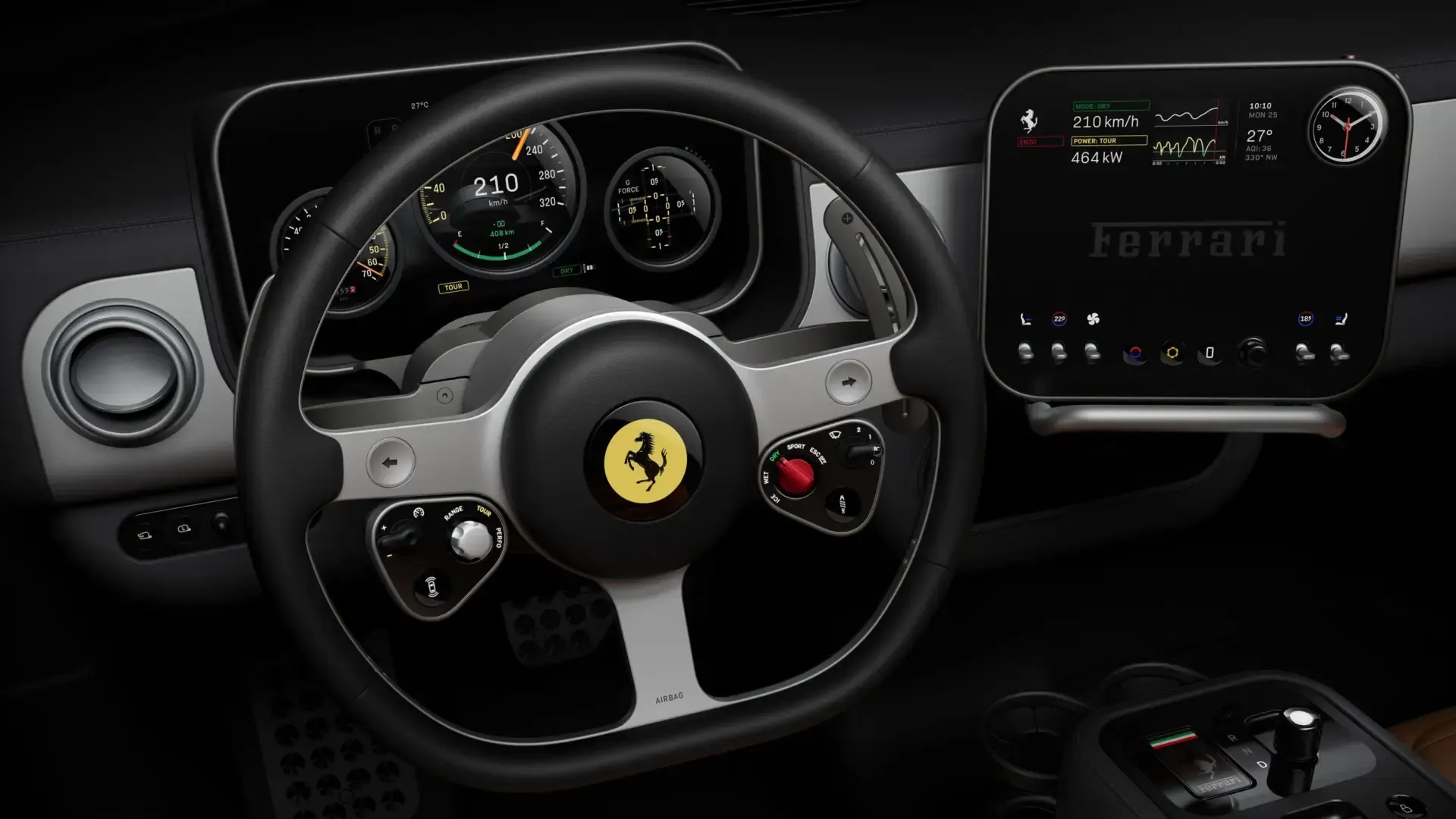
The brand does not want to reproduce artificially the sound of a V8 or V12. Instead, Ferrari wants to highlight the natural sound of the electric powertrain by working on the frequencies so they do not become unpleasant and by turning them into a recognizable part of the onboard experience. The interior images seen so far show steering-wheel paddles which, according to what has emerged, will not manage regenerative braking but will instead adjust torque delivery, suggesting a desire to make interaction with the car more active and, at least in terms of feeling, closer to that of a traditional transmission.
On the technical side, Vigna spoke of a range greater than 311 miles, therefore more than 500 kilometers, while also making clear that this first electric Ferrari will not target track use. That indication reflects the limits Ferrari still sees in battery technology when it comes to extreme and prolonged use. It is a cautious choice that fits Vigna’s stated approach, one focused more on creating a driving experience that feels credible by Ferrari standards than on chasing absolute performance or solutions that could prove premature given the current maturity of the technology.