When Ferrari unveiled the F80 just over a year ago, the public reaction was anything but predictable. What surprised people was not only the car itself, but above all the decision to rely on a V6 engine for the heir to the LaFerrari. This choice came shortly after Ferrari had reaffirmed the strategic importance of the V12, still featured in models such as the new 12Cilindri and the Purosangue SUV.
Ferrari explains why the F80’s V6 is considered superior to the V12
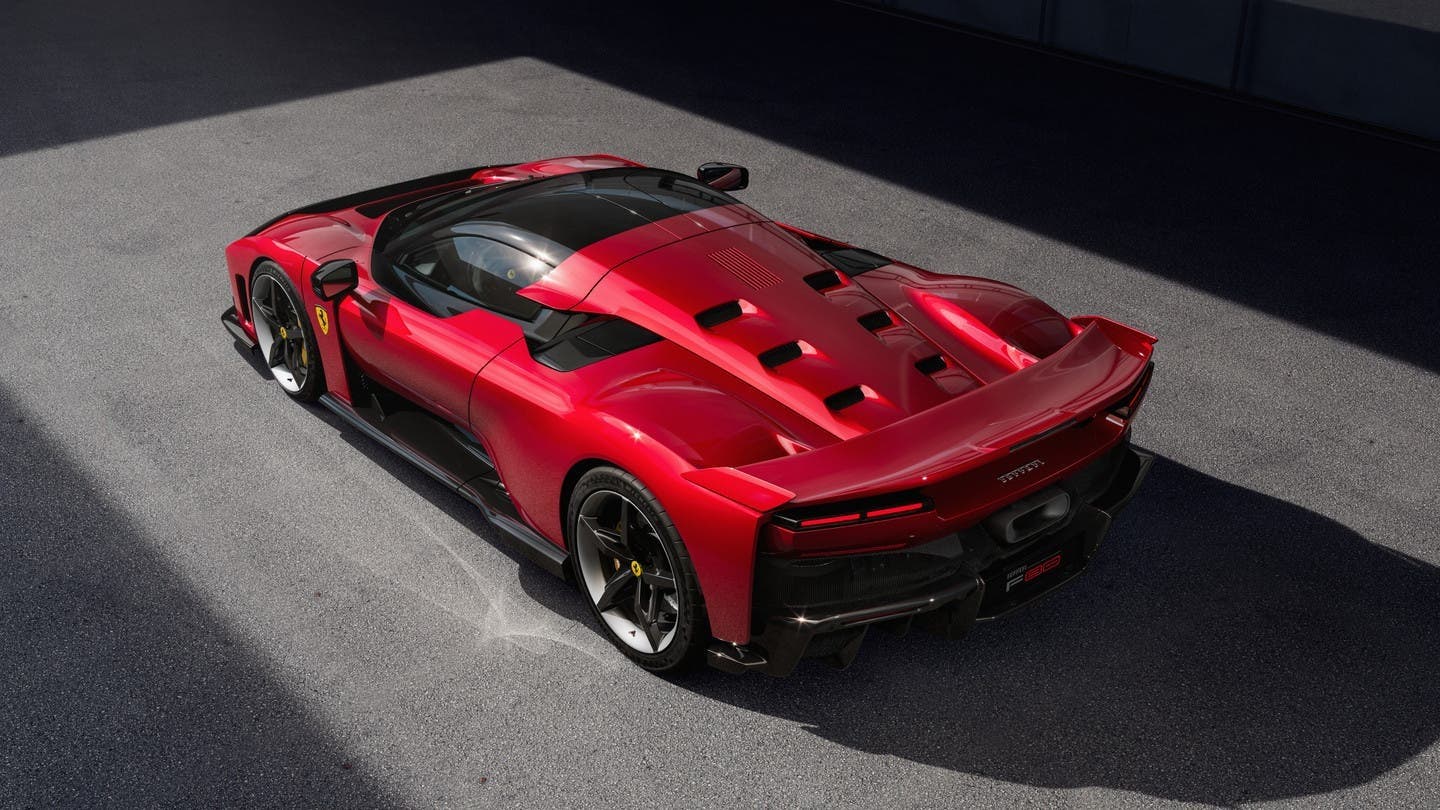
The shift to an architecture with half the cylinders compared to the traditional twelve sparked an intense debate among purists of the Prancing Horse, historically tied to large naturally aspirated engines. Yet in Maranello the decision was anything but improvised. During a technical workshop held on November 19 at the Enzo Ferrari Museum in Modena, the company’s engineers подробно illustrated the development path of the F80, explaining why the balance between racing technology and absolute performance inevitably led to the hybrid twin-turbo V6.
Ferrari also evaluated the option of retaining a naturally aspirated V12, but technical analysis quickly pushed development in a different direction. This was explained by Matteo Turconi, Senior Product Marketing Manager, who stressed that the key question was simple: stick with the historic icon or transfer into the new hypercar what today represents the pinnacle of racing engineering. “We chose the second option,” he said. That meant taking the best from motorsport, today represented by a turbocharged V6 paired with a high-performance hybrid system.
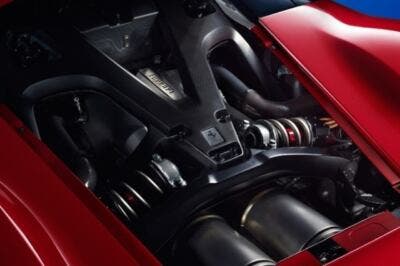
According to Ferrari, this engine is not a downgrade but a step forward compared to the V12 used in the Purosangue and 12Cilindri. The 3.0-liter unit, derived directly from the 499P endurance hypercar, boasts an impressive power density of 300 hp per liter. But it is not just about horsepower: the more compact dimensions of the V6 allow for a shorter wheelbase, lower mass and improved overall balance, with immediate benefits for dynamic performance.
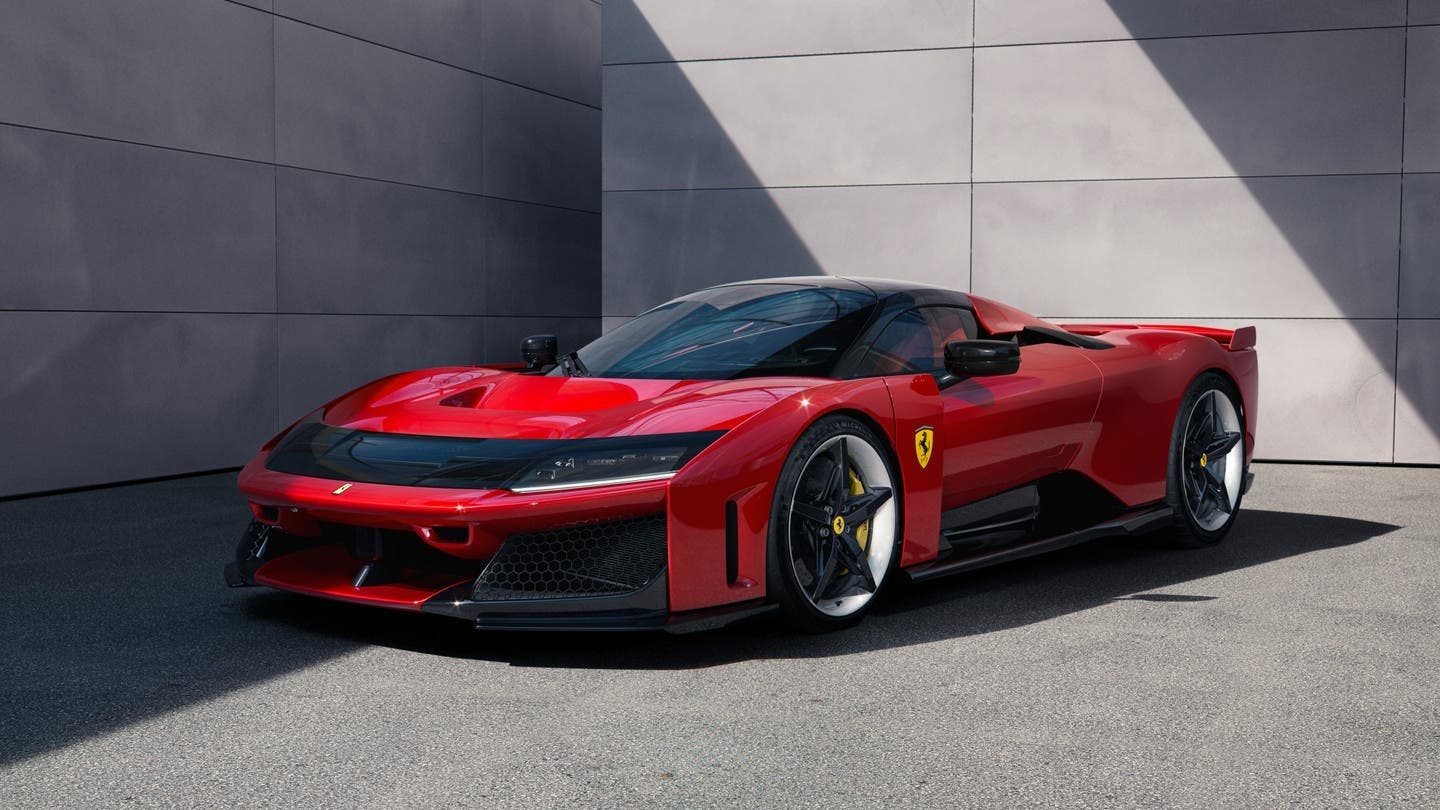
Inside Ferrari, this V6 is almost paradoxically nicknamed “the big engine,” as explained by Paolo Valenti, Product Line Team Leader for pilot projects. The reduced packaging has also allowed engineers to push aerodynamic development even further: the rear diffuser can extend to 1.8 meters, significantly improving the overall efficiency of the package.
Despite breaking with twelve-cylinder tradition, the F80 has in no way dampened collector enthusiasm. On the contrary, all 799 planned units are already sold out. This is a clear sign that Ferrari’s appeal remains intact even when it embraces bold technical choices. The Maranello manufacturer has also reiterated that combustion engines will remain central for a long time, with V6, V8 and V12 powertrains set to coexist with hybrid systems and future electric models within the lineup by the end of the decade.