Alejandro Agag, founder and Chairman of Formula E, has revived the idea of Ferrari entering the electric championship, arguing that after the debut of the Luce, such a scenario can no longer be considered a utopia.
There is no official announcement and no confirmed negotiation from Maranello, but the reasoning rests on a new element that is hard to ignore: Ferrari has developed its own high-performance electric technology internally, rather than simply buying ready-made components from external suppliers.
Could Ferrari enter Formula E? Luce makes the idea less impossible
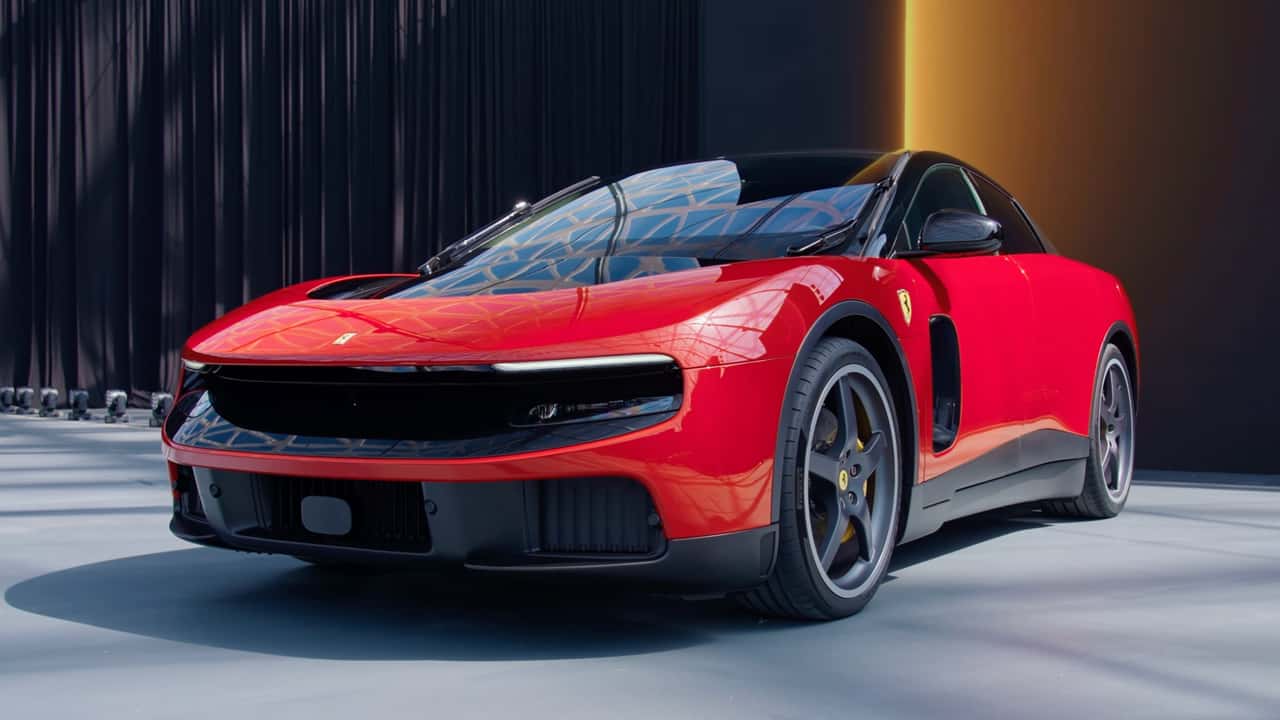
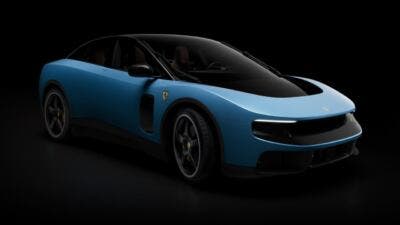
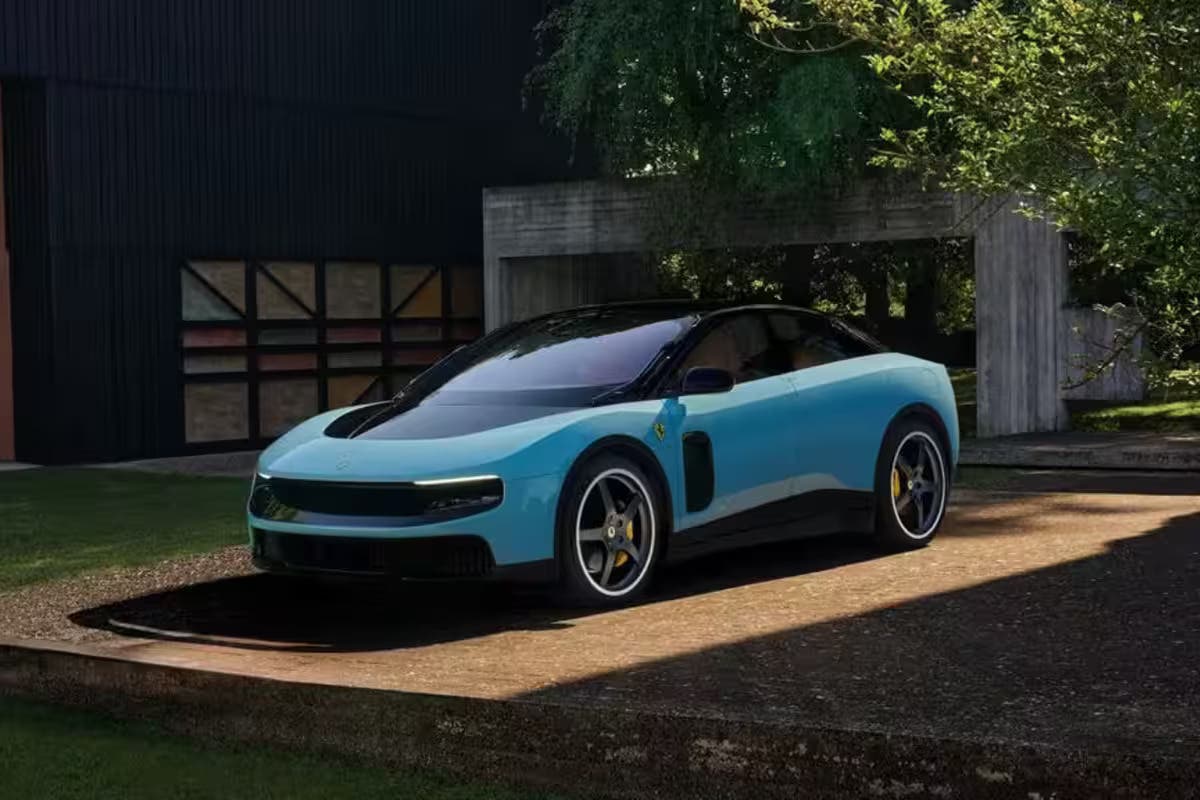
In this sense, the Luce represents the concrete fact that changes the terms of the discussion. With four electric motors delivering more than 1,000 hp, a 122 kWh battery and a declared range of over 500 km, the Luce is an industrial and technological project that cannot be reduced to an image exercise. Motors, battery pack and electrical architecture were developed inside Maranello’s new E-Building, signalling the brand’s intention to directly control the strategic elements of its technological transition. This industrial base makes the Formula E hypothesis less abstract than it was when Ferrari had no proprietary expertise in the electric field.
Maranello’s industrial plan states that by 2030, its range will consist of 20% fully electric models, 40% hybrids and 40% combustion cars. This strategy of coexistence between different technologies would leave room for a possible electric racing programme without implying any withdrawal from Formula 1 or the WEC.
For Formula E, Ferrari’s arrival would carry enormous symbolic weight in terms of legitimising the category. For Maranello, the championship could work as a laboratory dedicated to the development of electric mobility in a competitive environment.
However, two significant obstacles remain. The first is technical and concerns the margins for differentiation available in Formula E, where the regulations limit the freedom to develop technology. For Ferrari, this has always been a key requirement when choosing the racing categories in which to compete.
The second obstacle is cultural, and perhaps even more important. For a large part of the Prancing Horse’s fan base, an electric single-seater carrying the Ferrari logo would represent a deep break with an identity built around sound, vibrations and mechanical ritual. The Luce has already challenged some of these boundaries, but bringing the same principle to the track would amplify the tension between tradition and innovation.
Ferrari’s entry into Formula E does not appear imminent and, for now, remains a suggestion fuelled from outside rather than a declared project. However, the technological basis that would make it plausible now exists. After the Luce, the question has shifted from whether Ferrari would be capable of doing it to whether Ferrari will consider it strategically useful.