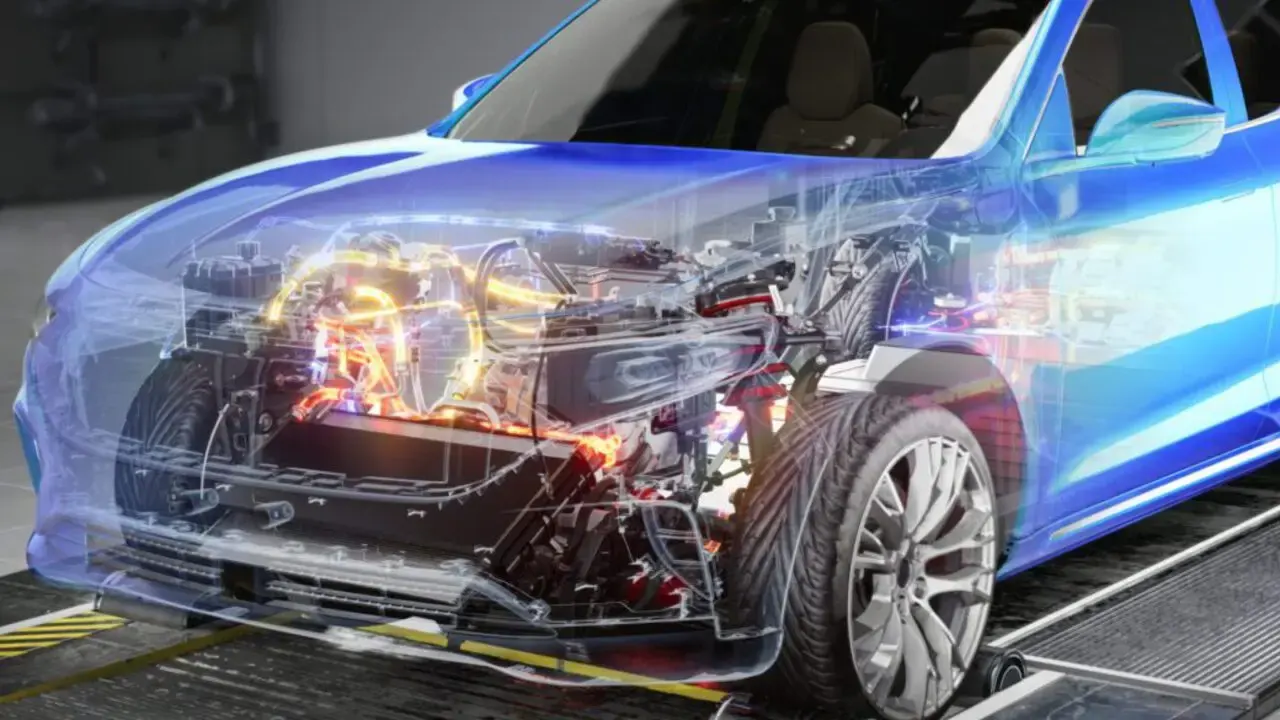
True revolutions don’t always wear aggressive carbon-fiber splitters or boast terrifying, track-ready horsepower figures. Sometimes, they hide in the deep, greasy shadows beneath the chassis, completely invisible to the wealthy buyers. Welcome to the thrilling world of electrical wiring harnesses, the automotive equivalent of household plumbing, which has suddenly become the industry’s most desperate, high-stakes battleground.
For decades, copper was the sacred, untouchable king of automotive conductivity. But today, executive suites are panicking as the global thirst for copper skyrockets, fueled not just by the clean-energy transition, but by power grids and the massive, AI-feeding data centers that keep the modern world spinning. Faced with building cars that are basically rolling smartphones suffocating under a mountain of sensors, batteries, and autonomous driving modules, traditional automakers have realized they can no longer afford to ignore raw material invoices.
Enter the ultimate corporate pivot: dumping copper for aluminum. According to data reported by Reuters, legacy giants like Ferrari and BMW are eagerly swallowing their pride to follow an unpaved path blazed by Tesla and aggressive Chinese manufacturers.
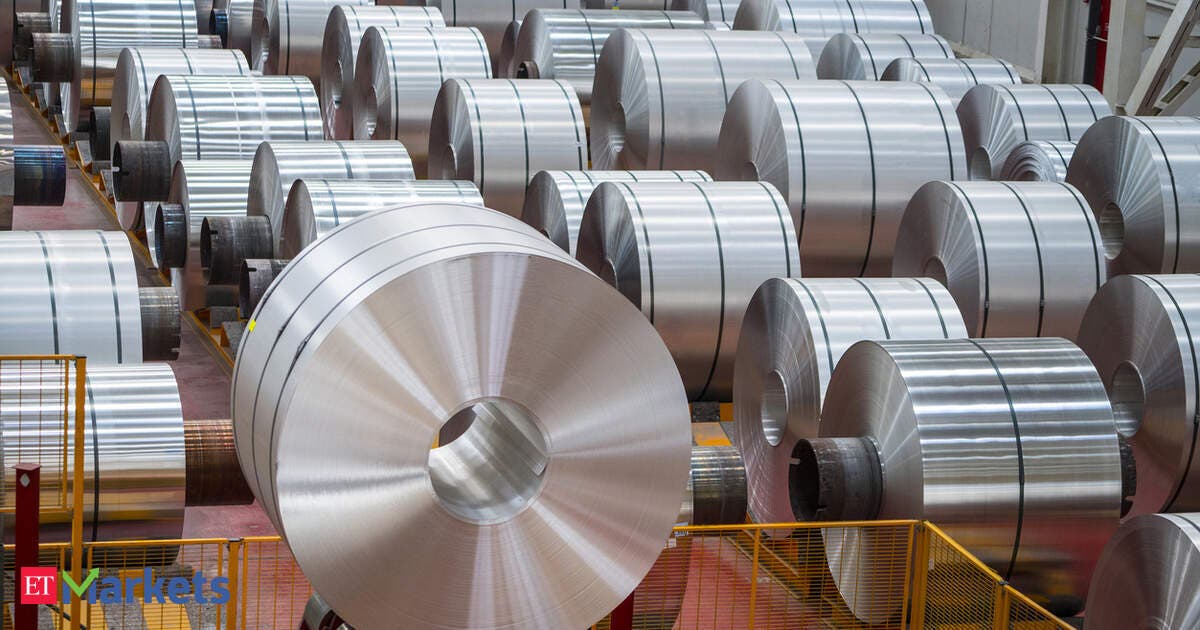
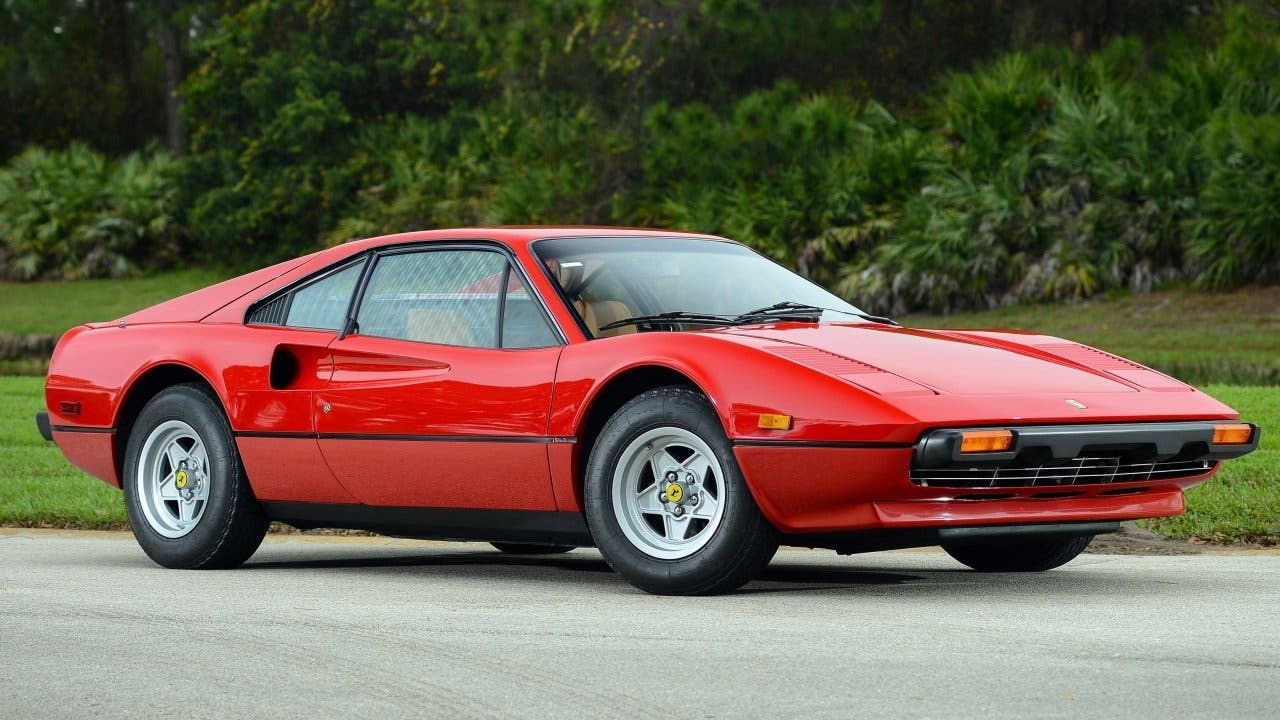
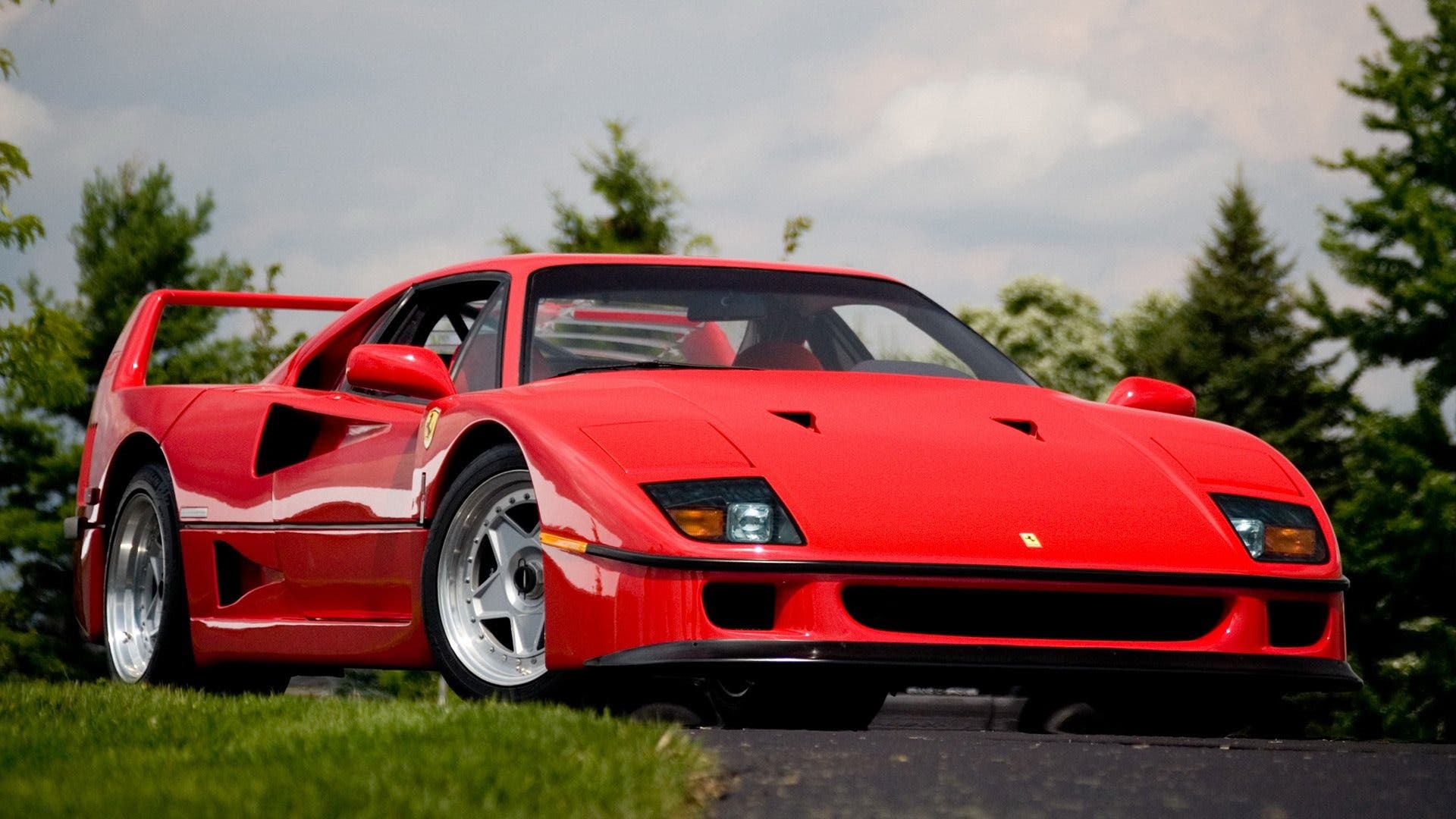
By swapping materials, brands can protect their shrinking margins while shaving off crucial pounds. At Maranello, where weight is treated with the kind of religious fanaticism usually reserved for liturgical texts, every single gram impacts track performance and steering precision.
While Ferrari has long crafted bodies and structural platforms out of aluminum, they finally let the accountants loose on the delicate electrical architecture. The 296 series became the official corporate guinea pig in 2025. According to Dario Esposito, Ferrari’s head of communications, re-engineering the cable cross-sections achieved a massive 15% to 20% weight reduction on the wiring itself.
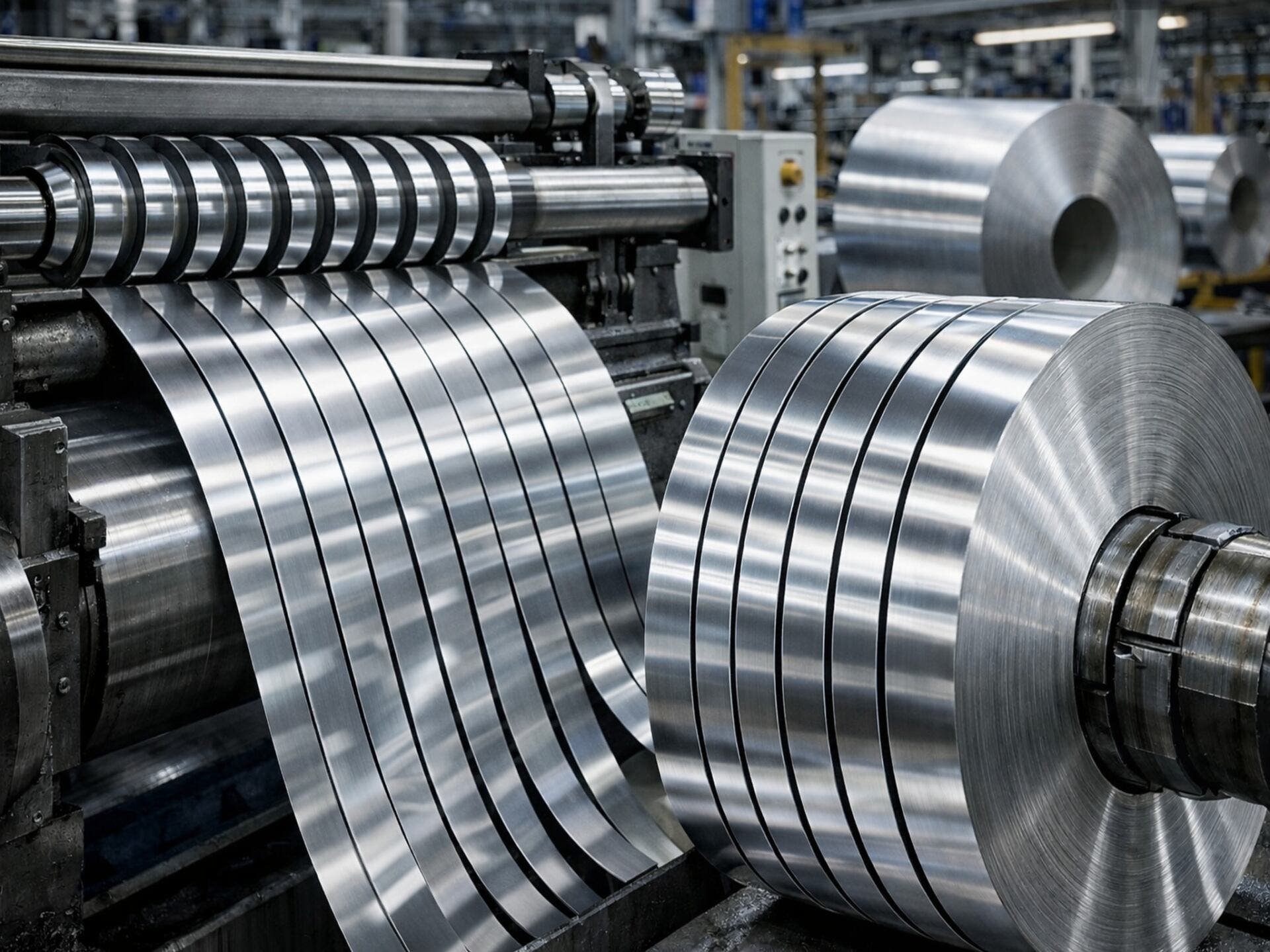
Meanwhile, BMW has been quietly pulling this exact stunt since 2011 on the humbler 1 Series, gradually creeping the technology into plug-in hybrids, and now embedding it into the sixth-generation eDrive platforms destined for future electric models.
Tesla naturally joined the cost-cutting party with the 2019 Model Y and that rolling piece of stainless-steel origami called the Cybertruck, while Chinese automakers used it to mercilessly undercut Western pricing. Sure, aluminum isn’t a flawless miracle, it only possesses about 61% of copper’s conductivity, meaning engineers must pack thicker, fatter cables into tightly congested packaging already crowded by cooling systems and control units. But since aluminum is 3.3 times lighter than copper, the physical and financial weight savings are simply too juicy for corporate balance sheets to pass up.