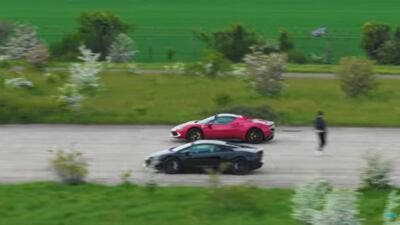
The YouTube channel carwow has compared two of the most talked-about Italian hybrid sports cars of the moment, organizing a series of acceleration tests on an airport runway between the Ferrari 296 GTB and the new Lamborghini Temerario. The programme included the classic standing-start quarter-mile and half-mile drag races, along with a rolling race and a braking test. This format only tells part of the story for cars of this level, which express their full potential mainly on circuits and winding roads, but it still offers an immediate snapshot of two very different technical philosophies.
Ferrari 296 GTB challenges Lamborghini Temerario in new drag race
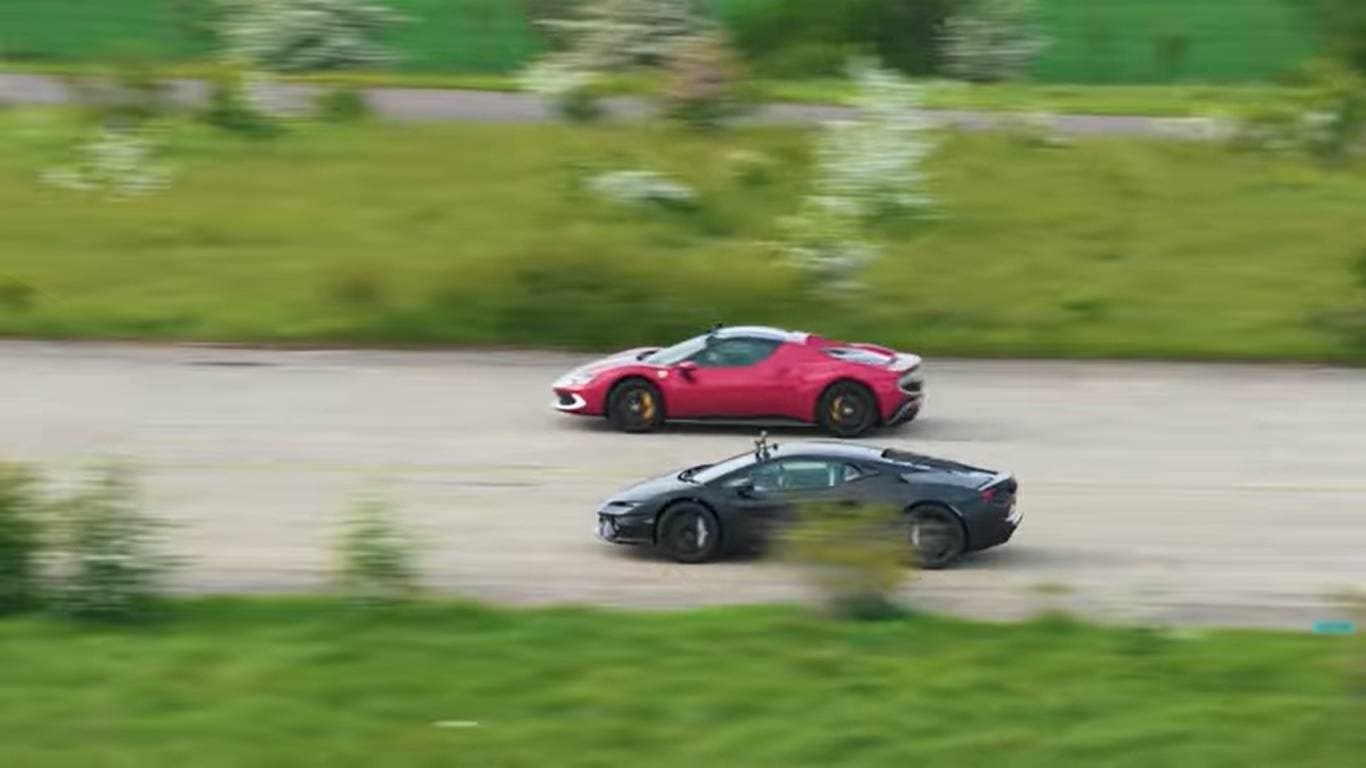
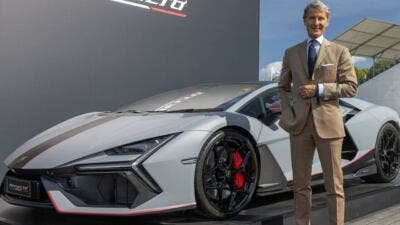
The Lamborghini Temerario, which could “lend” its engine to the new Audi R8, takes the place of the Huracán and opens the brand’s new hybrid era with a particularly ambitious plug-in powertrain. At the heart of the project sits a 4.0-litre twin-turbo V8 developed in-house, capable of producing 800 hp on its own and revving up to 10,000 rpm, an unusual limit for a modern turbocharged eight-cylinder engine. Three electric motors work alongside it, bringing total system output to 920 hp and 730 Nm of torque. The car uses all-wheel drive and weighs 1,690 kg, a higher figure than its Maranello rival, but the ability to send torque to all four wheels gives it a clear advantage during hard launches.
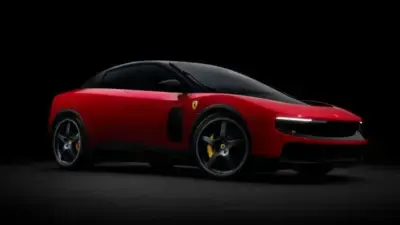
The Ferrari 296 GTB follows the opposite route. Maranello’s berlinetta also uses a plug-in hybrid architecture, but it replaces the eight-cylinder engine with a 3.0-litre twin-turbo V6 paired with an electric motor integrated into the gearbox. The six-cylinder engine produces 663 hp on its own, an extremely high figure for its displacement and one of the highest specific outputs ever achieved by a Ferrari engine. The electric component adds another 167 hp. Total output reaches 830 hp at 8,000 rpm, with 740 Nm of torque. That leaves the Temerario with a 90 hp advantage, which Ferrari tries to offset with a dry weight of 1,470 kg and a rear-wheel-drive layout, long one of Maranello’s defining traits.
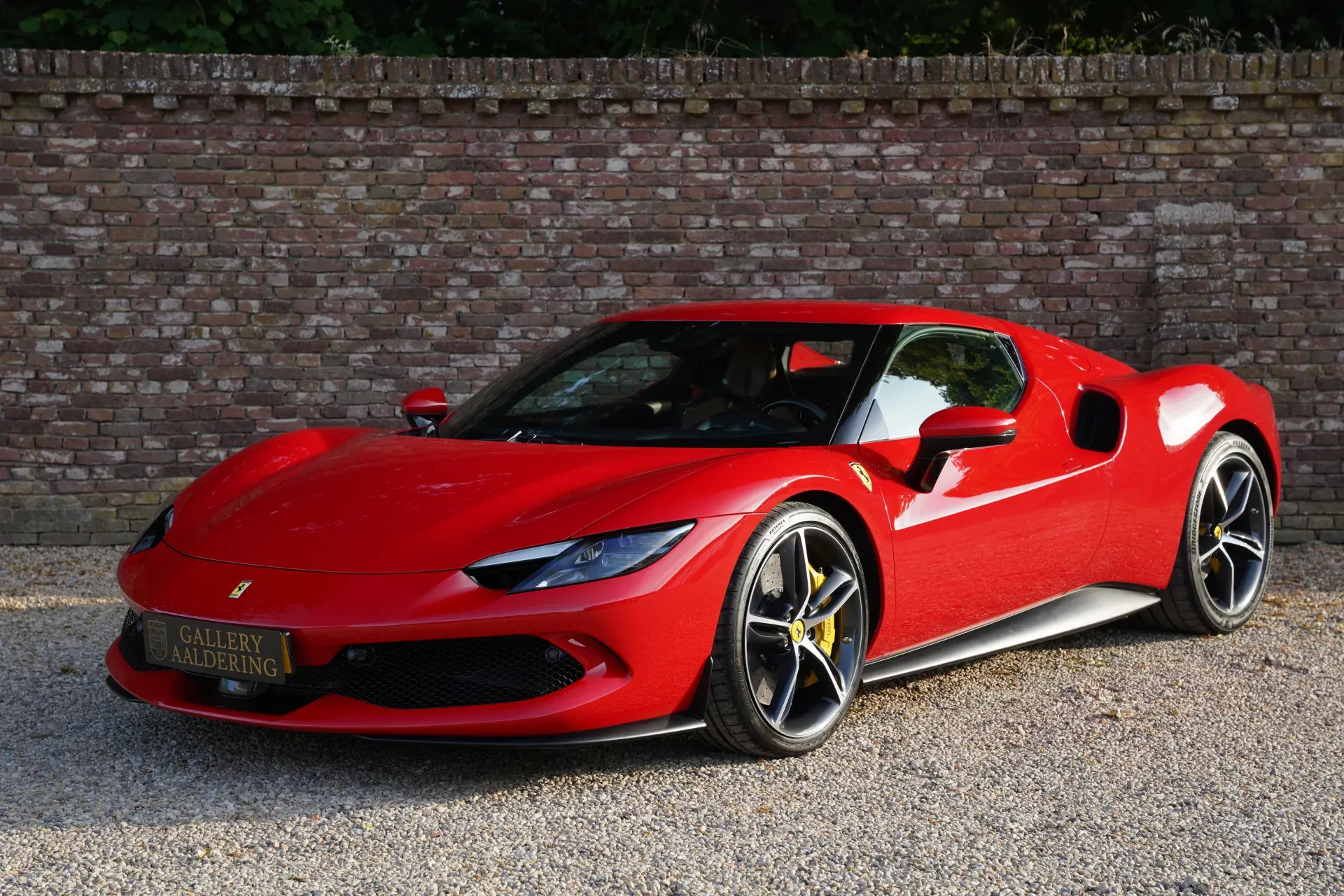
The straight-line comparison therefore becomes a balance between weight, power and drivetrain layout. The Temerario can exploit all-wheel drive to minimize initial wheelspin and make the most of its higher output, while the 296 GTB can rely on a 220 kg weight advantage and launch control electronics refined over years of Ferrari experience on track. In the rolling race, where weight matters slightly less, the duel should become even closer, with Ferrari’s V6 forced to defend itself against the fuller delivery of Lamborghini’s V8.
The result of the challenge appears in the video published by carwow, which also includes a short braking test that adds another layer to the pure performance comparison. Drag races remain only a small part of the overall judgement on cars in this class, but they confirm how deeply electrification has transformed even the most emotional supercar segment. The combustion engine now works alongside electric architectures designed to enhance performance, response and power management.