The House of Representatives is working on a new surface transportation bill that could introduce specific forms of taxation for electric vehicles, with the aim of making them contribute more directly to road maintenance funding. According to Reuters, House Transportation and Infrastructure Committee Chairman Sam Graves plans to present in April a multi-year proposal worth $500 to $550 billion in federal funding to replace the current law, which expires on September 30, 2026, while also suggesting that EV owners will need to provide part of those resources.
EV owners could face new federal fees under House proposal
The proposals that have circulated so far give an idea of the direction Congress may take. In the House, lawmakers had put forward a proposal for a $250 annual tax on electric cars and a $100 annual tax on hybrids, while in the Senate some Republicans had pushed for a one-time $1,000 tax on EVs at the time of purchase.
For comparison, Reuters also noted that the average American driver currently pays about $88 a year in federal fuel taxes, a figure that makes the possible amounts discussed for electric vehicles much higher than the contribution now required from drivers of gasoline-powered cars.
The core issue is structural. In the United States, fuel taxes on gasoline and diesel fund a large share of road infrastructure maintenance. That system worked for decades, but the growth of the electric fleet is gradually making it less effective because battery-powered vehicles do not generate the same kind of tax revenue.
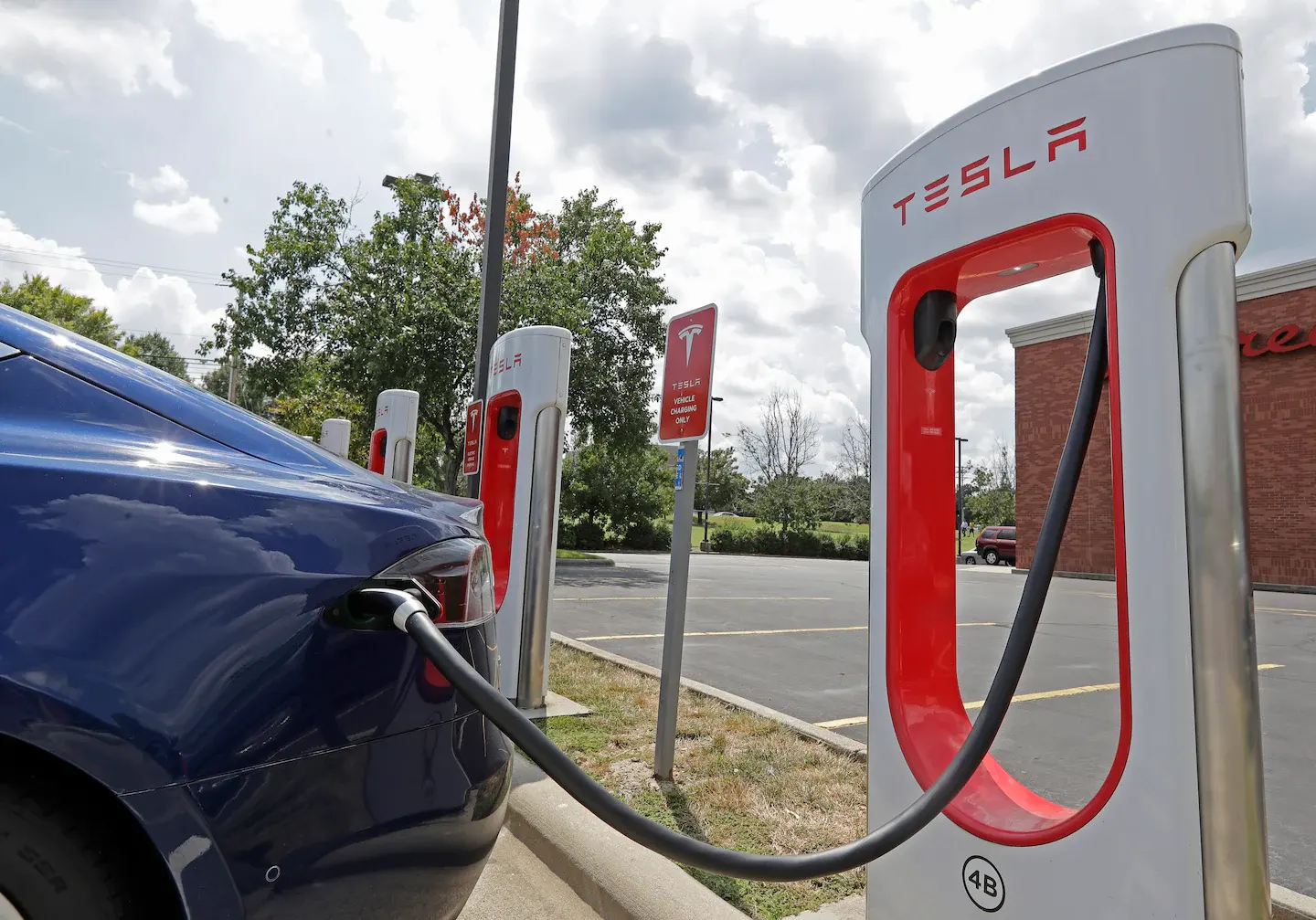
The situation becomes even more complex because the federal fuel tax has stayed at the same level for almost 33 years, and any increase now looks politically unworkable, especially at a time when the cost of living remains a sensitive issue for voters. In that context, electric vehicles, which still make up only a small share of the vehicles on the road, risk turning into a relatively easy political target.
Lawmakers have not yet defined the final formula, and the outcome remains uncertain, also because with the November elections drawing closer, any measure that affects drivers’ expenses becomes especially delicate from a political-consensus standpoint.
A growing number of individual US states have already introduced forms of contribution for EV owners, and the fact that Congress is moving in the same direction at the federal level suggests that the question of road funding in the electric transition will remain at the center of the debate in the coming months.