

Once upon a time, Stellantis’ American boardroom promised a battery-powered revolution that would redefine domestic muscle. That promise, much like the career of the abruptly departed CEO who dictated it, no longer exists. Dodge recently gathered its leadership behind closed doors to address the giant, silent elephant in the room: the Charger Daytona.
Billed as the most powerful muscle car in the world, this heavy EV attempted to substitute the glorious, pavement-shaking rumble of a traditional V8 with an artificial soundtrack blasted through external speakers. Unsurprisingly, muscle car purists looked at the spec sheet, listened to the fake noise, and collectively walked away.
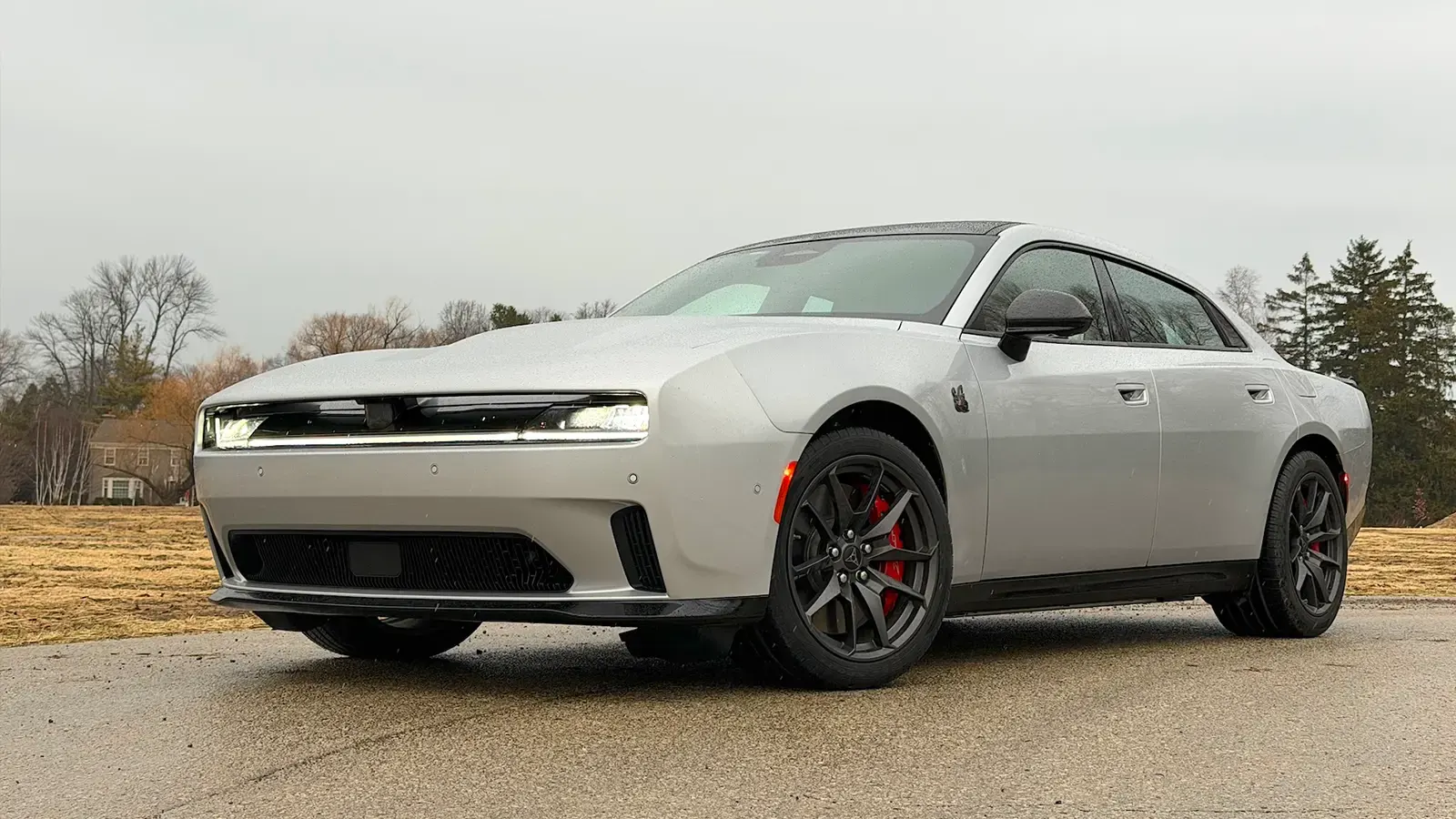
It turns out that breaking a non-written American rule is a catastrophic marketing strategy. To make matters worse, Ford spent the same period engineering the Mustang GTD, a street-legal monster pushing 815 supercharged HP. A simple mathematical reality check proves that 815 is noticeably higher than the electric Charger’s 670, leaving Dodge in a humiliating horsepower deficit.
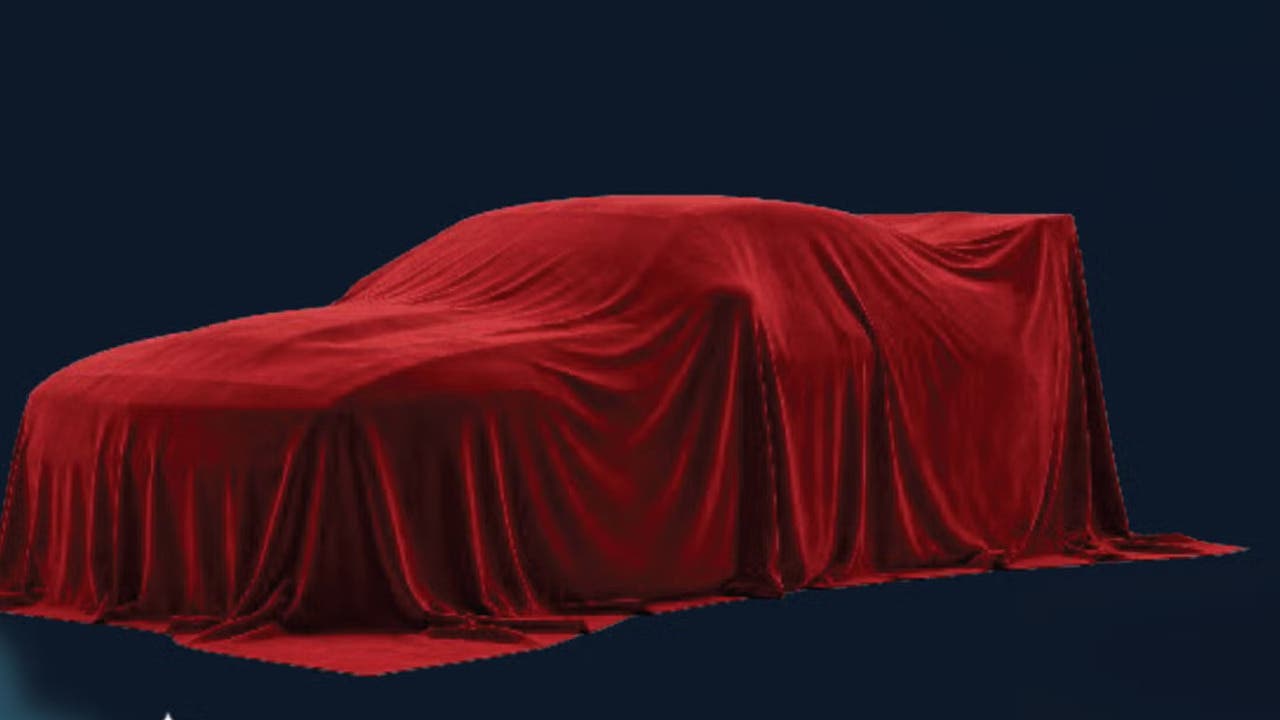
Now entering survival mode, current leadership is aggressively steering into a massive U-turn called the FaSTLAne five-year plan. To repent for their electric sins, executives gave a sneak peek of a brand-new flagship hidden under a red sheet: the Dodge Copperhead.
While the iconic Viper remains dead and buried since its 2017 assembly line exit, its venomous spirit is being recycled. The silhouette teased during the presentation flaunts an aggressively muscular two-door coupe frame topped with a ridiculously massive rear wing.
Forget the batteries; early insider reports suggest this serpent will rely on actual internal combustion, specifically a heavily modified, high-output Hurricane inline-six. Management openly joked that buyers shouldn’t bother asking about fuel economy or the final price tag, a clear sign that this machine is built to be unapologetically expensive, thirsty, and aimed straight at Ford’s throat.
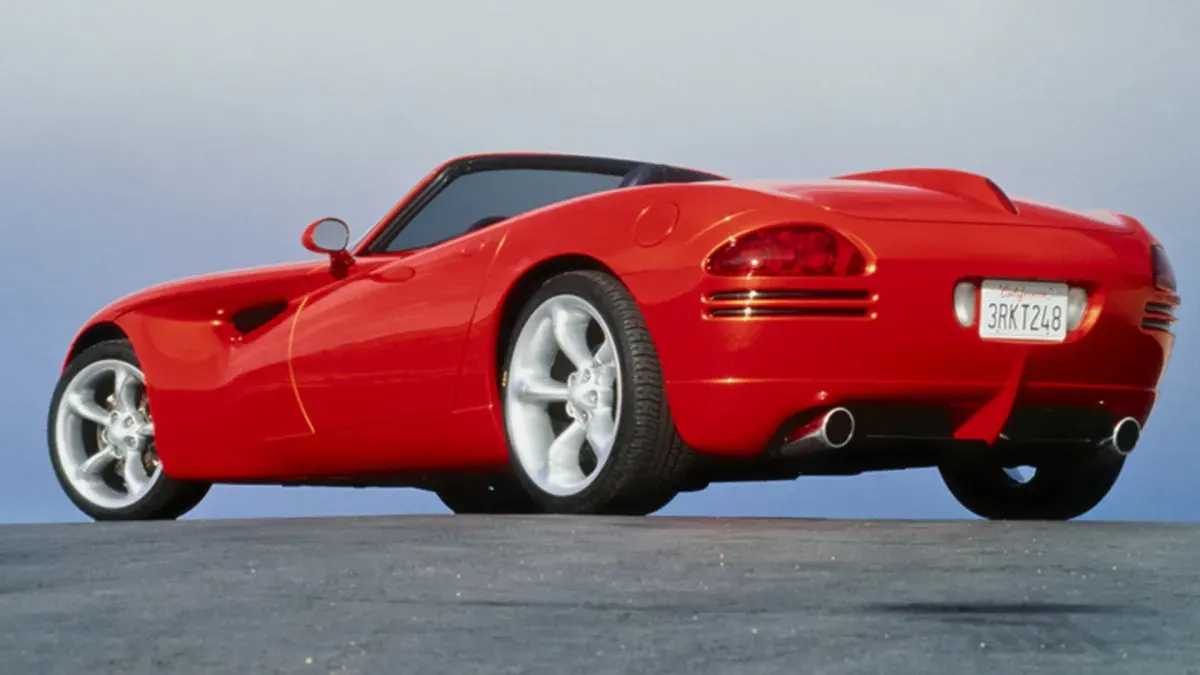
The Copperhead name isn’t new. It originally debuted as a 1997 concept car meant to be an affordable V6 alternative to the Viper. That affordable dream died when the American public chose bulky crossovers and pickups instead.
Fast forward to 2026, and the resurrected nameplate is serving a much different purpose: corporate redemption. Alongside a rumored 300-horsepower Dodge GLH hot hatch designed to cut production costs by thirty percent on the STLA One architecture, the Copperhead represents a desperate rush back to gasoline before the 2030 deadline.