

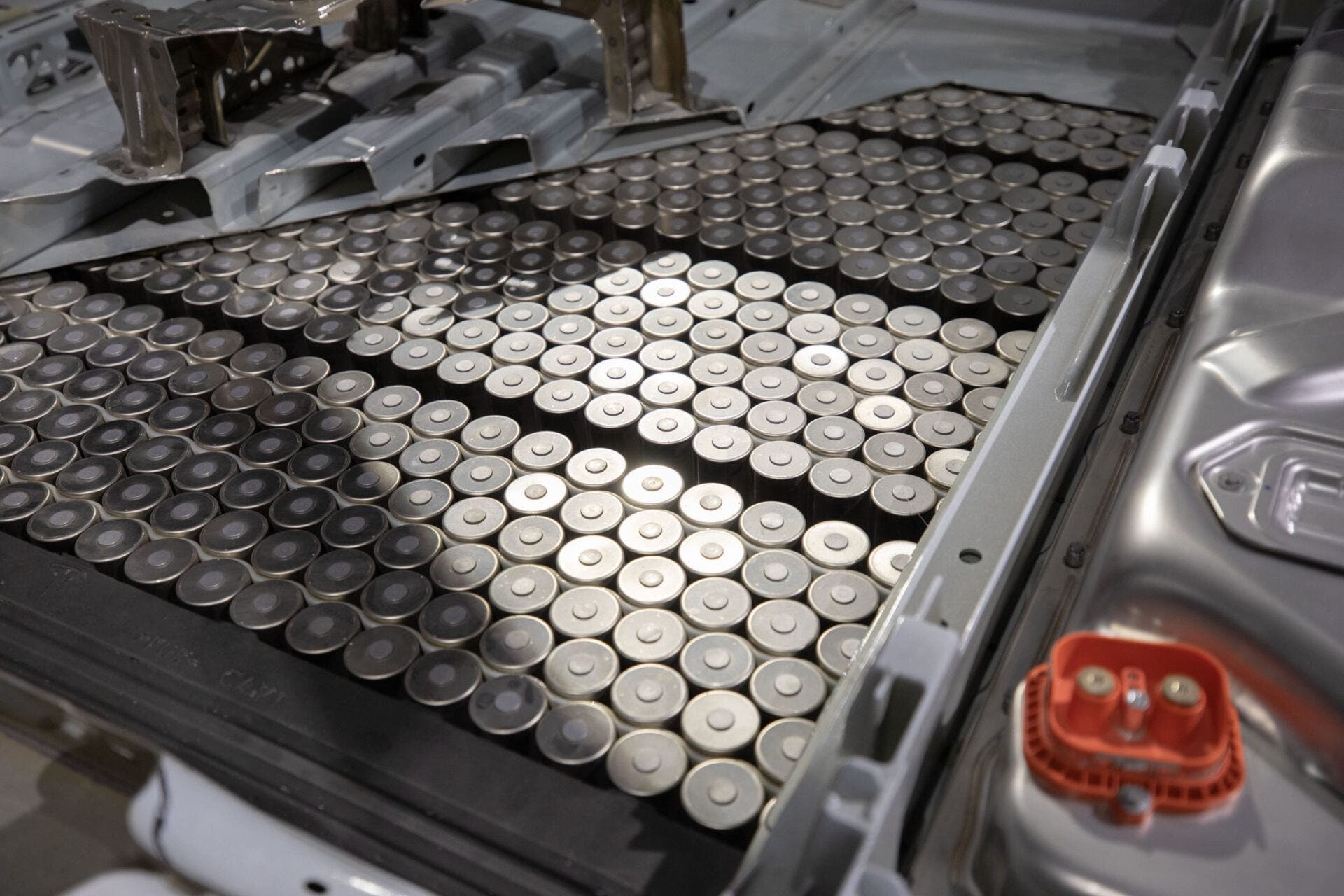
The global volume of end-of-life EV batteries reached around 5.8 GWh in 2025, but according to projections from Circular Energy Storage, that figure could rise to 28 GWh by 2030 and reach 106 GWh by 2035, representing growth of more than 18 times compared with current levels. These numbers clearly show the scale of the industrial and economic challenge facing automakers in Europe and beyond, as regulations increasingly require manufacturers to take direct responsibility for the recovery, reuse or recycling of depleted battery packs.
Used EV batteries are becoming the auto industry’s next big challenge
Costs vary significantly depending on cell chemistry. Recycling LFP batteries, which continue gaining popularity because of their lower production costs, can reach up to $29 per kWh. That means a 50-kWh battery pack could generate end-of-life management costs close to $1,500.
NMC batteries, on the other hand, remain considerably less expensive to process, with costs around $3 per kWh. Companies must also consider pre-processing expenses, which currently stand at roughly $5,000 per ton. However, estimates point to a substantial reduction over the next few years as economies of scale improve alongside growing recycling volumes.
This trend of declining costs represents a strategic risk for automakers. Hans Eric Melin, founder of Circular Energy Storage, explained that manufacturers face the danger of locking themselves today into agreements and investments based on current costs, only to find themselves at a disadvantage once the market matures and prices drop sharply. The timing of these decisions could influence the competitiveness of companies for years.
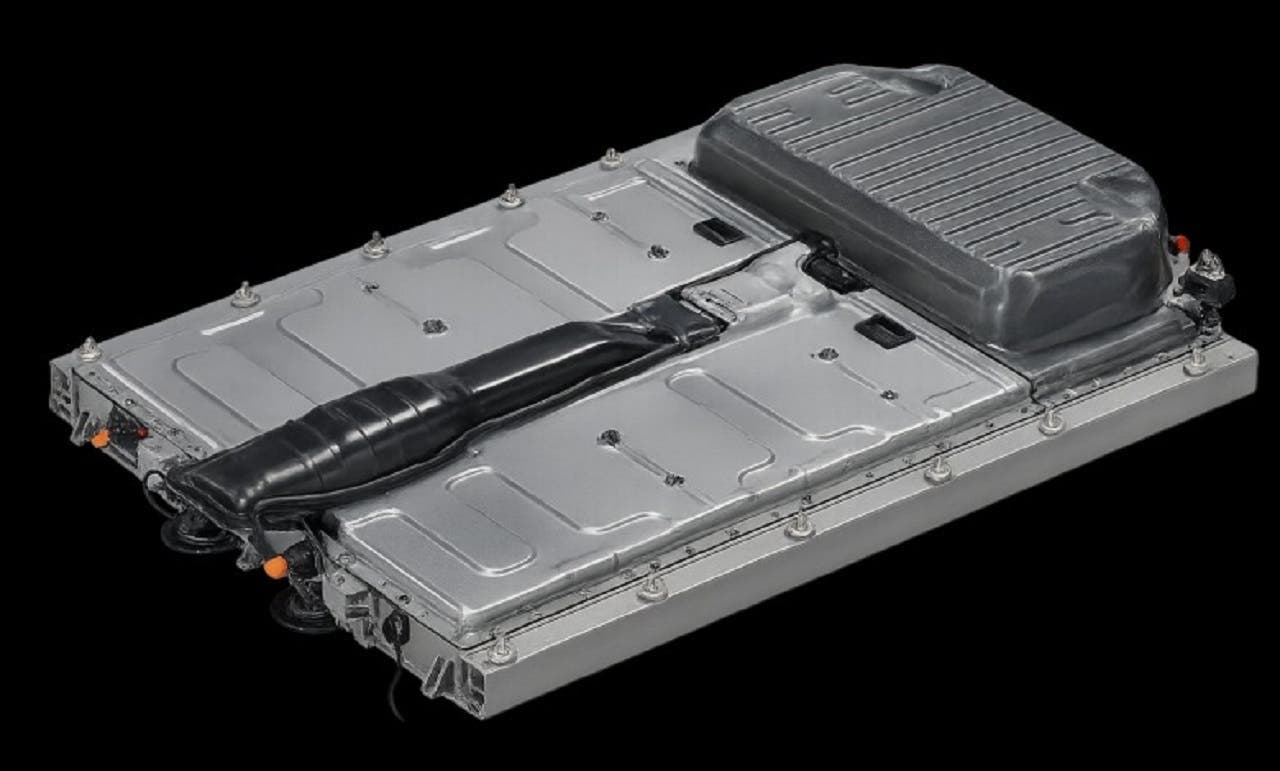
At the same time, intermediate solutions already exist that aim to extend battery life before full recycling becomes necessary. Nissan and Little Electric Energy, for example, converted used Nissan Leaf battery packs into a portable charging system installed at the port of Vigo in Spain. That project shows how reuse can provide a financially viable second life before final disposal.
LFP and NMC technologies will likely remain dominant for several more years, but the arrival of alternatives such as sodium-ion batteries, semi-solid batteries and future solid-state batteries could create new challenges for the recycling industry. Large-scale deployment of these technologies in China could begin around 2027, raising further questions about the need to develop recycling infrastructure capable of handling increasingly diverse chemistries and battery architectures.