

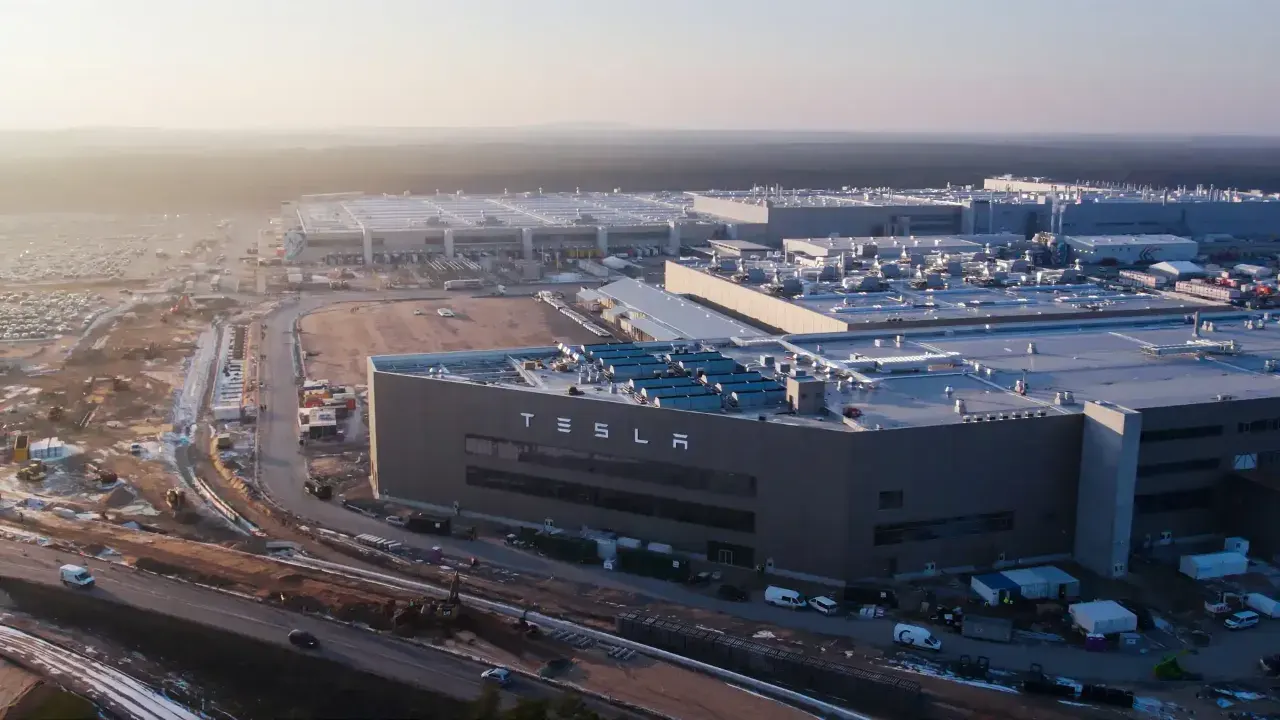
Tesla is finally putting its money where its mouth is. The company has announced a massive $250 million investment for its Grünheide plant. We are talking about over 210 million euros dedicated to establishing a battery cell production capacity of 18 gigawatt-hours per year. This is a desperate, expensive attempt to fix a supply chain that, until now, looked more like a transatlantic ferry service than a cutting-edge tech hub.
For years, the pride of European EV manufacturing has been assembling cars with battery cells flown or shipped in from the United States. It works, but it certainly isn’t the “vertical integration” masterpiece Elon Musk sold us on four years ago.
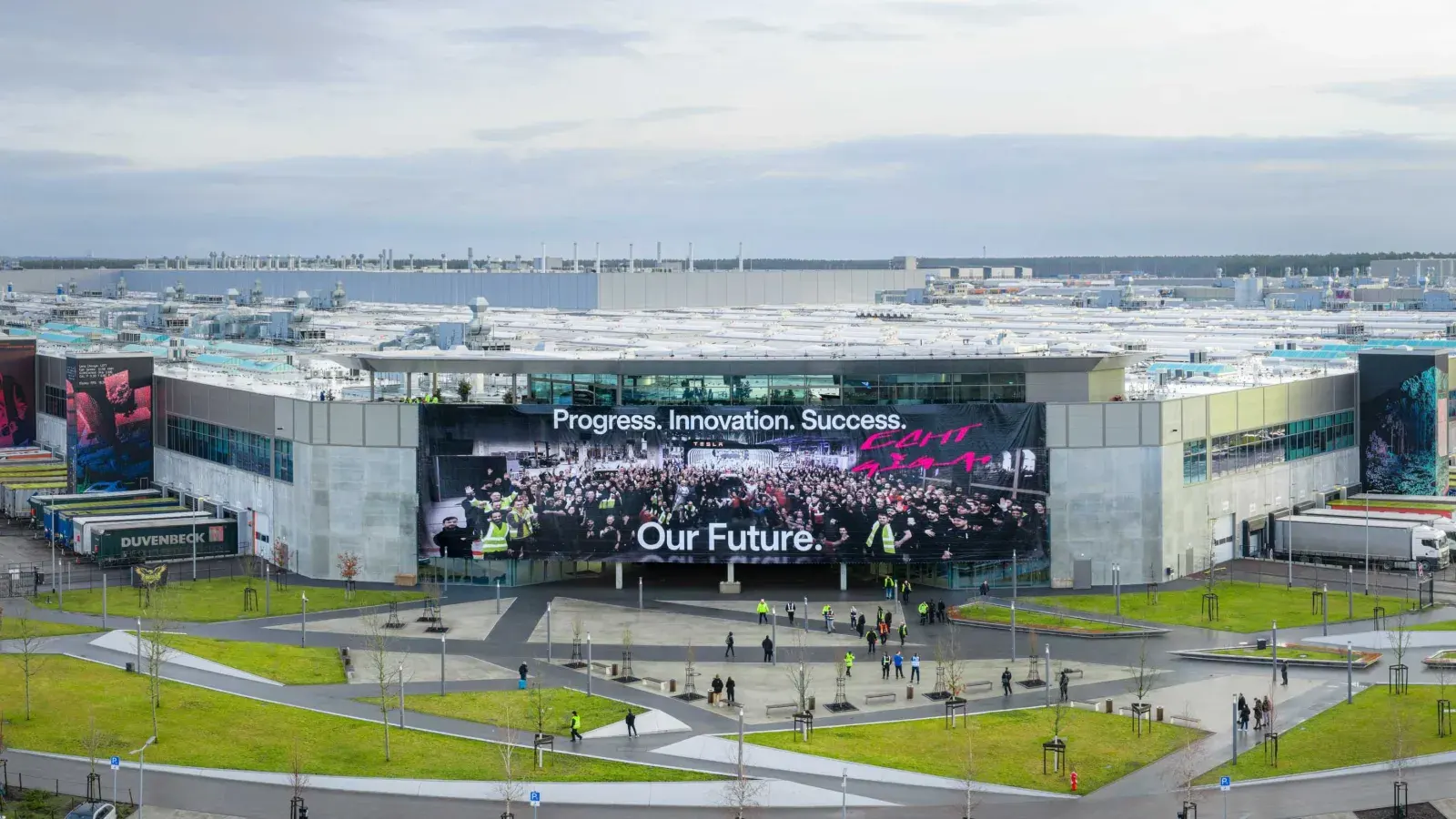
The goal is to have cells and vehicles born under the same roof by 2027. If successful, this would be a rare feat on European soil, where manufacturers usually play a game of catch-up with Asian battery giants. Tesla is effectively doubled its ambition, jumping from an 8 GWh target mentioned last December to the current 18 GWh. To fuel this fire, the company is looking for 1,500 new souls to join the battery division, adding to the 1,000 workers already promised to boost vehicle production to 6,000 units a week.
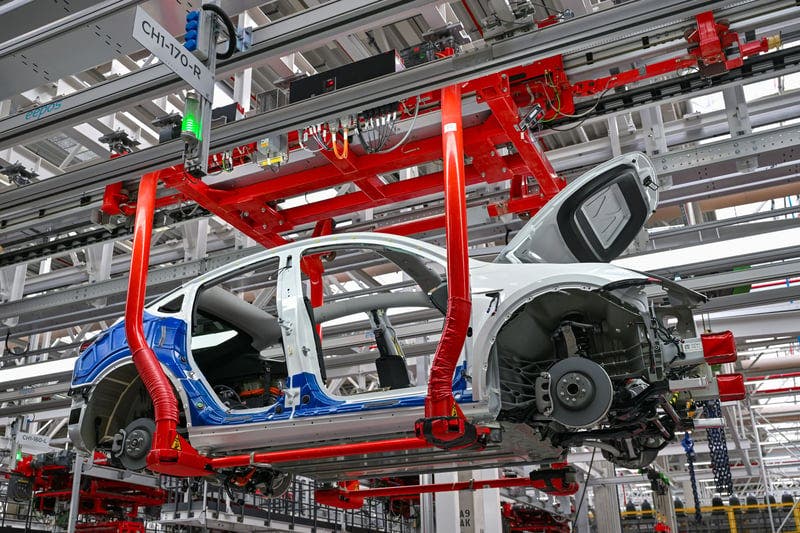
However, let’s look at the numbers through a lens of industrial reality rather than corporate optimism. Even at 6,000 cars a week, the Berlin-Brandenburg Gigafactory is only churning out roughly 300,000 vehicles a year. That is a respectable number for a startup, but a bit embarrassing for a factory that launched with a half-million-unit target and dreams of hitting a million. Meanwhile, the total workforce has actually shrunk from its peak of over 12,000 down to 10,700.
Martina Klement, Brandenburg’s Economy Minister, sees this $250 million injection as a beacon of hope for German industry. She has a point, given the current economic climate, but in the automotive world, money talks and production figures walk. With Q1 2026 showing a 13% rise in global production, Tesla has the wind in its sails.