


The Build America 250 Act, introduced by a bipartisan group of Republican and Democratic lawmakers, would create an annual fee of $130 for electric vehicle owners and $35 for plug-in hybrid owners. The proposal also includes gradual increases that would raise the amounts to $150 and $50 respectively by 2029.
U.S. lawmakers push controversial annual fees for EV and plug-in hybrid owners
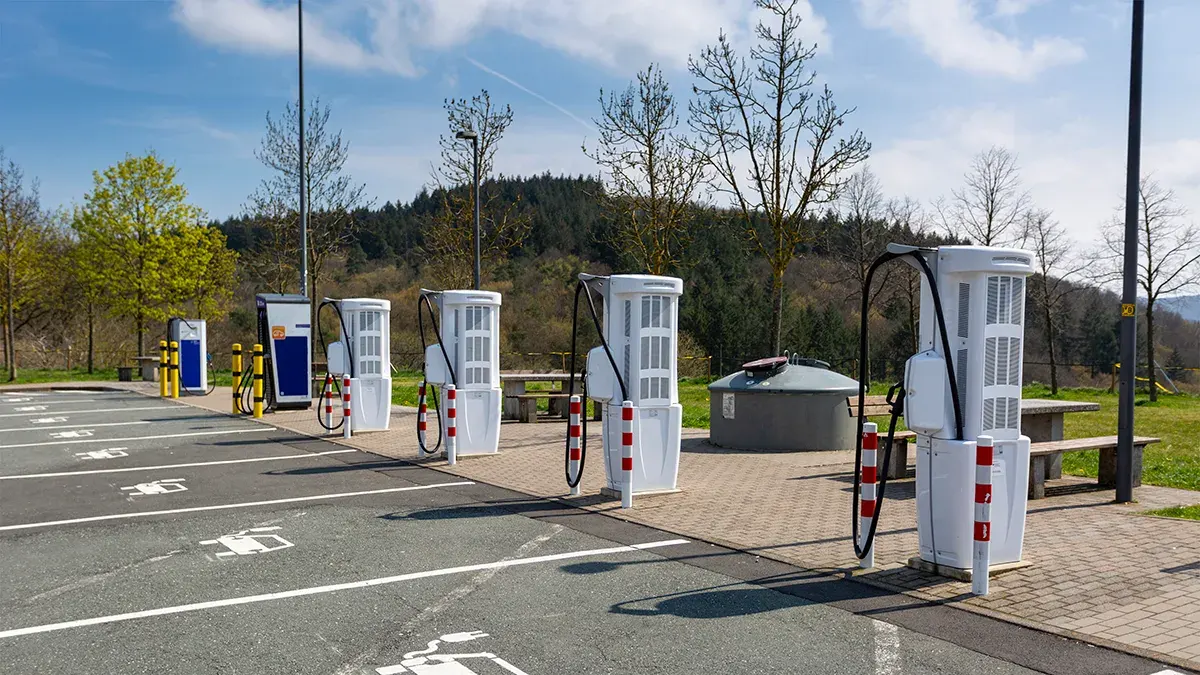
Lawmakers created the measure to address the growing imbalance of the Highway Trust Fund, the federal fund used to maintain U.S. road infrastructure. The fund relies on a gasoline tax fixed at 18.3 cents per gallon since 1993, and inflation, better fuel efficiency and the growth of EVs have steadily reduced its effectiveness. Because electric vehicles do not consume gasoline, their owners currently contribute nothing through fuel taxes.
Critics have focused mainly on the flat-fee structure, which ignores the actual mileage driven by individual motorists. According to Consumer Reports data, the average American driver currently pays between $70 and $90 per year in federal fuel taxes. That means EV owners could end up paying significantly more than drivers of gasoline vehicles despite using the roads at a similar or even lower rate.
The same fee would apply equally to someone driving only a few thousand miles per year and to someone covering tens of thousands of miles annually. It would also treat private vehicles and commercial fleets the same despite their very different impact on road wear.
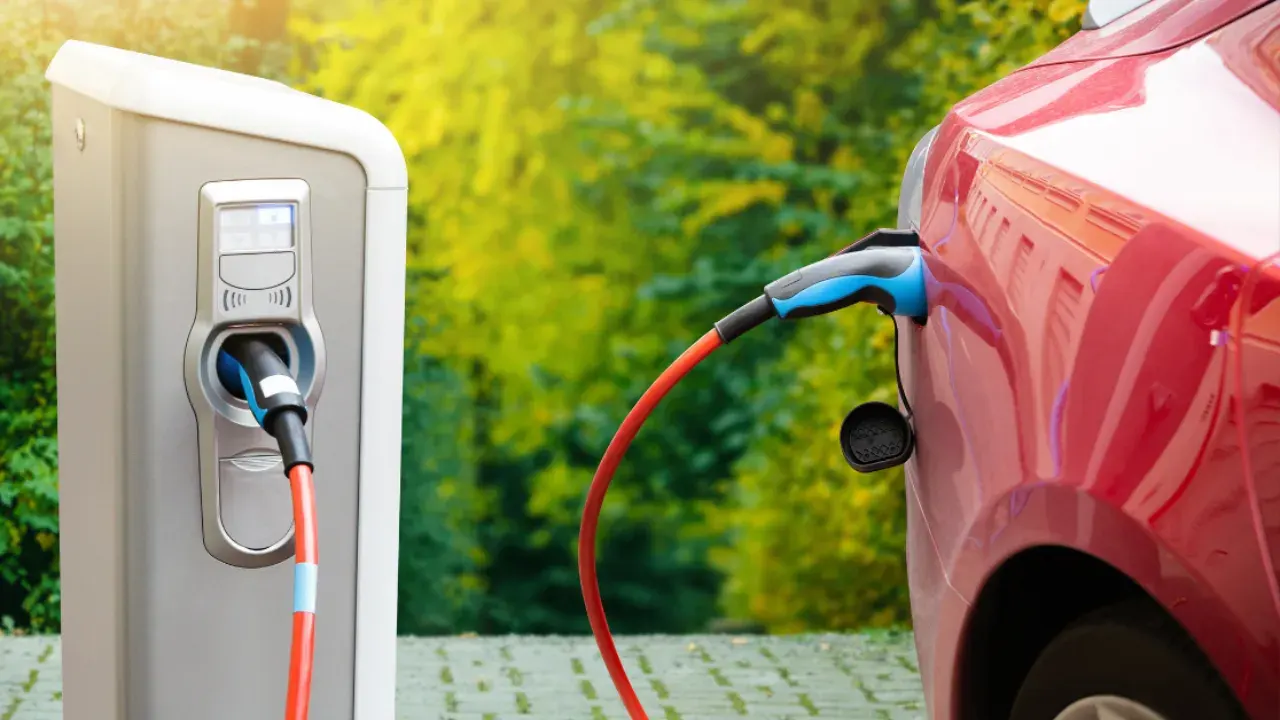
Environmental groups have questioned both the effectiveness and the political message behind the proposal. The Sierra Club argued that the tax would not significantly reduce the federal road-fund deficit while potentially penalizing drivers who chose lower-emission vehicles. The Zero Emission Transportation Association acknowledged the need for new funding sources but described the proposal as unbalanced toward EV drivers.
Many observers believe a mileage-based tax calibrated according to vehicle weight and actual distance traveled would offer a fairer solution than a flat annual fee, although implementing such a system would create greater technical complexity.
The American debate anticipates an issue that Europe will likely face soon as well. Falling gasoline and diesel consumption already reduces fuel-tax revenue across the continent, and countries such as the United Kingdom and Switzerland are already evaluating taxation systems based on mileage traveled.