

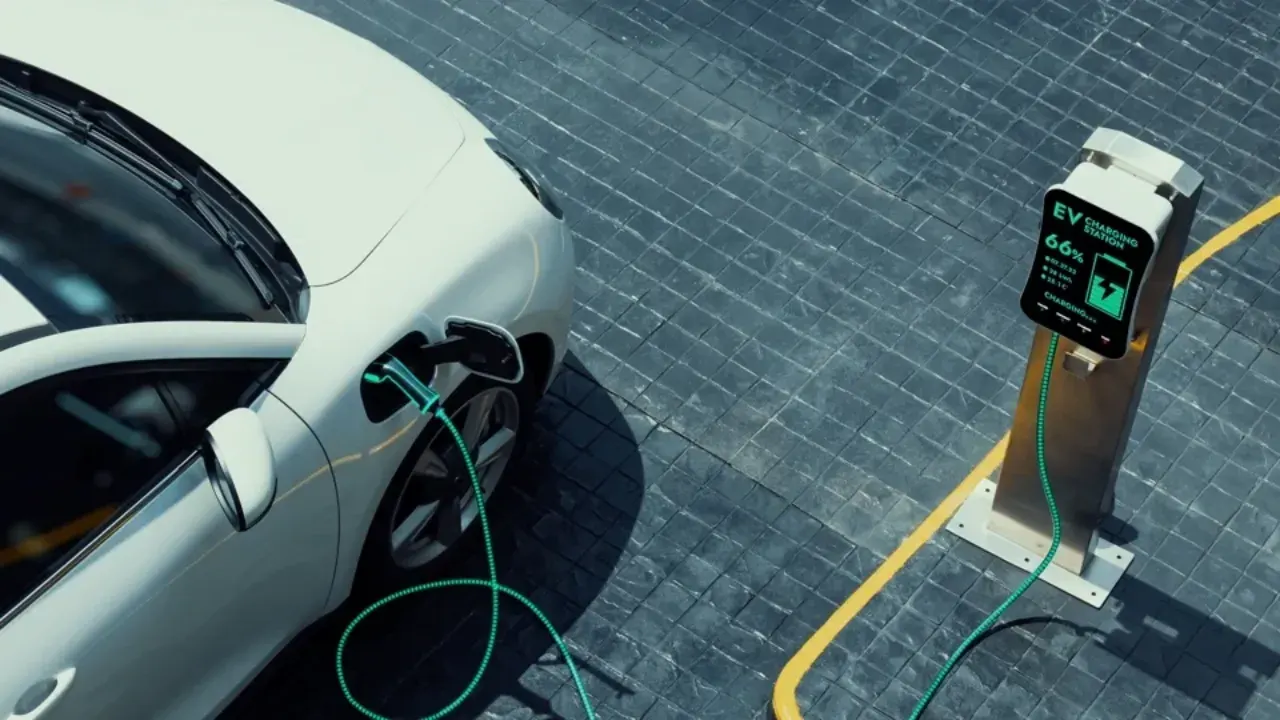
While a vocal contingent of internal combustion purists spent the opening months of 2026 populating forums with celebratory obituaries for the electric car, the International Energy Agency just dropped a cold, hard spreadsheet on their desks. The headline? A slight 8% first-quarter dip in global EV sales wasn’t a sudden, romantic return to V8 engines. It was merely a predictable hangover from regulatory policy shifts in Beijing and Washington. Everywhere else, the transition from oil to kilowatt-hours isn’t just moving; it is sprinting.
Let’s look at the actual accounting. In 2025, 20 million electric vehicles left dealership floors globally, meaning one in four new cars on Earth came with a charging cable instead of a gas cap. This year, that figure is projected to clear 23 million, capturing nearly 30% of the entire global automotive market. Try spinning that as a “temporary trend” while Europe boasts a 30% surge in EV sales, the Asia-Pacific region outside China explodes by 80%, and Latin America clocks in at 75%. Ninety countries logged year-on-year growth this past March alone.
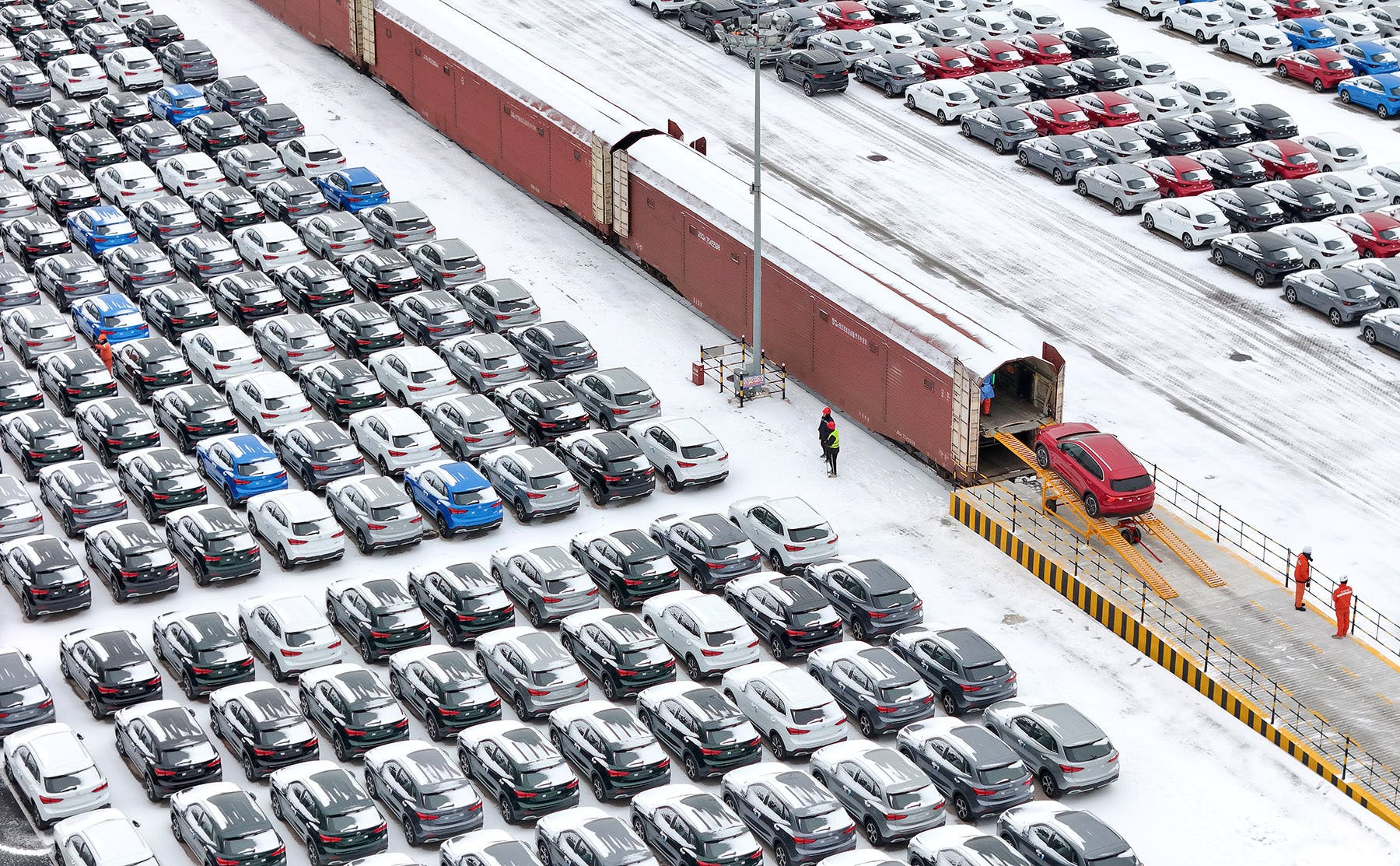
The underlying reality here is an aggressive, inescapable industrial shift, and China is holding almost all the leverage. Chinese manufacturers captured 60% of global EV sales last year, leaving European and North American legacy brands to split a modest 15% each.
On the assembly lines, the dominance is even starker. China built roughly three-quarters of the 22 million electric vehicles produced worldwide in 2025. Because their domestic appetite cannot absorb this massive volume, export numbers doubled to over 2.5 million units. Outside the traditional Big Three markets, 55% of EVs on the road today trace their origins directly back to Chinese factories.
Electric semi-trucks more than doubled their global footprint in 2025, capturing a tenth of the heavy commercial market. Meanwhile, Southeast Asian nations like Vietnam are aggressively stepping into the fray with upcoming tax incentives, aiming for a projected 60% EV market share by 2035.
As the global electric fleet approaches 80 million vehicles on its march toward half a billion by 2035, the economic gravity of plummeting battery costs makes the trajectory clear. The internal combustion engine isn’t just facing a technological rival; it’s being phased out by sheer economic scale.