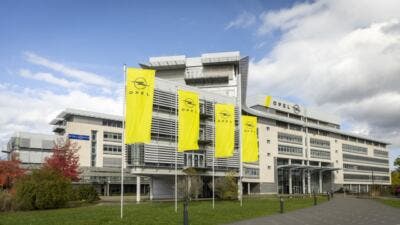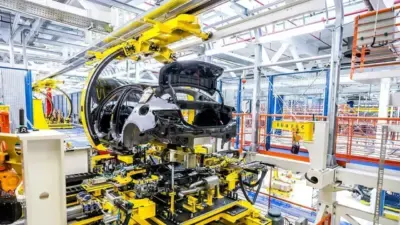
The massive Stellantis cathedrals of industrial archaeology are running on life support, and Antonio Filosa has realized that prayers alone won’t fill the assembly lines. So, he’s looking for a savior where you’d least expect it, Beijing. According to Bloomberg, Stellantis is currently engaged in a high-stakes game of corporate speed-dating with Dongfeng Motor Corp. The goal? Turning those quiet European plants into a backyard playground for Chinese state-owned manufacturing to bypass those pesky EU tariffs.
It’s a full-blown role reversal. Back in the nineties, the PSA Group, the corporate “grandfather” of Stellantis, entered China to conquer a new frontier. Fast forward to today, and the hunter has become the landlord’s tenant.
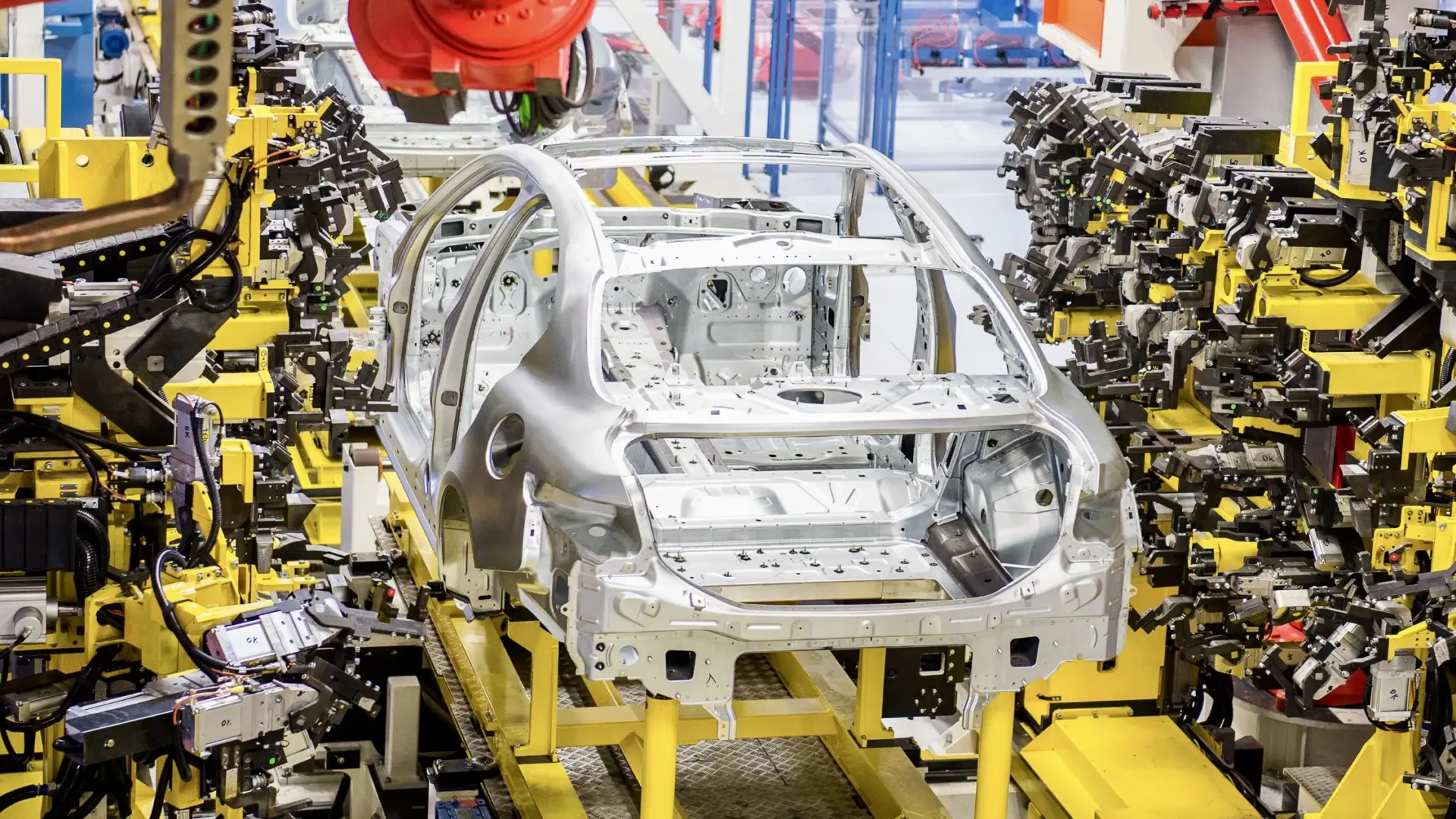
Dongfeng executives aren’t visiting Germany and Italy for the sightseeing or the espresso; they are inspecting the property before deciding whether to buy the place or just rent a few rooms to assemble vehicles for Stellantis’ own portfolio.
Meanwhile, Stellantis is spreading its attention with a promiscuity that would blush a sailor. From flirtations with Xiaomi and Xpeng to an active tech-sharing marriage with Leapmotor, the message is clear. The group has no idea where it’s going, but it’s terrified of walking there alone.
The Italian heart of the empire, however, is where the narrative turns truly sour. The Cassino plant, the supposed cradle of Alfa Romeo and Maserati’s “rebirth,” is looking more like a ghost town every day. While production elsewhere shows a pulse, Cassino is flatlining. Maserati, once the symbol of Italian grit, is sliding into irrelevance even in the Chinese market, recently declaring it’s “open to partnerships”.
On May 21st, during the Capital Markets Day, Filosa will have to explain if this is a strategy or just a very expensive identity crisis. The “Italian soul” of these brands feels like a vintage accessory that’s being traded for a shiny new Chinese battery.