An 8.0-litre naturally aspirated V10, 450 hp, 664 Nm of torque and no traction control. The Dodge Viper GTS turns 30 years old, and it remains one of the hardest American sports cars to place within today’s categories, precisely because it belongs to a design philosophy that now feels almost impossible to replicate.
Dodge Viper GTS celebrates 30 years of raw American power
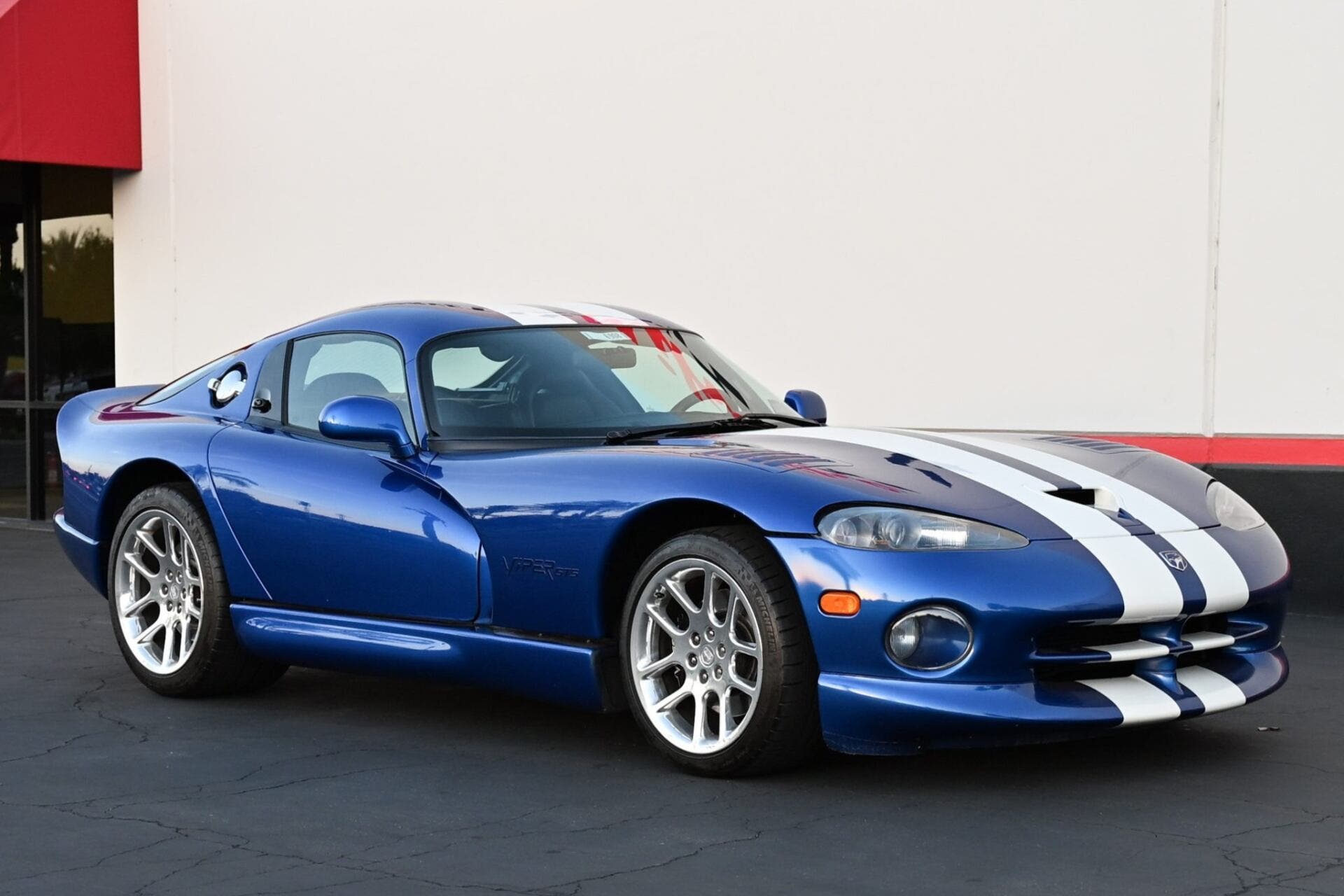
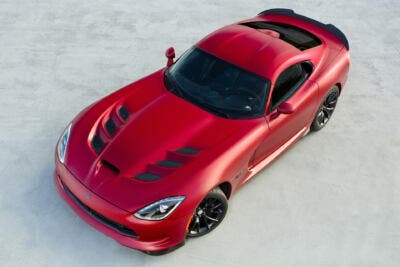
Launched in 1996 as the coupé evolution of the 1992 Viper RT/10, the GTS carried Tom Gale’s design signature and a silhouette that no one could mistake for anything else. The extremely long bonnet, rear-set cabin, muscular wheel arches and compact tail created a shape that did not seek approval, but immediate impact. The double-bubble roof, inspired by some Zagato solutions, provided enough space to wear a helmet, confirming the car’s track-oriented character.
The engine came from units used on Chrysler Group commercial vehicles, but Dodge lightened and refined it with technical input from Lamborghini, which at the time operated under the American carmaker’s ownership. The result was an engine producing 450 hp at 5,200 rpm and 664 Nm at 3,700 rpm, figures that placed it firmly in supercar territory in the mid-1990s.
With those numbers, the GTS could sprint from 0 to 100 km/h in around 4.2 seconds and cover the quarter mile in just over 12 seconds, approaching 300 km/h thanks to an engine that relied entirely on displacement and torque. The gearbox was manual, the drive went exclusively to the rear wheels, and the chassis rewarded expert hands as much as it punished overconfidence. Early versions did not even have traction control.
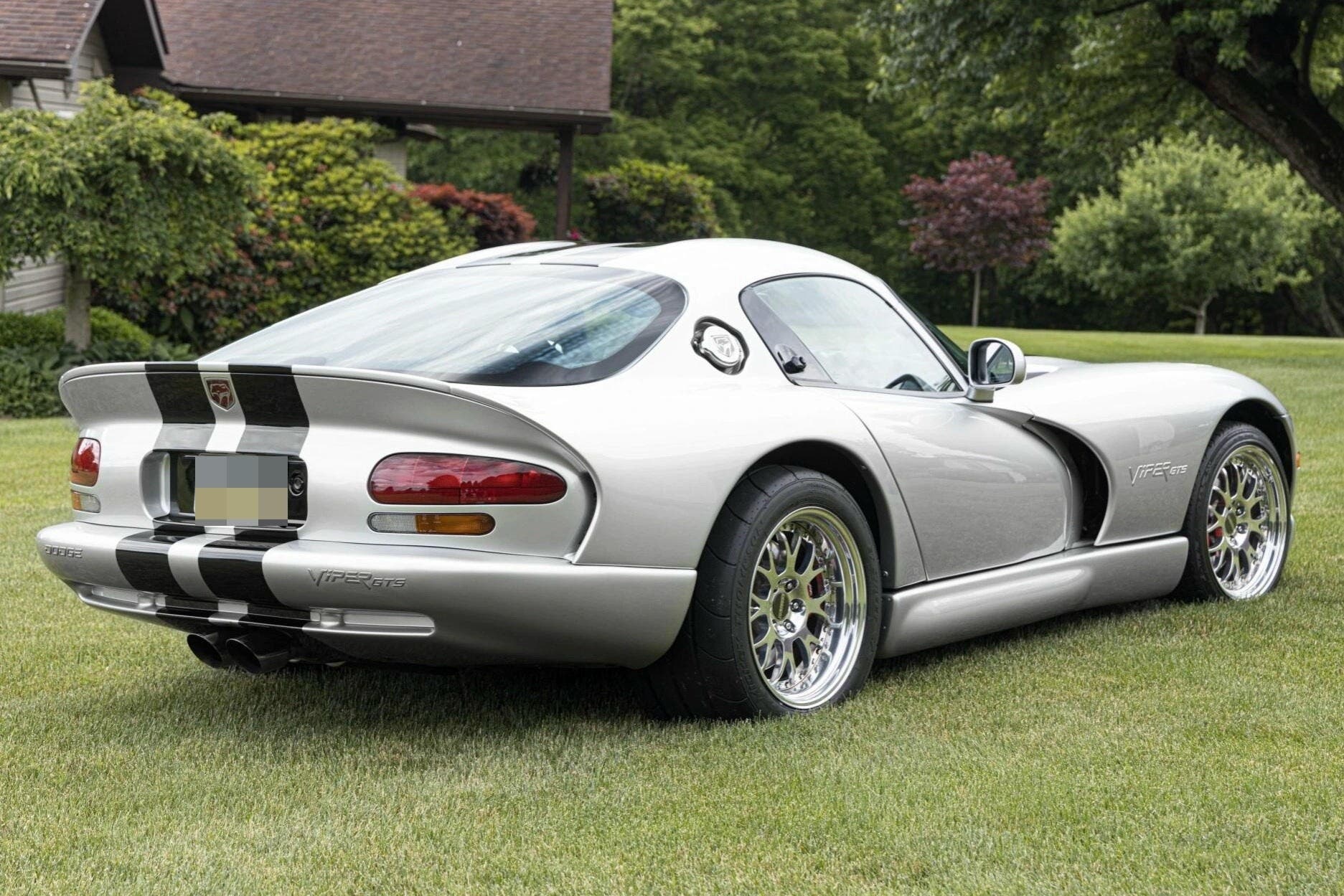
The Viper GTS did not filter the driving experience. It amplified it. Push too hard on the throttle when exiting a corner, and the rear end would quickly remind you who was really in charge. The V10 soundtrack, deep and rough, did not have the musical quality of an Italian twelve-cylinder engine or the precision of some European units, but it had a character that was immediately recognizable.
Compared with the RT/10 roadster, the coupé gained even stronger road presence and a structure better suited to track use. The model became a popular base for racing versions, proving that behind its almost cinematic appearance there was a machine capable of sustaining serious pace.
Thirty years later, the GTS looks even more singular when compared with today’s sports cars, where ultra-fast automatic gearboxes, intelligent all-wheel drive, active aerodynamics and hybrid powertrains have made performance far more accessible. The Viper did not chase accessibility. It chased intensity, and it did so with a mechanical honesty that now feels almost anachronistic.
Emissions regulations, electrification and development costs make it almost impossible to imagine a similar project on a modern production car. That unrepeatable nature probably explains why the car’s appeal remains intact. It was uncomfortable, demanding, thirsty and unforgiving, but it could create an extremely strong bond with those willing to understand it.