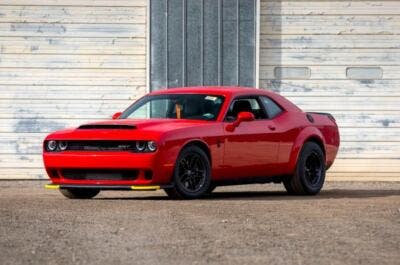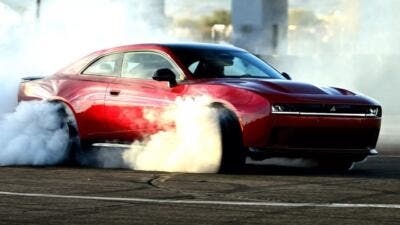
In recent years, Dodge has undergone a major strategic shift, gradually moving away from large naturally aspirated and supercharged V8 engines to make room for electrification and turbocharged six-cylinder powertrains. The transition proved inevitable, yet it never fully convinced longtime brand enthusiasts. For this reason, a new rumor circulating in recent weeks has quickly sparked discussion.
Hellcat could return to the Dodge Charger around 2028
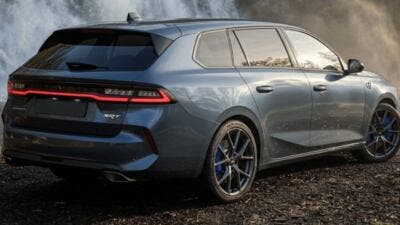
According to MoparInsiders, internal approval may have been granted for the development of a Dodge Charger powered by a HELLCAT engine, intended for the new generation identified by the LB code. No official confirmation exists at this stage, but the project reportedly entered early planning phases, with a possible debut targeted around 2028.
The timing would not be accidental. That period would coincide with the first mid-cycle update of the new Charger, traditionally used by manufacturers to renew interest through high-performance variants. An extreme version could therefore reignite excitement around the lineup as the model reaches a more mature stage of its commercial lifecycle.
The broader context makes the rumor particularly credible. With the arrival of the electric Charger Daytona and the SIXPACK versions powered by the twin-turbo Hurricane inline-six, Dodge has preserved strong performance figures but lost one of the most iconic elements of its identity. The sound and raw character of the supercharged V8 remain deeply tied to the American muscle car image.
Several group executives have also suggested that any V8 comeback would only make sense in its most extreme configuration. Reintroducing a conventional HEMI today would not create a meaningful performance gap compared with modern turbocharged six-cylinder engines. A HELLCAT producing more than 700 horsepower, however, would immediately restore a clear hierarchy within the range.
From a technical standpoint, such a move would require significant development time. The STLA Large platform supports multiple energy solutions, yet integrating a supercharged V8 would demand extensive work on cooling systems, weight distribution and emissions management. This complexity explains why the launch could arrive later in the model’s lifecycle.
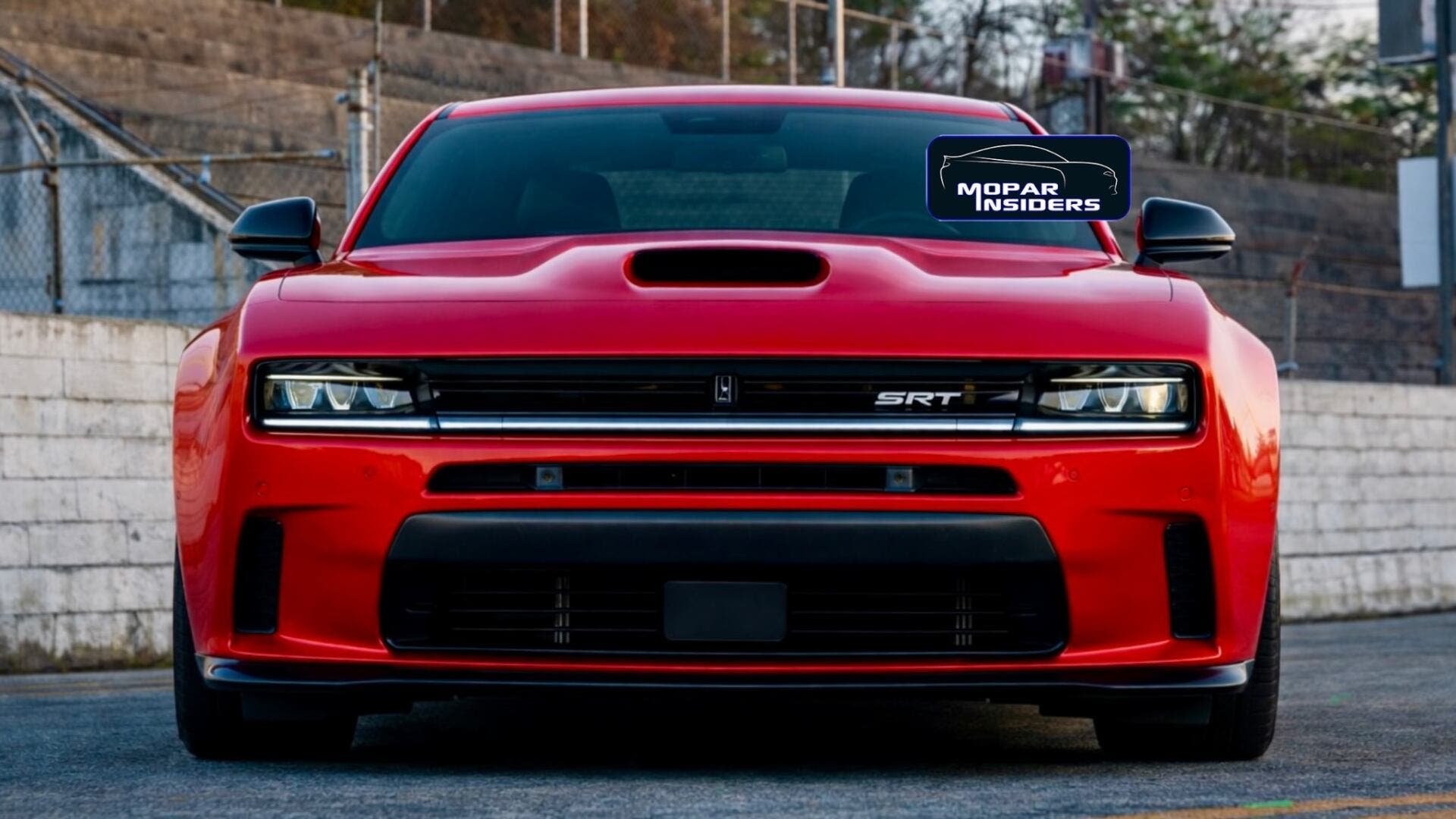
Reports also point to a precise rollout strategy. The Charger HELLCAT would likely debut first as a two-door coupe, a configuration closer to Dodge’s performance heritage, while a four-door version could follow at a later stage. This approach would maximize media impact and reinforce the model’s emotional positioning.
Regarding performance, the most credible scenario involves an updated version of the supercharged V8 already evolved for recent SRT models. Output could approach 777 horsepower, a figure necessary to offset increased size and weight compared with the previous generation while keeping Dodge at the top of the internal-combustion muscle car segment.
For now, everything remains speculative. Dodge has not officially confirmed the HELLCAT’s return to the new Charger, yet signals emerging from within the group suggest that the era of supercharged V8 engines may not be over just yet. And if it does return, it will likely follow the philosophy that has always defined the brand: no compromises, only unfiltered power.