

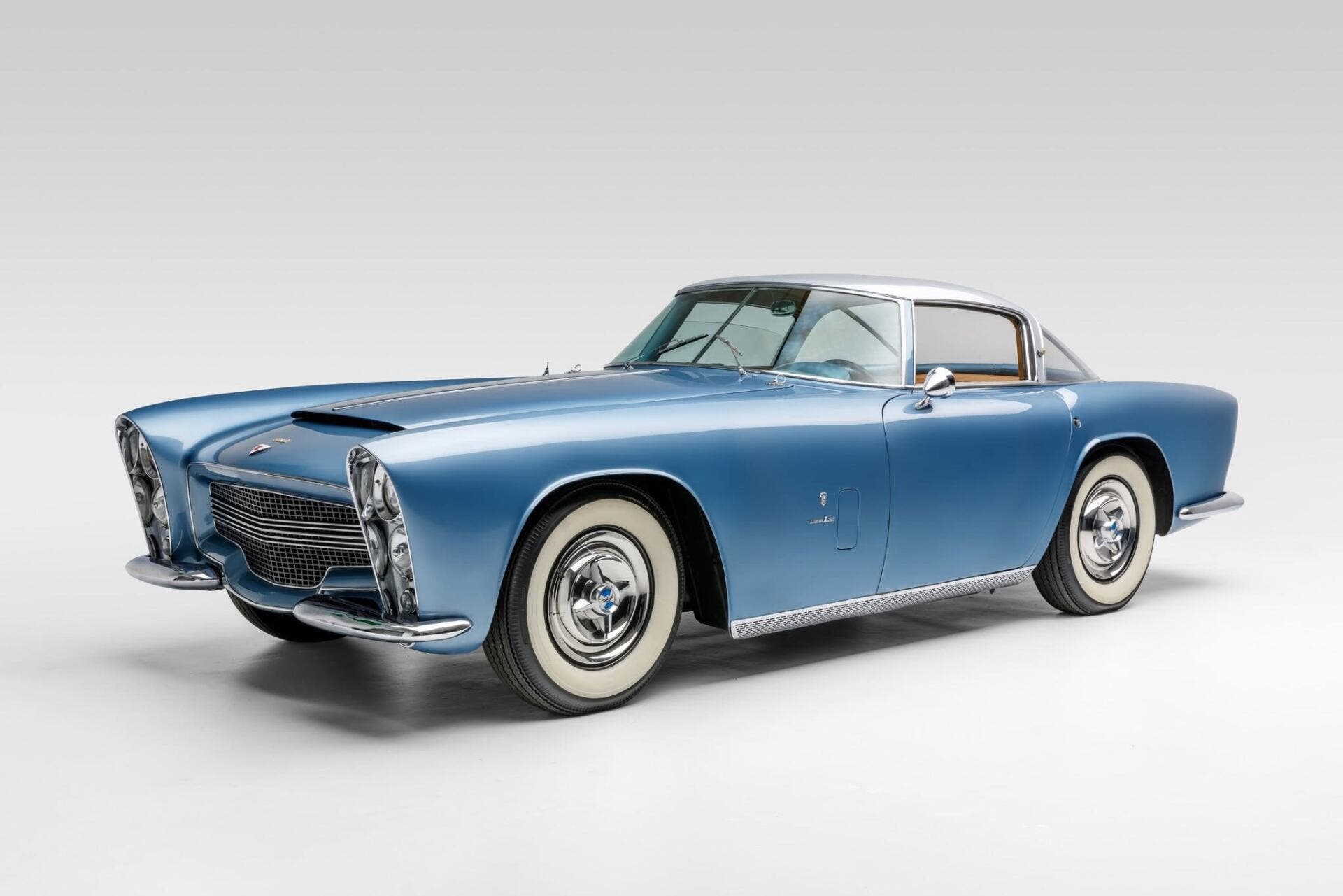
The Dodge Storm Z-250 could have challenged America’s first sports cars in the 1950s, but Chrysler rejected the project just as the market began to grow. The coupe remained a one-off, while Ford and Chevrolet turned the Thunderbird and Corvette into important parts of their brand identities.
Dodge Storm Z-250: the Hemi sports car Chrysler chose not to build
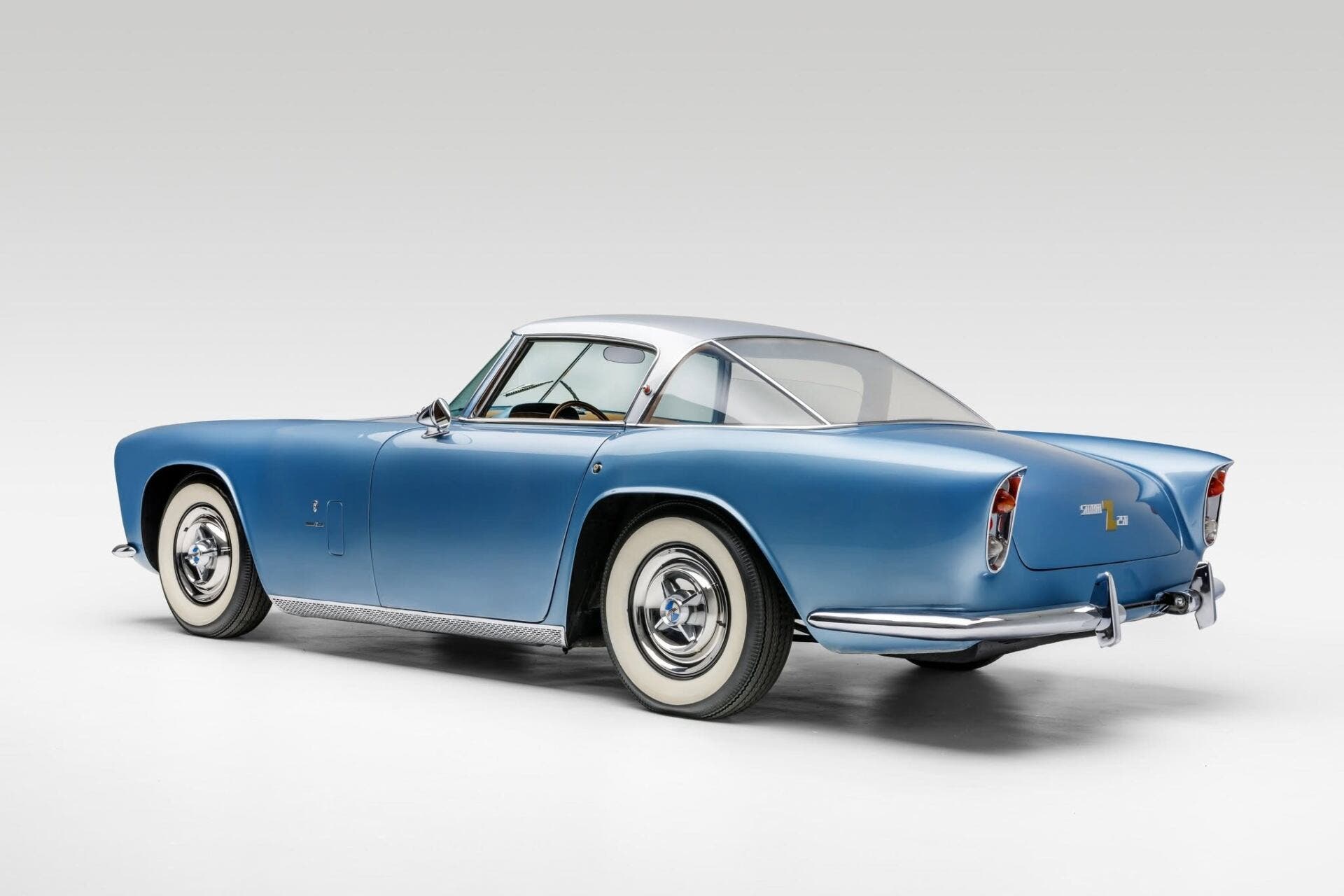
Fred Zeder Jr., a racing enthusiast whose father Frederick had helped establish Chrysler alongside engineers Owen Skelton and Carl Breer, promoted the project independently. The younger Zeder wanted to create an American grand tourer capable of competing with European sports cars on both the road and the racetrack.
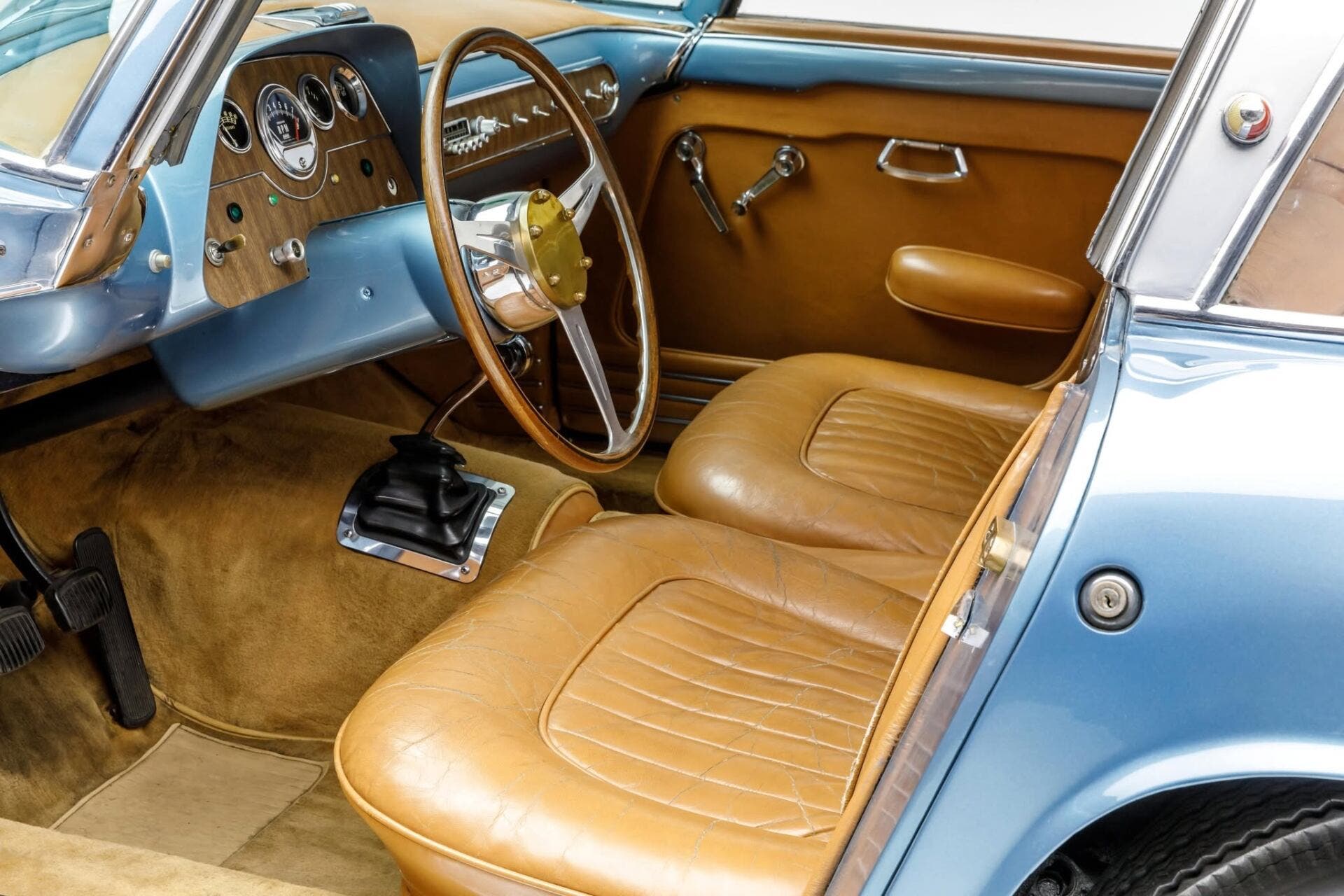
Most of the mechanical components came from parts already available within the Chrysler group. The Storm used a modified Hemi V8 that produced around 260 hp, along with an existing transmission, steering system, and numerous chassis components sourced from Dodge and Plymouth vehicles. Zeder chose this approach to control costs and make a future production version more realistic.
Hank Kean developed the original shape with help from Virgil Exner, head of Chrysler Advanced Design, but the team entrusted construction of the body to Italy. Acting on the advice of a Fiat executive close to Zeder, they sent the chassis to Bertone, where designers transformed the original 2+2 concept into a better-proportioned two-seater.
Construction took nine months instead of the three initially expected. After completing the car, Bertone tested it on the rooftop track at the Lingotto factory and displayed it at the 1954 Turin Motor Show, where it earned recognition for its design. The coupe then crossed the Atlantic aboard the Andrea Doria, and Zeder presented it to his contacts inside Chrysler.
Chrysler executives did not consider the Z-250 a priority, partly because it remained an independent project rather than a vehicle the company had developed internally. Chrysler kept the car at its test facilities for an extended period without carrying out the promised evaluations. When the company eventually returned it, management concluded that production costs would remain too high to justify building it in sufficient numbers.
The delay caused Zeder to miss the most favorable moment. The Corvette, Nash-Healey, and Kaiser-Darrin had already attracted public attention, while the Thunderbird prepared to establish a more comfortable and luxurious interpretation of the American sports car.
Zeder drove the Storm personally for around 16 years before placing it with Northwood University in Michigan. After a long period of neglect, he recovered it during the 1990s, replaced the engine and transmission, and later donated it to the Petersen Automotive Museum in Los Angeles.
Today, the unique Dodge Storm Z-250 remains a reminder of the sports car Chrysler had the opportunity to build but ultimately chose to leave behind.