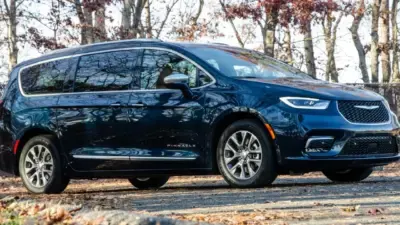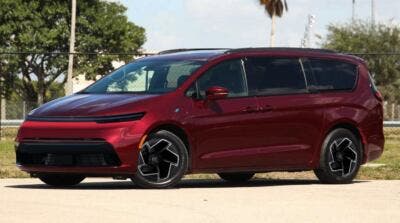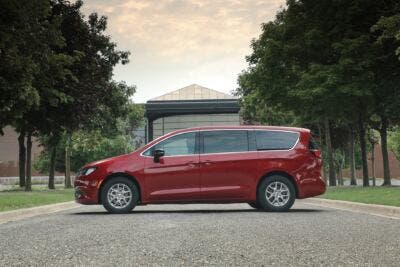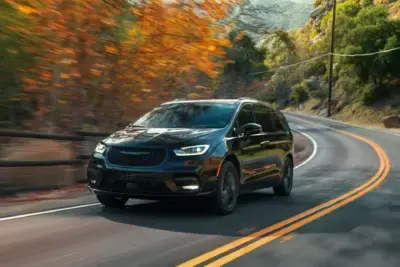
The year 2025 proved that the minivan segment in the United States is far from being in decline. Once again, the Chrysler Pacifica led the market. Despite no longer being a new project, it surpassed 110,000 deliveries, posting a 2 percent increase compared to 2024. That result stems from a lineup that continues to offer both a traditional naturally aspirated V6 and a plug-in hybrid version that remains unique in its class.
Chrysler Pacifica proves the U.S. minivan segment is still alive in 2025
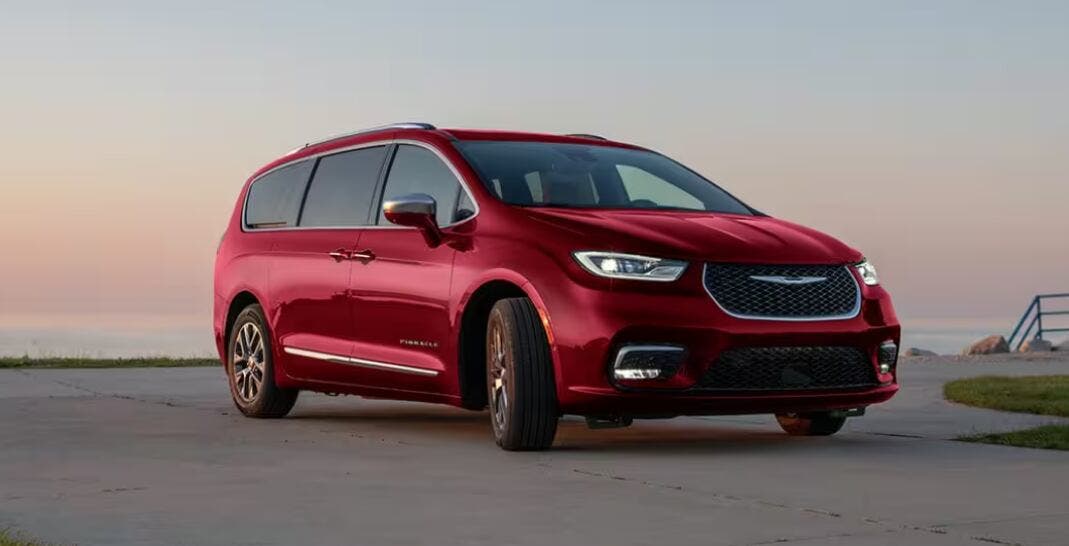
The Chrysler Voyager also closed the year on a strong note. With nearly 16,000 units sold, the model recorded a 31 percent year-over-year increase, confirming its appeal as a simpler and more affordable minivan option. These figures show that the format remains popular, especially among families.
Just behind them sits the Toyota Sienna, offered exclusively with hybrid powertrains. Toyota delivered more than 101,000 units, marking growth of over 35 percent compared to the previous year. The Honda Odyssey also performed well, exceeding 88,000 units, while the Kia Carnival posted one of the most notable jumps, rising from fewer than 50,000 to nearly 72,000 units in just twelve months. Overall, the data points to sustained demand for this family-focused segment.
That said, minivans continue to play a secondary role compared to midsize and full-size crossovers and SUVs. Brands such as General Motors, Ford, and Toyota dominate the market with a broad range of three-row SUVs, often preferred for their image and perceived versatility. Minivans, by contrast, rely on unibody construction and primarily front-wheel drive layouts, prioritizing interior space, comfort, and everyday usability.
Looking at the 2026 lineup, the gasoline-powered Kia Carnival remains the most affordable option, with a starting price below $38,000. The hybrid version, priced just above $41,000, pairs a 1.6-liter turbocharged four-cylinder engine with an electric system for a combined output of 242 horsepower, delivering significantly better efficiency than the naturally aspirated V6. Kia claims a combined average of 33 mpg, compared to 21 mpg for the gasoline-only model.
The Toyota Sienna follows a different philosophy, relying solely on naturally aspirated hybrid powertrains paired with an eCVT. Buyers can also choose an electric all-wheel-drive system that adds a rear motor without significantly compromising efficiency. With a 36 mpg combined rating and a starting price slightly above $40,000, the Sienna remains the benchmark for fuel economy in the segment.
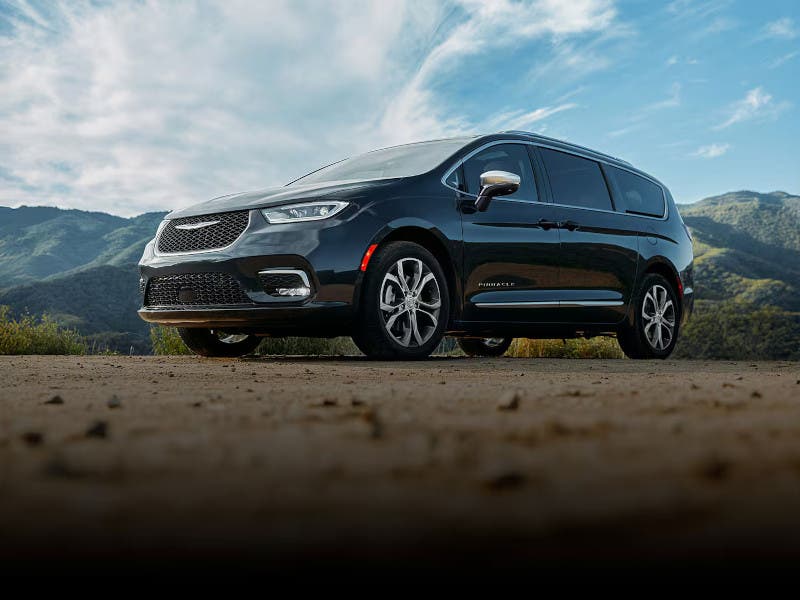
In terms of pricing, the Voyager, Odyssey, and Pacifica all fall between $41,000 and $44,000. Among them, the Pacifica continues to stand out thanks to its plug-in hybrid technology, which allows up to 51 kilometers (32 miles) of electric-only driving and delivers an average of around 30 mpg when running solely on the combustion engine.
Ultimately, minivans no longer dominate the market as they once did, yet they remain a compelling choice for buyers who prioritize space, efficiency, and comfort. The Pacifica’s performance shows that a well-established formula can remain competitive even without being brand new.