Stellantis executives have found their new promised land, comfortably far away from Western labor unions. Fresh from a sun-drenched gathering in Casablanca, the automotive giant unveiled its beautifully capitalized FaSTLAne 2030 roadmap. It is a corporate manifest tailored to squeeze a ambitious 40% revenue bump out of the Middle East and Africa, all while maintaining those sacred, double-digit operating profit margins that keep shareholders smiling.
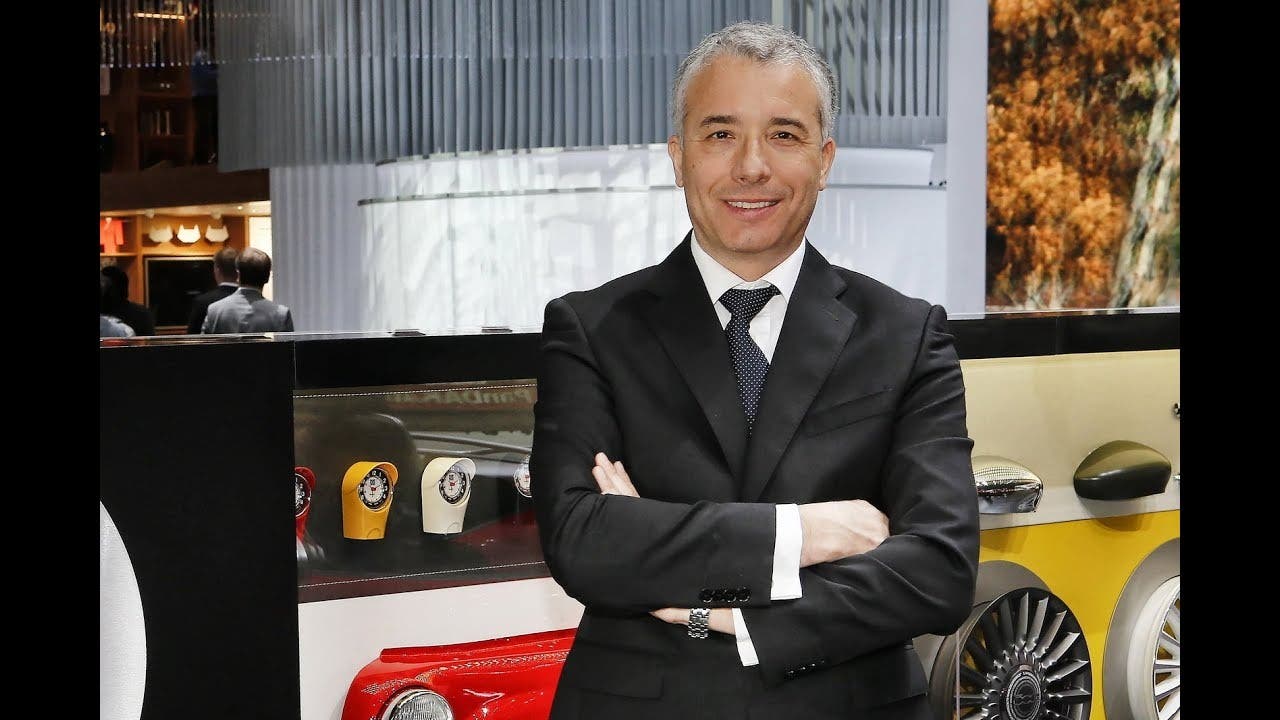
The architect of this regional automotive strategy, COO Samir Cherfan, laid out the master plan to a room of nodding business journalists. The math is delightfully simple, almost poetic: strip down a chaotic catalog to just 22 targeted vehicle models to capture 90% of regional sales.
If you cannot build them cheaply enough under traditional overheads, you simply slice the map into three highly competitive pillars. First, aggressive expansion of local production across low-cost Mediterranean industrial sanctuaries like Morocco and Turkey, which currently boast a massive combined capacity of 800,000 units. Second, ramping up localized assembly lines in Algeria. And third, the corporate magic trick: flooding the market with strategic Asian imports, effectively blending cheaper Eastern manufacturing with Western badging to guarantee prices tailored to an incredibly fragmented clientele.
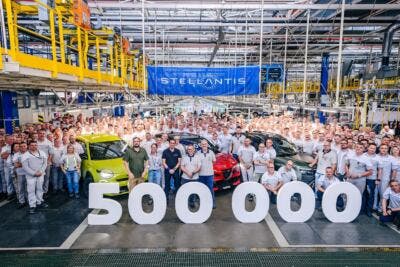
The Middle East and Africa region currently holds a quarter of the global population, a demographic goldmine projected to balloon to 40% in the coming decades. Stellantis already claims the silver medal in this territory, moving over 500,000 vehicles annually. But a fast-evolving automotive market demands ruthless cost efficiency rather than sentimentality.
To pull off this regional transformation, which the group claims will be 75% operational by 2028, Stellantis is dangling an annual investment of about 300 million euros. It’s practically couch change, yet Stellantis intends to stretch it through the convenient financial cushion of third-party partnerships and joint ventures. By offloading risk onto regional allies, the group aims to secure an ultra-efficient supply chain.

It is an unvarnished blueprint of modern capitalism: slim down the product lineup, shift the factories to friendlier economic borders, import from hyper-competitive Asian suppliers, and watch the revenue climb while the traditional manufacturing heartlands look on in silence.