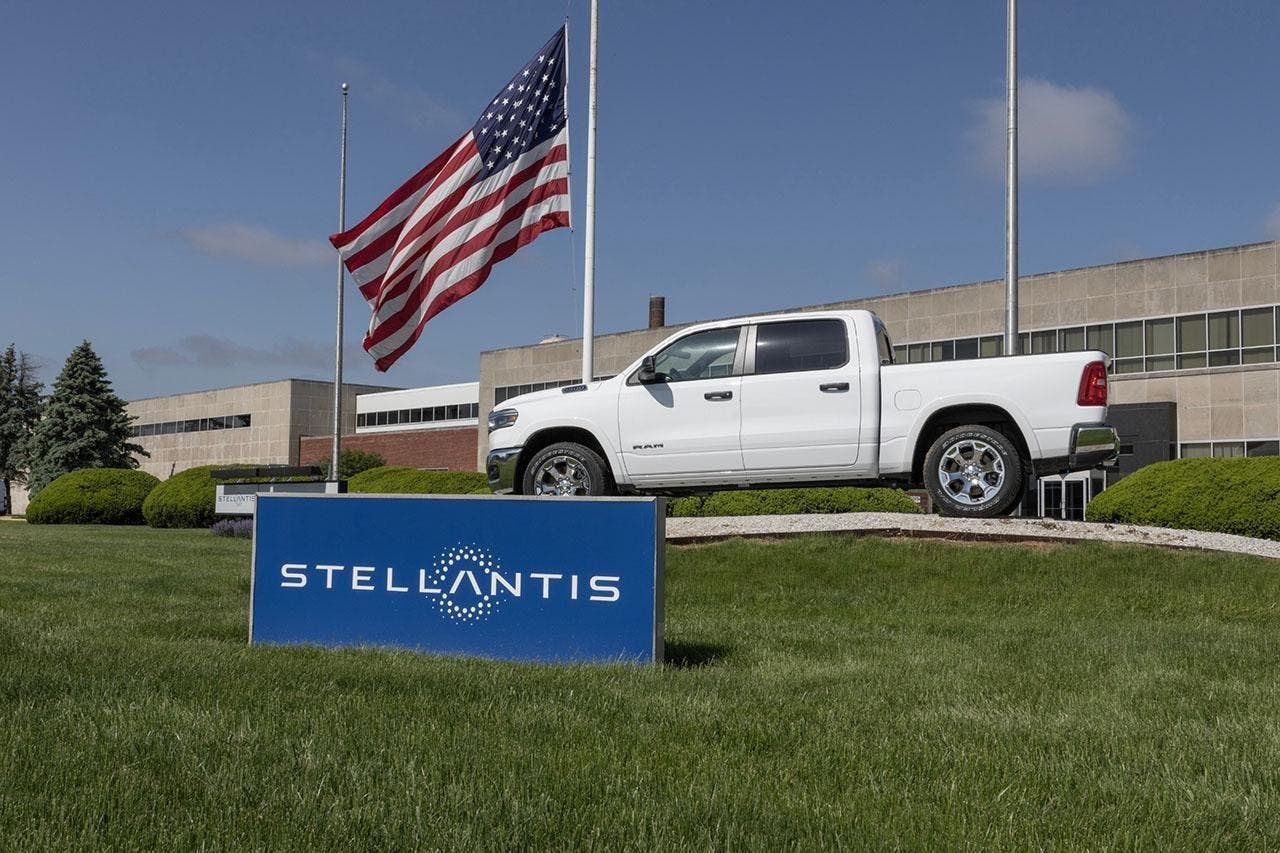
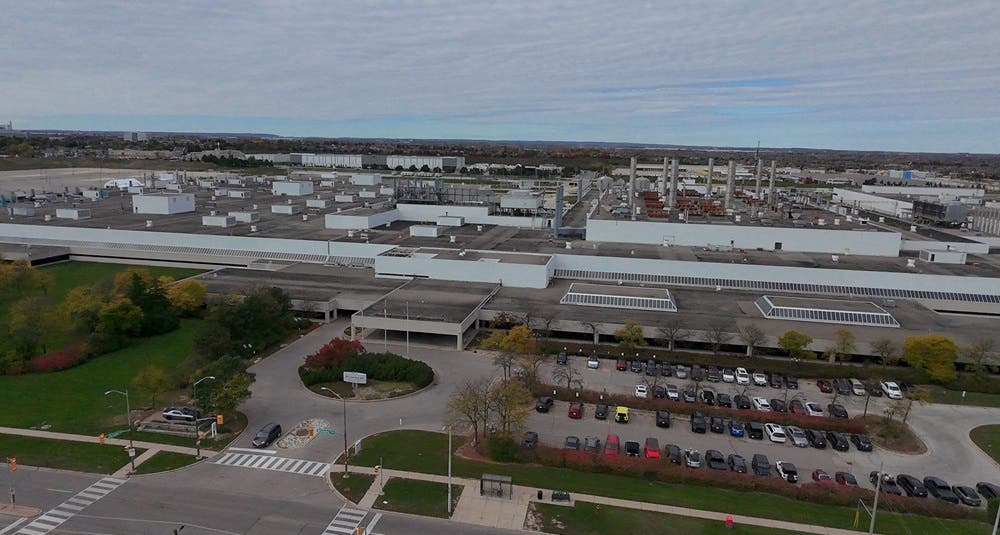
Prime Minister Mark Carney insists the new deal with China to restart large-scale electric vehicle imports “reflects the world as it is today”. For the 3,000 auto workers still employed at Stellantis’ Brampton Assembly plant, it reflects something else entirely. Uncertainty wrapped in diplomatic language.
The agreement allows China to sell up to 49,000 EVs annually in Canada, eventually reaching 70,000, with tariffs slashed from 100% to 6.1%. By 2030, half must be priced at or below $35,000. In exchange, China reduces canola tariffs from roughly 85% to 15%. It’s being marketed as win-win diplomacy. The workers watching their facility sit idle since Stellantis announced last October it was moving Jeep Compass production to Illinois aren’t convinced.

“They sold out the auto industry”, Vito Beato, president of Unifor Local 1285, told The Pointer. His frustration is palpable and entirely justified. The Brampton plant was supposed to undergo a $529 million federally-supported retrofit for electric and hybrid Compass production. An eight-week pause turned into months of limbo before the rug got pulled completely. Workers learned their futures had been decided via automated phone call, a touch Beato called “disrespectful and disgusting.”
Meanwhile, Ontario Green Party leader Mike Schreiner shares concerns that flooding the market with subsidized Chinese EVs threatens local manufacturing jobs, especially after Premier Doug Ford eliminated EV purchase incentives and charging infrastructure requirements in new buildings.
The federal government signals it’s pivoting toward production agreements with other nations. A potential deal with South Korea could bring Korean automakers here, tied to a multibillion-dollar submarine contract. Industry experts cautiously suggest such partnerships might actually revive Canadian auto manufacturing as reliance on an increasingly unpredictable United States becomes untenable.
Ford initially called the China deal “terrible”, then met Carney and emerged praising “Team Canada”. A task force was announced. Details remain vague. In 2024, Canadians bought 1.9 million new vehicles; 13.8% were electric or plug-in hybrid. The average new EV price sits at $66,891. Cheaper Chinese models could change those numbers dramatically.
Whether that change benefits Brampton’s 3,000 workers or simply accelerates their obsolescence remains the unanswered question.