Faced with a global market that’s fracturing faster than a cheap plastic dashboard, Germany and Canada have officially decided to hold hands. The German Federal Ministry for Economic Affairs and Climate Action is calling it a “strategic expansion”. It’s more a geopolitical panic attack.
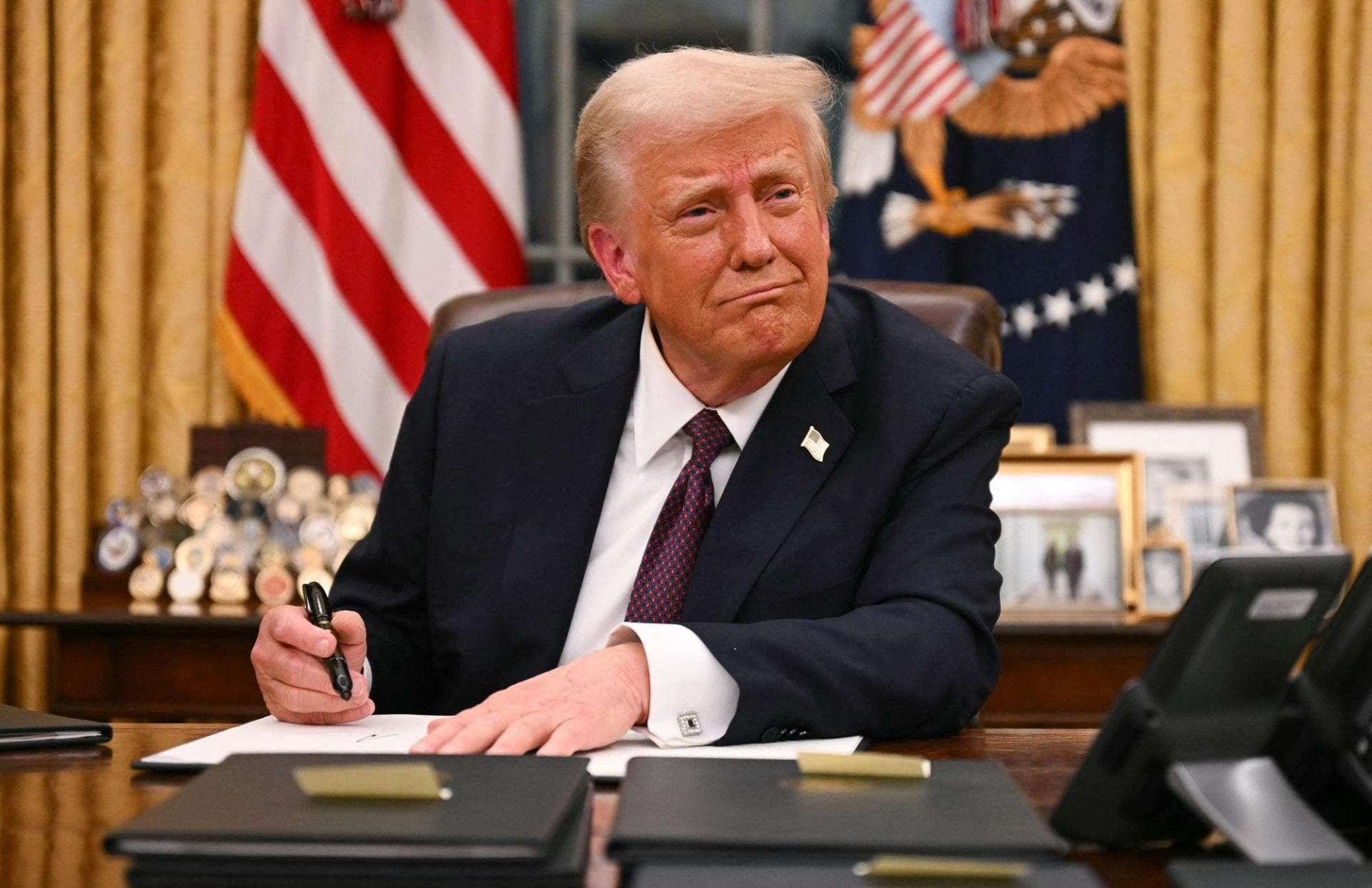
Canada is in a tight spot. For decades, they were basically the 51st state of American car manufacturing, with parts crossing the border so many times they probably had more frequent flyer miles than the CEOs. Then came the Trump era, and suddenly that “special relationship” felt more like a restraining order.
With the US now backing away from the electric dream, Canada is left with a lot of cobalt, a lot of lithium, and nobody to buy it. Their solution? A 2026 partnership with China, complete with tariff breaks, and now this desperate hug from Germany.
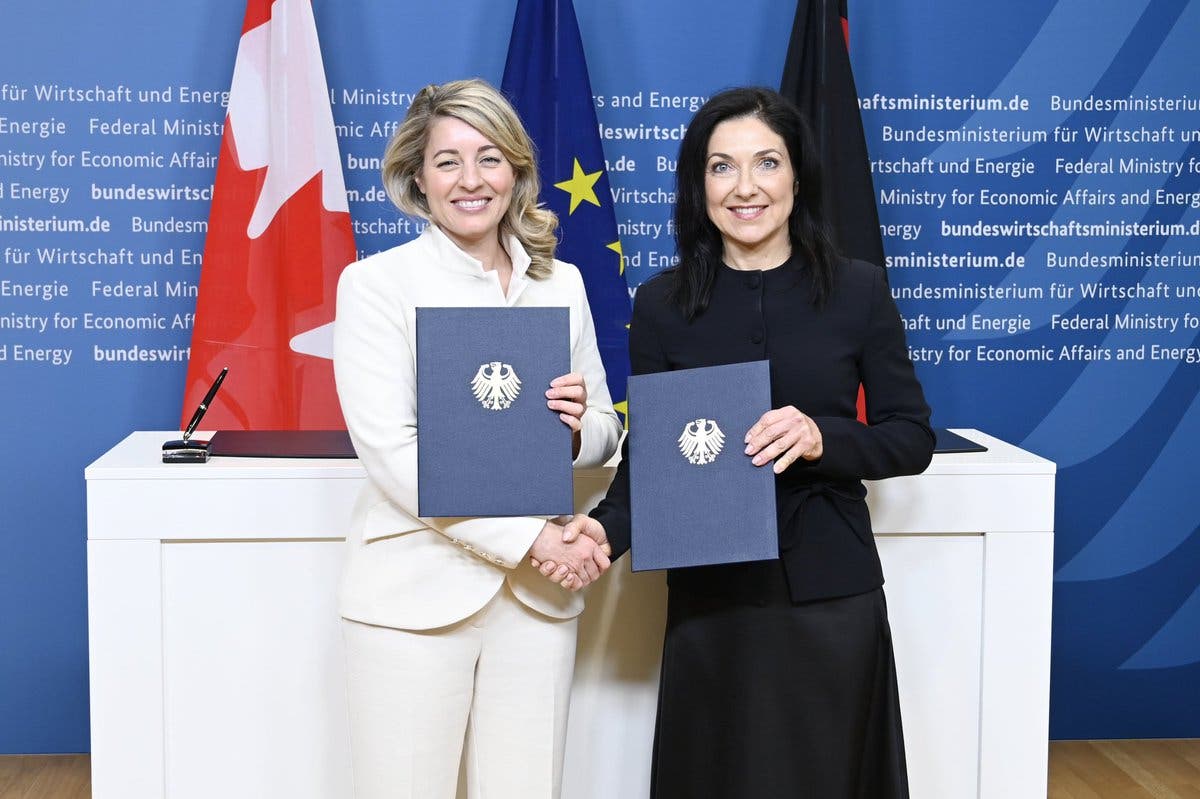
The plan involves a “Joint Cooperation Group on Automotive and Mobility”. They want to secure supply chains for “critical minerals” like graphite, nickel, and copper. Canada has the dirt; Germany has the (struggling) factories. Even Volkswagen’s battery subsidiary, PowerCo, has already set up shop in Canada, lured by massive subsidies that would make a lottery winner blush.
But here’s the kicker: those factories were meant to feed the US market. Now that the Americans are pivoting back to internal combustion, Canada is looking at its green energy and hydrogen potential like a jilted lover looking at a gym membership, hoping it makes them attractive to someone, anyone, else.

German Minister Katherina Reiche talks about “technological sovereignty”, while Canada’s Mélanie Joly claims they are a “proud automotive nation”, despite not actually having a single national car brand to their name. It’s a bold strategy, trying to build a “Next-Generation” empire while the giants are retreating. They’re promising 15,000 jobs and a “clear signal” to the world.