

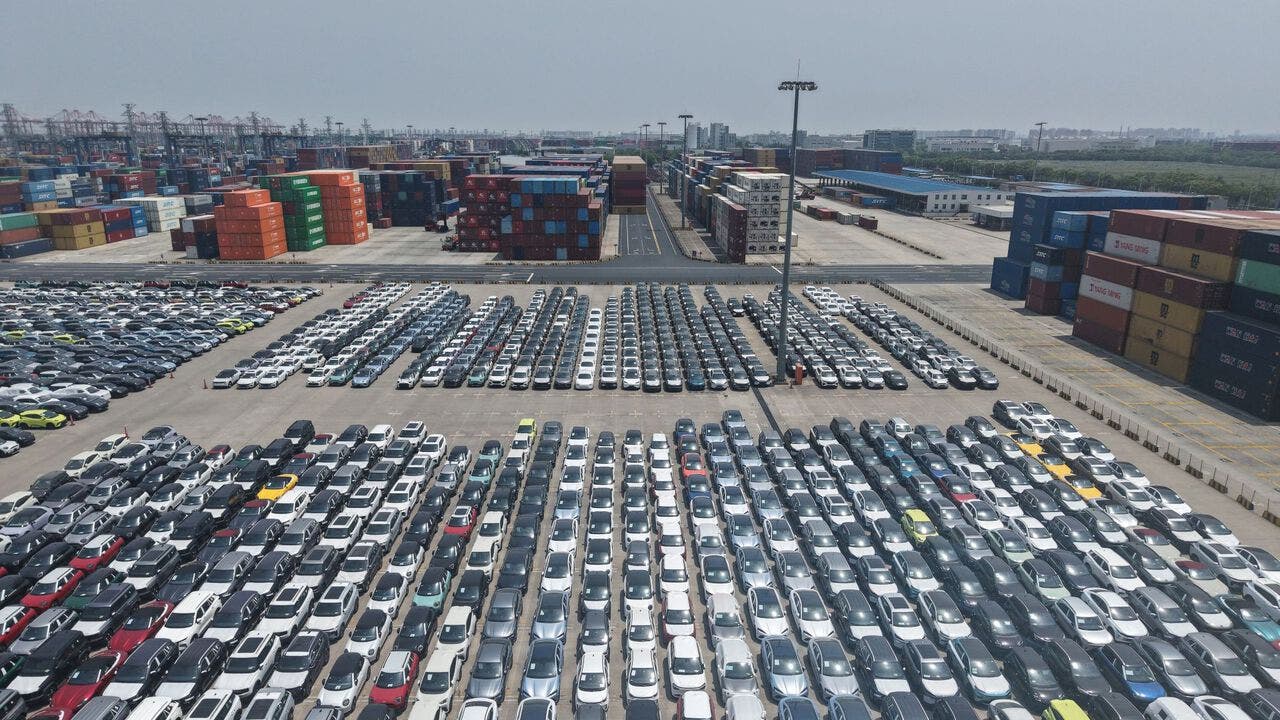
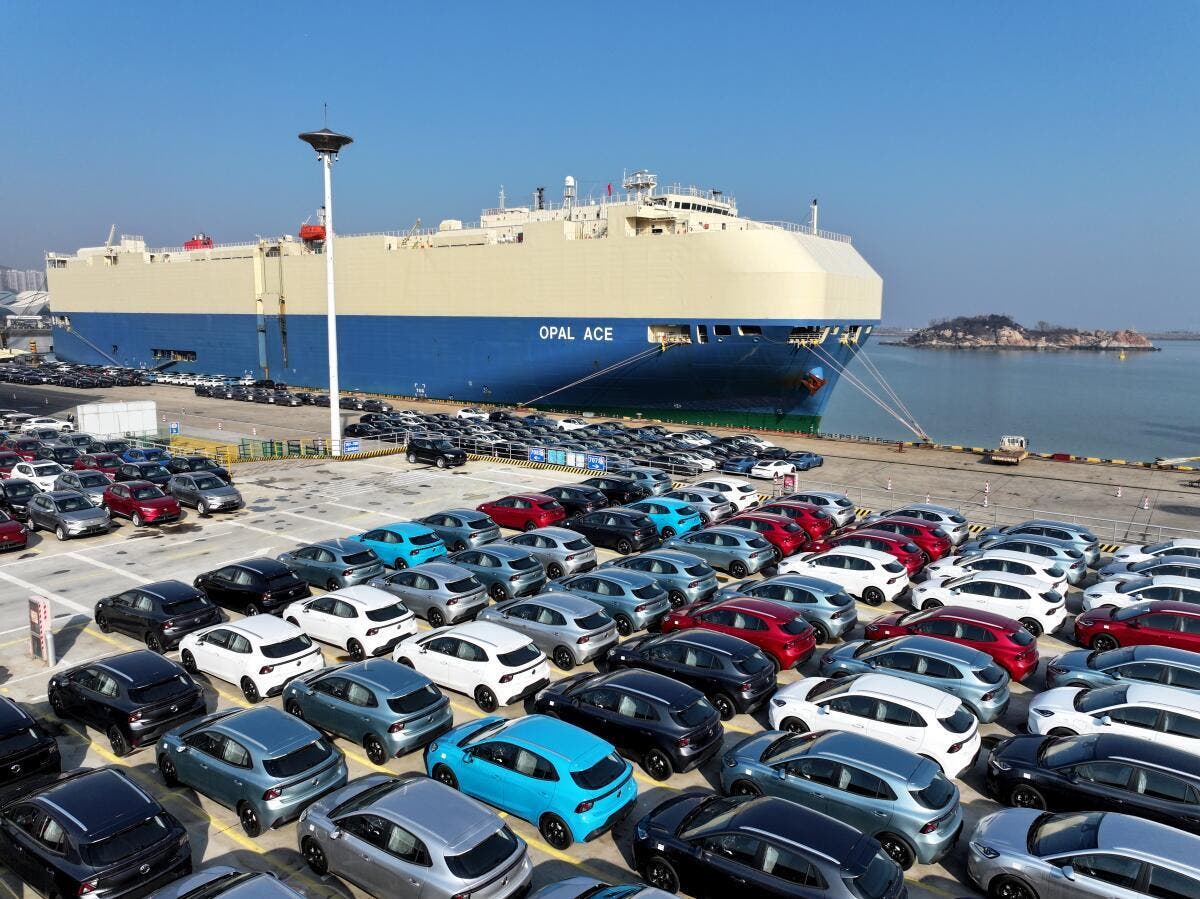
The Great White North is about to get a lot more colorful, and significantly more “Made in China”. Import duties on Chinese vehicles to Canada have plummeted from a staggering 100% to a mere 6.1%. Naturally, the industry giants from the East didn’t need a second invitation. Chery and its compatriots are already stuffing car carriers full of EVs and plug-in hybrids, eager to colonize Canadian driveways before the first snowfall.

According to the latest AutoPacific data, American “polite” neighbors to the North are surprisingly ready to ditch their traditional badges. A solid 67% of Canadian buyers claim they are already familiar with Chinese brands, and 55% are prepared to swipe their credit cards for one if they hit the showrooms tomorrow.
While the U.S. remains a high-walled fortress of trade barriers and skepticism, only 51% of Americans would even look at a Chinese car without crossing themselves. It turns out Canada isn’t just the land of hockey and poutine anymore; it’s the official laboratory for the North American automotive invasion.
The average shopper seems to expect a flagship luxury SUV for the price of a mid-range lawnmower. The lure is “value”, fueled by viral videos of high-end Chinese EVs selling for pennies in Shanghai. However, the analysts at AutoPacific have a bucket of cold water ready for the dreamers. The exchange rate between the Yuan and the Canadian Dollar means that the $30,000 “luxury” fantasy is likely to stay just that: a fantasy.
Interestingly, Canadians are proving to be the pragmatic cousins of the continent. They are 6% more likely to consider an EV than their American counterparts, yet they couldn’t care less about flashy “Blade Runner” tech or minimalist interiors that require a PhD to operate. They want range, reliability, and a price tag that doesn’t require selling a kidney on the black market.
As Facebook and Instagram feeds fill up with ads for brands we couldn’t pronounce three years ago, Canada is setting a dangerous precedent. If these cars can survive the tundra and the critics, Detroit might finally have a legitimate reason to look over its shoulder.