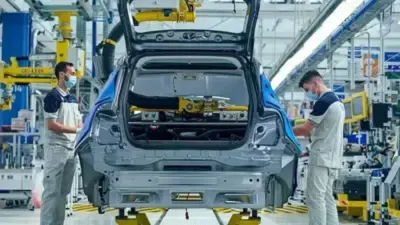
Remember when Mirafiori and Cassino were the sacred temples of Italian industrial pride, churning out roaring internal combustion engines for a grateful continent? Fast forward to the present day, and those very same historic Stellantis facilities have transformed into potential real estate bargains for the unstoppable march of BYD. The Chinese automotive juggernaut is no longer content with merely shipping its fleet of electric vehicles and plug-in hybrids across the Mediterranean. BYD wants a permanent industrial footprint right on European soil.
Enter Alfredo Altavilla, BYD’s Special Advisor for Europe, who recently pulled back the curtain on the brand’s relentless regional expansion strategy following a presentation on artificial intelligence and advanced driver-assistance systems. Altavilla made it crystal clear that BYD does not care whose heritage logo used to be plastered on the factory gate, whether European, Chinese, or Korean.
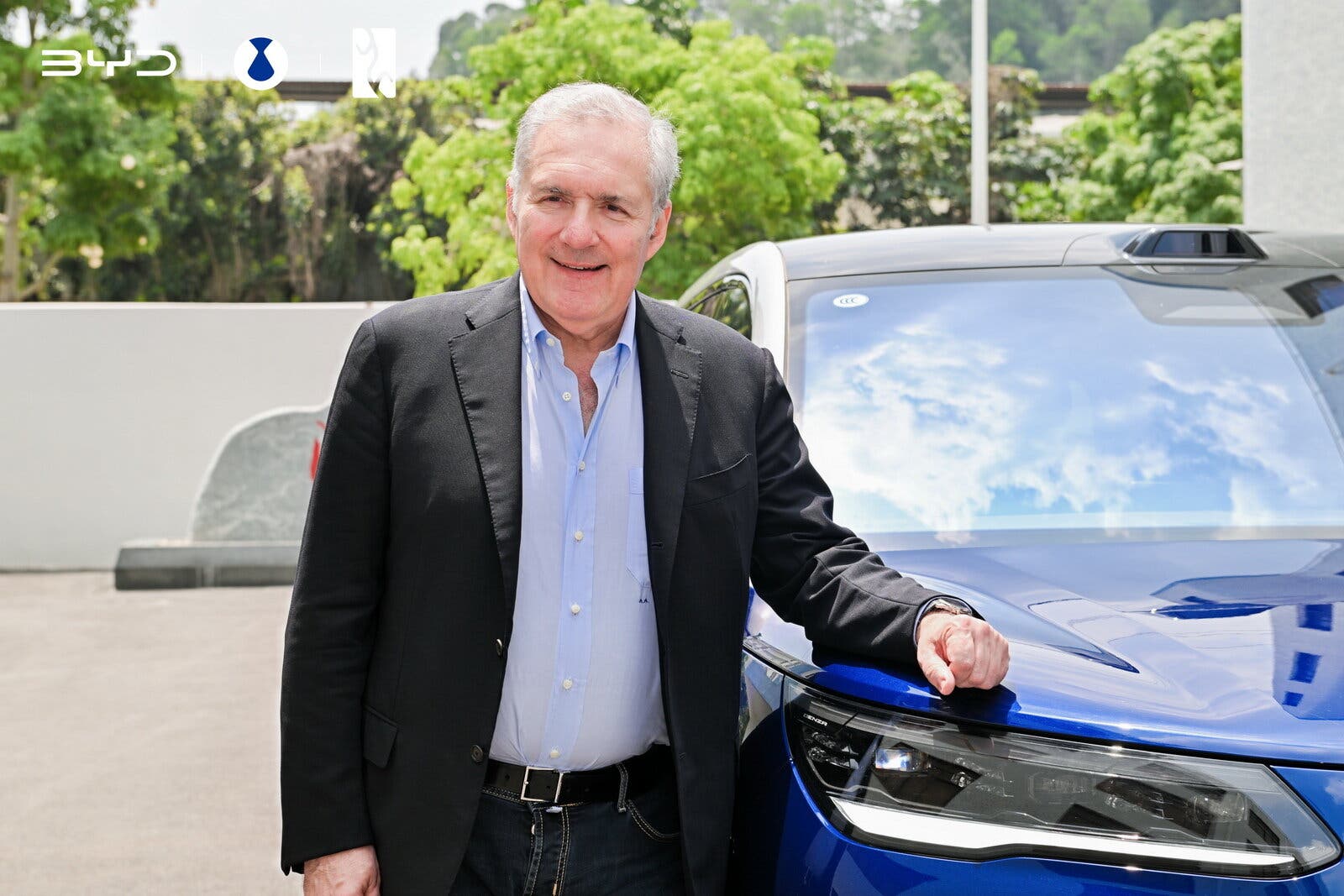
The singular metric that matters is whether a facility can bend to the strict, hyper-efficient industrial requirements of the Shenzhen powerhouse. For Mirafiori and Cassino, two production plants trapped in a seemingly endless cycle of state-subsidized layoffs and corporate existential dread, becoming a strategic outpost for a Chinese tech giant is a bitter twist of fate.
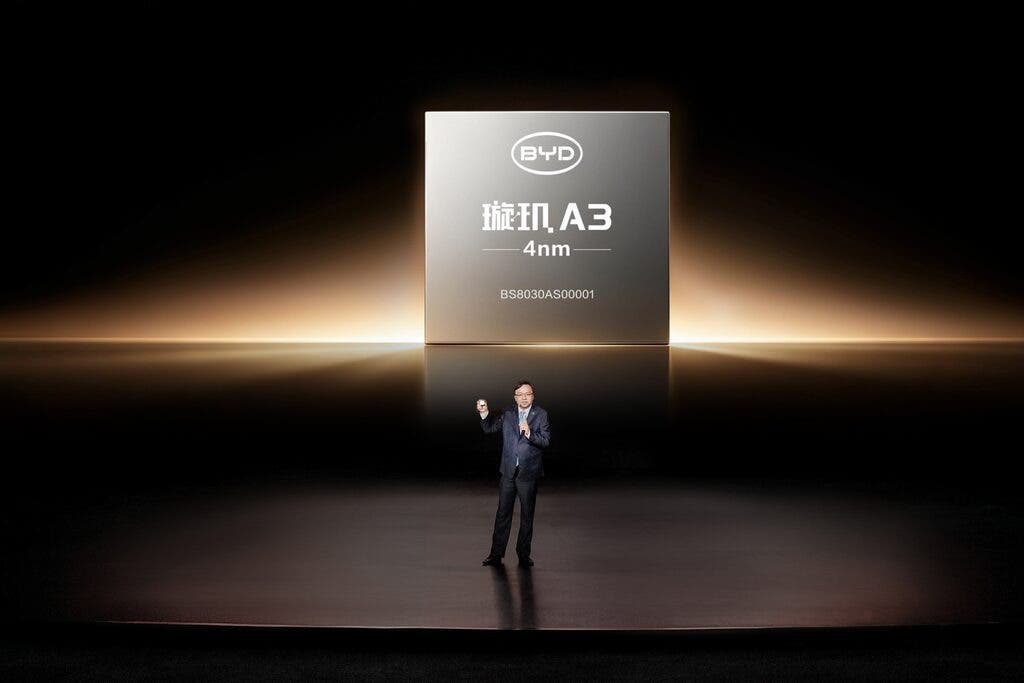
BYD is rapidly shifting the battlefield away from basic battery capacity toward advanced artificial intelligence, cloud services, and cutting-edge autonomous driving architectures. BYD is already flaunting its advanced Xuanji A3 chip as concrete proof of its generational technological supremacy. According to Altavilla, European OEMs are already severely lagging behind in the basic EV race, and they are practically running backward when it comes to integrating intelligent automotive platforms that actually simplify daily driving.
To drive the point home, Altavilla directly invoked Sergio Marchionne’s famous industry manifesto, “Confessions of a Capital Junkie”, warning that Europe’s current crop of sluggish CEOs should desperately re-read it before they are completely consolidated out of existence by competitors who actually know how to adapt.