Twenty-five percent: this number has the grace of a sledgehammer, and it’s exactly what Donald Trump is dropping on the hoods of European cars and trucks starting next week. Citing a blatant lack of respect for trade agreements, the US President has decided that the “Turnberry Agreement”, signed with much fanfare in Scotland last summer, is effectively a dead letter. If you want to sell a car, you’d better weld it in Pennsylvania. If you don’t? Prepare to contribute billions to the US Treasury.
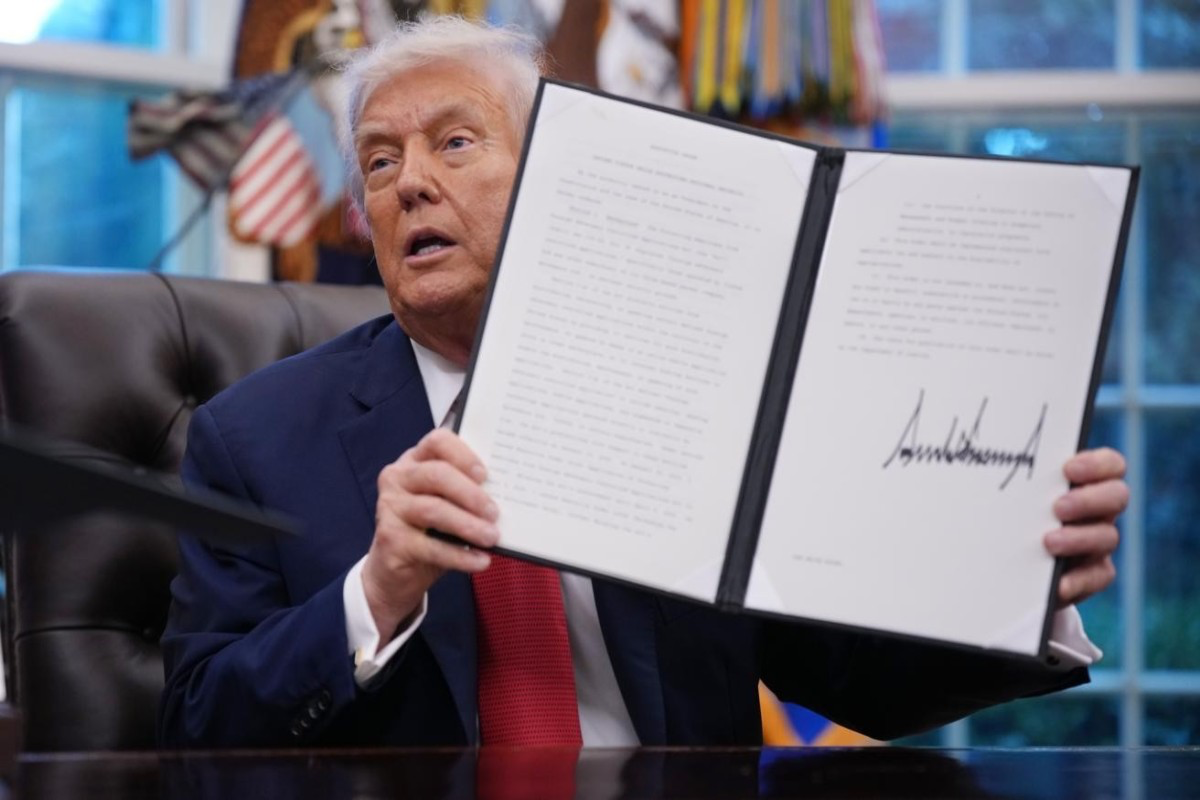
The heart of the dispute lies in the classic clash between American “do it now” impatience and the glacial pace of Brussels’ bureaucracy. While Washington implemented the agreed-upon tariff reductions to 15% back in August, the European Union is still busy debating the fine print.
European legislators aren’t expected to finish their homework until June, but Trump isn’t interested in waiting for a permission slip from the European Parliament. To him, eight months of “implementation” is just another word for “stalling”. Bernd Lange of the European Parliament may call the move “unacceptable” and “unreliable”, but the reality is that the 25% hammer is already swinging.
The market reaction was as predictable as a traffic jam in Milan. Ford, Stellantis, and GM all saw their stocks dip as investors braced for the fallout. Meanwhile, the big European players are already reading the writing on the wall. Mercedes, having already seen its operating profit slashed partly due to a billion-euro tariff bill, is doubling down on Alabama, shifting GLC production from Germany to the land of cotton and barbecue.
But this isn’t just about bumpers and emissions standards. There’s a distinct scent of geopolitical revenge in the air. Between Europe’s refusal to back the US stance on Iran and German Chancellor Friedrich Merz suggesting the US was being “humiliated” in Middle East negotiations, Trump’s patience has clearly redlined. Threatening to pull troops out of Germany, Italy, and Spain was just the opening act; the 25% tariff is the encore.