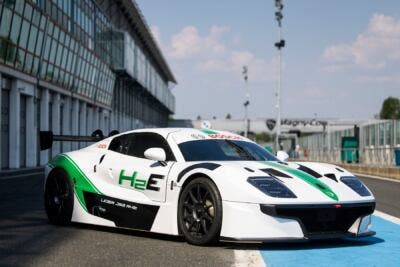
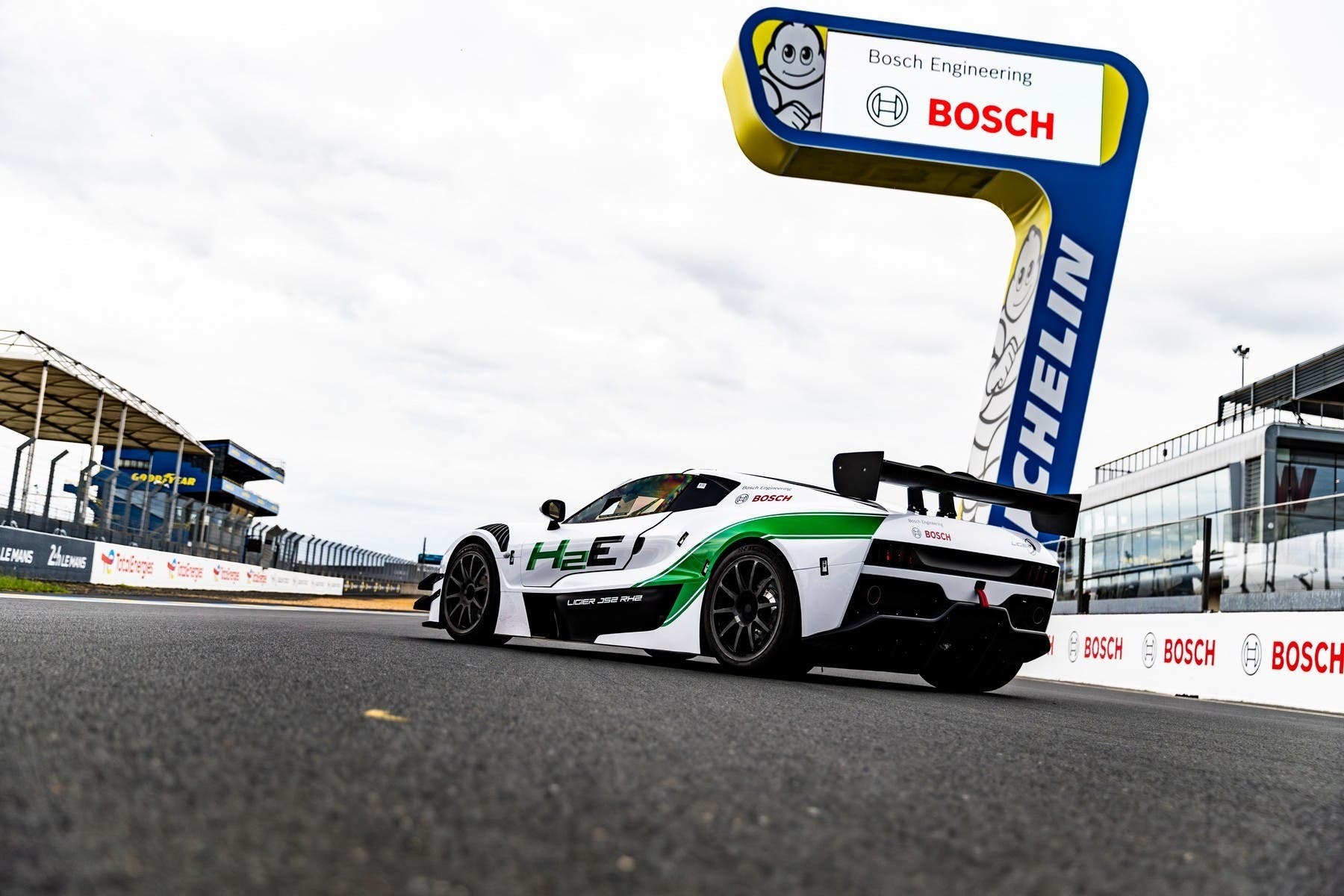
Bosch Motorsport has converted Maserati’s 3.0-litre twin-turbo Nettuno V6 to direct hydrogen combustion, installing the modified engine in the Ligier JS2 RH2, a racing prototype that Bosch will display in the paddock during the FIA WEC weekend. The car will also run on the Circuit de la Sarthe shortly before the start of the 2026 24 Hours of Le Mans. The project does not use fuel-cell technology. Hydrogen does not generate electricity on board; instead, the engine injects it directly into the combustion chamber, with a mechanical operation similar to that of a petrol engine.
Bosch and Maserati test hydrogen power at Le Mans with a Ligier prototype
The technical work focused in particular on the pistons, with optimized geometry, as well as the compression ratio, injection system, ignition system and electronic control unit. Bosch replaced the Nettuno’s original combined injection system with its HIDI LCV injectors, developed to improve combustion stability, torque and overall engine efficiency. The cylinder head and turbocharger remain those of the original engine, confirming the intention to maintain as much continuity as possible with the Nettuno’s basic architecture.
The performance figures exceed those of the petrol version. In hydrogen configuration, the Nettuno reaches 652 hp and 880 Nm of torque, compared with 630 hp and 730 Nm for the conventional version. The increase in power, and above all in torque, suggests that hydrogen does not necessarily represent a compromise in an engine designed for high performance. Instead, it can even become a performance advantage.
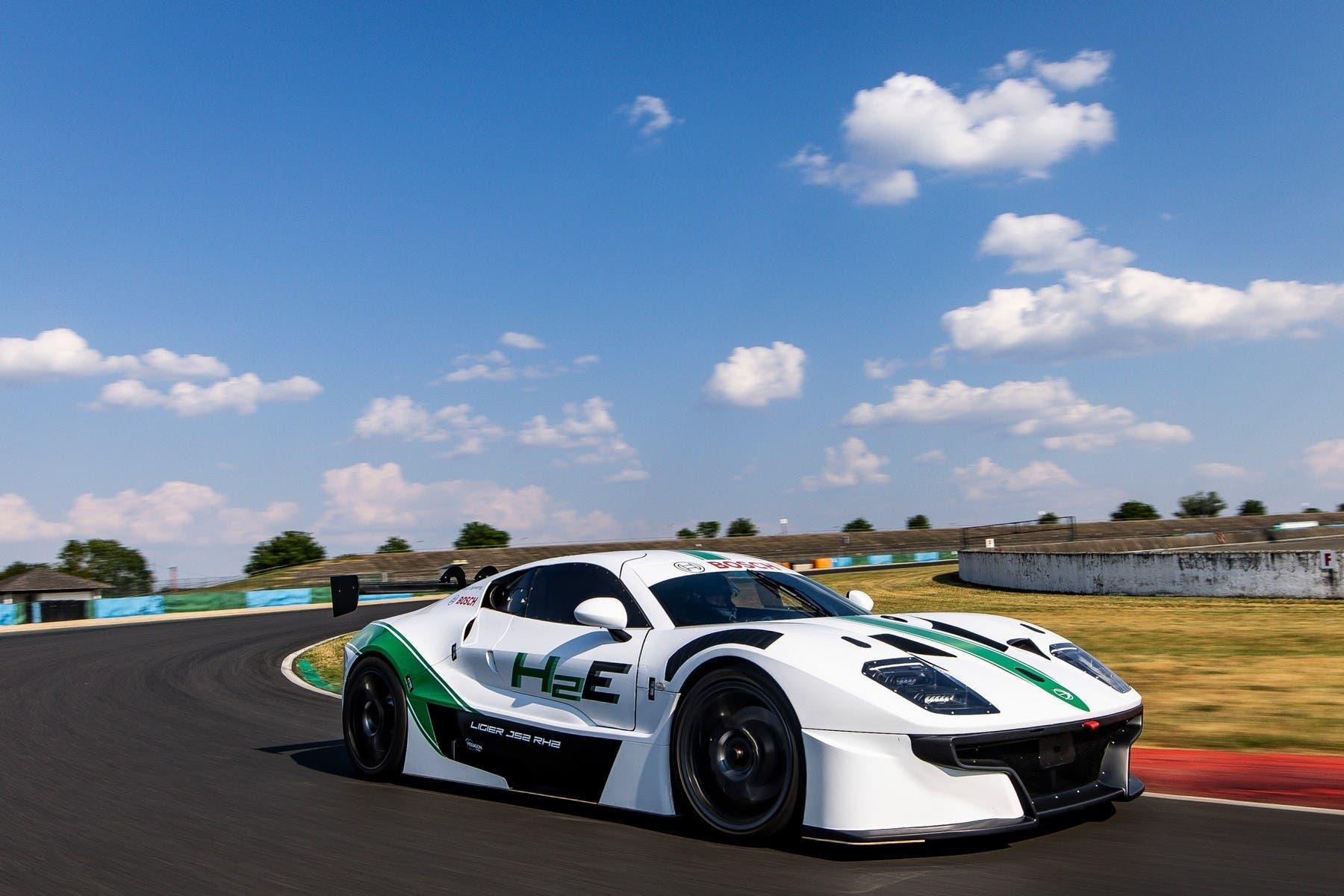
For Maserati, the project also carries strategic significance. The Nettuno ranks among the most representative engines of the Modena-based brand’s recent production, and its adaptation to hydrogen opens an alternative path to full electrification for high-performance sports cars. The Ligier JS2 RH2 will act as a mobile laboratory, collecting real-world data on system durability and on the technology’s possible application beyond racing.
Ingo Mauel, head of Bosch Motorsport, described the direct collaboration with Maserati as a key element in accelerating the development of a technology that still remains far from series production. However, the project aims to demonstrate that carmakers can drastically reduce tailpipe CO₂ emissions without abandoning internal combustion.