

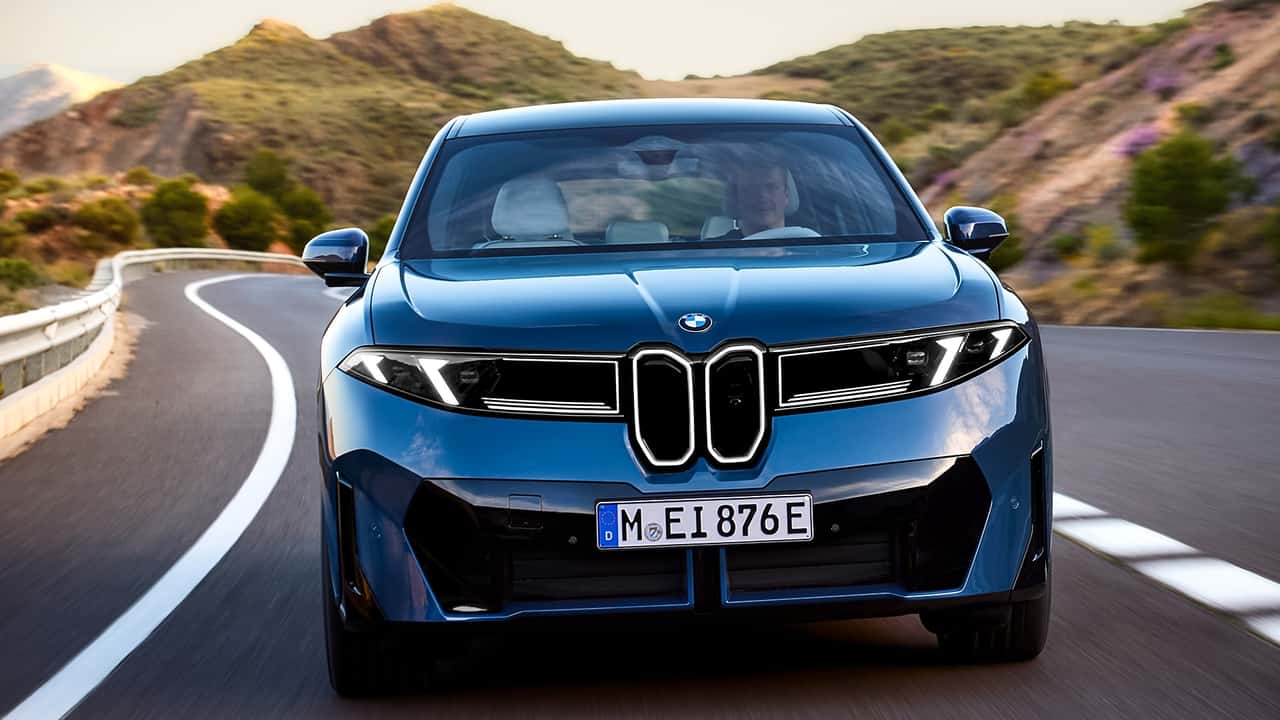
Welcome to the grand debut of BMW‘s highly anticipated Neue Klasse revolution, which is currently making waves for all the wrong, literal reasons. The flagship battery-electric SUV, the iX3, was supposed to be Munich’s ultimate weapon to conquer the EV landscape, rolling off the lines of the shiny new Debrecen plant in Hungary under a frantic two-shift production schedule. Instead, a rather shocking electronic glitch has turned this automotive savior into a rolling hazard.
According to Germany’s Federal Motor Transport Authority (KBA), a critical defect in the electronic charging system can inadvertently cause voltage to bleed onto the vehicle’s body during charging.
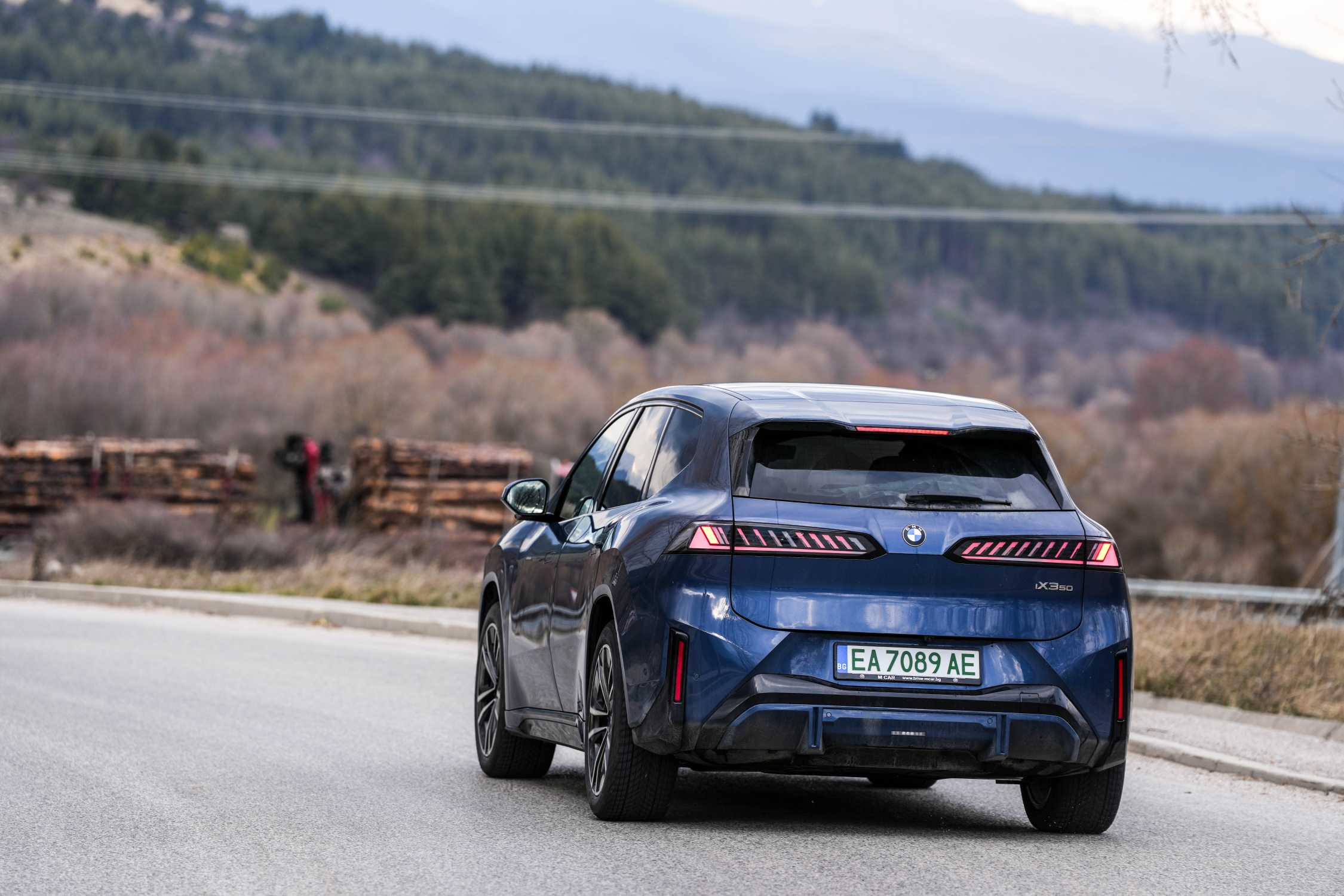
The issue lies deep within the comfort charging electronics, specifically the on-board charger designed to handle the iX3’s blazing 400 kW charging capability. For now, fortune favors Munich. The KBA database (reference number KBA 16565R) and BMW’s internal campaign (code 0061750900) note that no severe injuries or property damage have been reported yet.
The damage control is remarkably localized but highly embarrassing. The recall impacts exactly 145 vehicles worldwide manufactured between November 25, 2025, and February 20, 2026. Twenty-eight of these electrified hot potatoes are registered in Germany, and according to the insiders at Bimmer Today, routine product audits caught the glitch just in time. Hungry buyers will have to wait until technicians swap out the faulty hardware, proving that even a 63,400-euro entry point cannot buy immunity from premature assembly line gremlins.
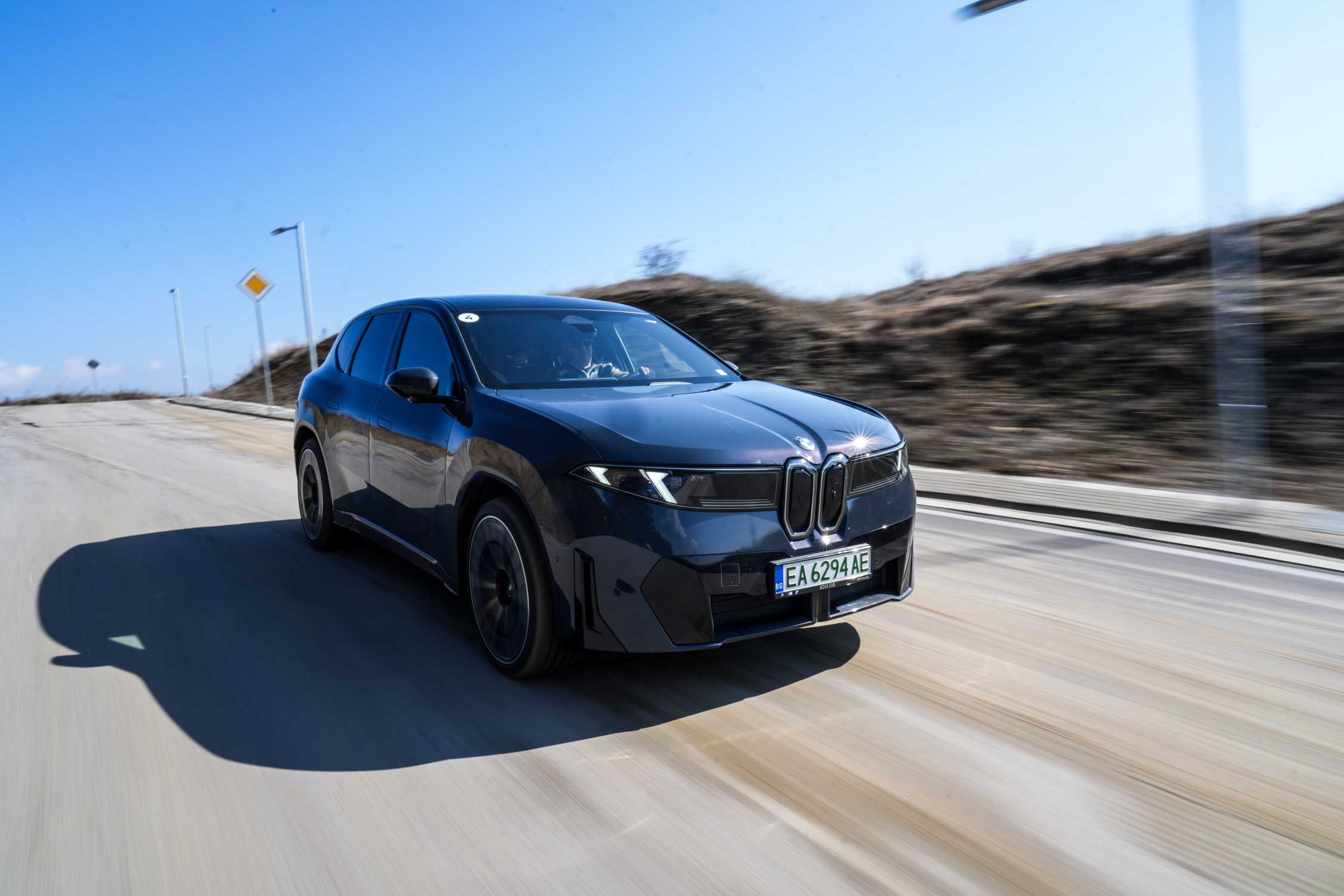
The newly minted base model, the rear-wheel-drive iX3 40, pairs a 235 kW motor with an 82.6 kWh battery to claim a comfortable 635 kilometers of range. Meanwhile, the dual-motor powerhouse, the iX3 50 xDrive, pumps out 345 kW of system power, utilizing a massive 108 kWh battery to promise a staggering 805 kilometers of autonomy.
They are beautiful, hyper-efficient specifications meant to define the next century of BMW motoring. But as snail-mail notices head out to worried owners, Munich is learning a timeless lesson: before you promise to charge into the future at 400 kW, you should probably make sure your customers can touch the car without getting zapped.