

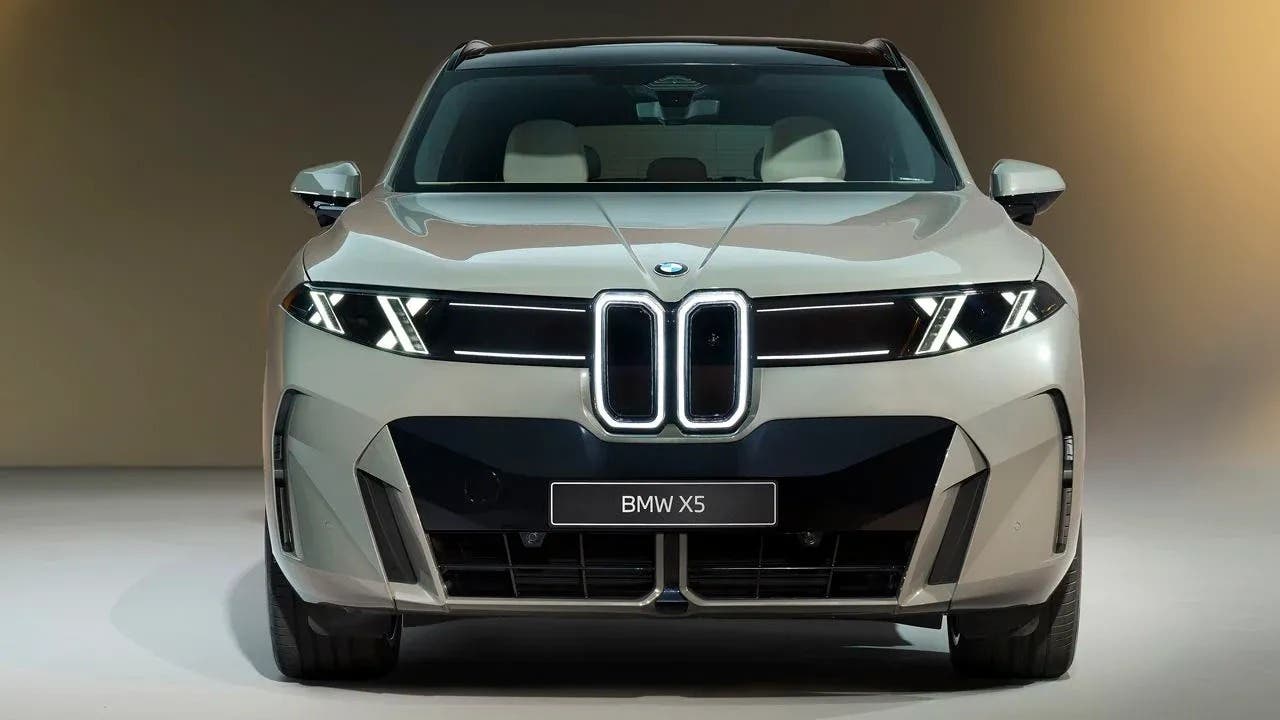
The new BMW iX5 uses the multi-energy CLAR platform, while the iX3 and i3 rely on the Neue Klasse architecture, which BMW created specifically for electric vehicles. The company chose to keep its large SUV on the same foundation as the other X5 variants because the next generation will offer five different powertrains and must serve markets where the transition to battery-powered cars is moving at very different speeds.
BMW iX5 combines the CLAR platform with Neue Klasse technology
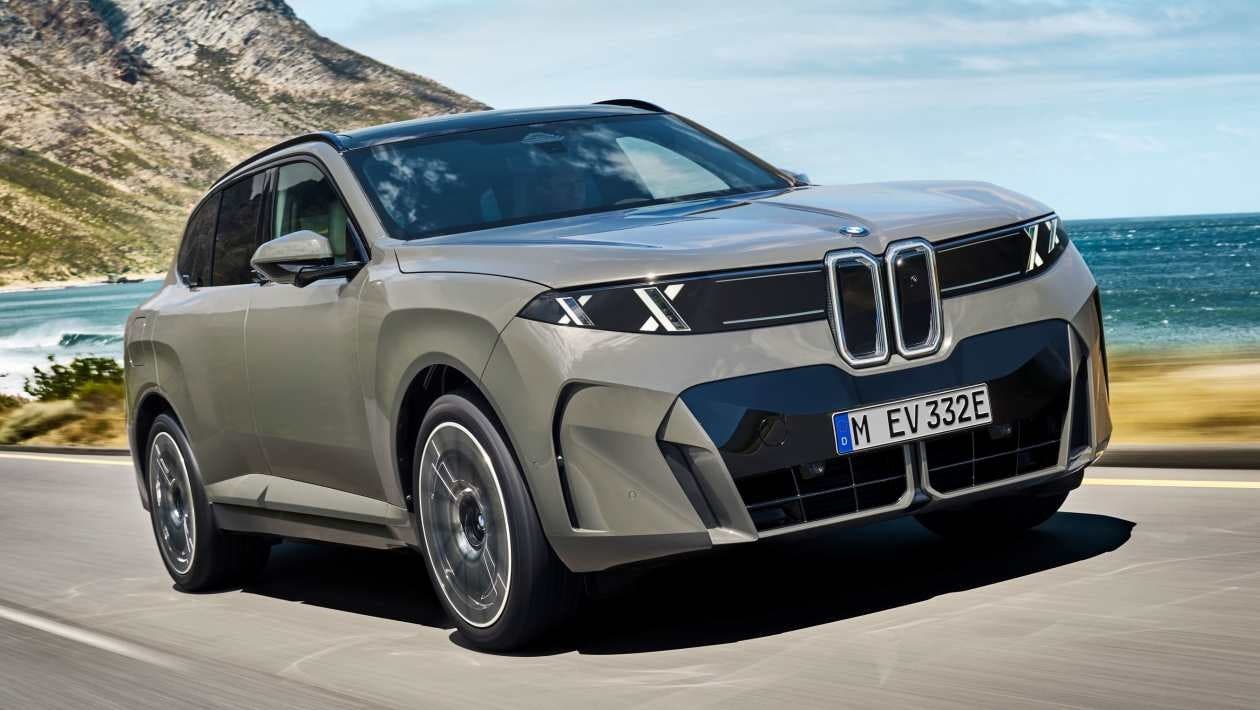
BMW will assemble the entire X5 family at its Spartanburg plant in the United States, where the CLAR architecture allows electric, hybrid, and combustion-powered versions to share the same production lines. The United States remains the model’s most important market, and a common platform gives BMW greater freedom to adjust production according to demand without dedicating part of the factory exclusively to the iX5. Adopting the Neue Klasse architecture would also have required new equipment, changes to logistics, and further investment.
The decision to retain CLAR does not prevent the iX5 from using much of the technology developed for Neue Klasse models. The SUV features an 800-volt electrical system, new Gen6 cylindrical battery cells, and the Heart of Joy control unit, which manages the electric motors, energy recovery, and driving dynamics. BMW has therefore transferred its latest components to the existing platform without redesigning the entire production architecture of the X5 range.
The iX5 60 xDrive uses a battery with 141 kWh of usable capacity and offers an estimated WLTP range of between 645 and 845 kilometers. It also supports DC fast charging at up to 460 kW. The two electric motors produce a combined 578 hp and take the SUV from 0 to 100 km/h in 4.6 seconds, although the vehicle’s considerable weight may affect its overall efficiency and handling.
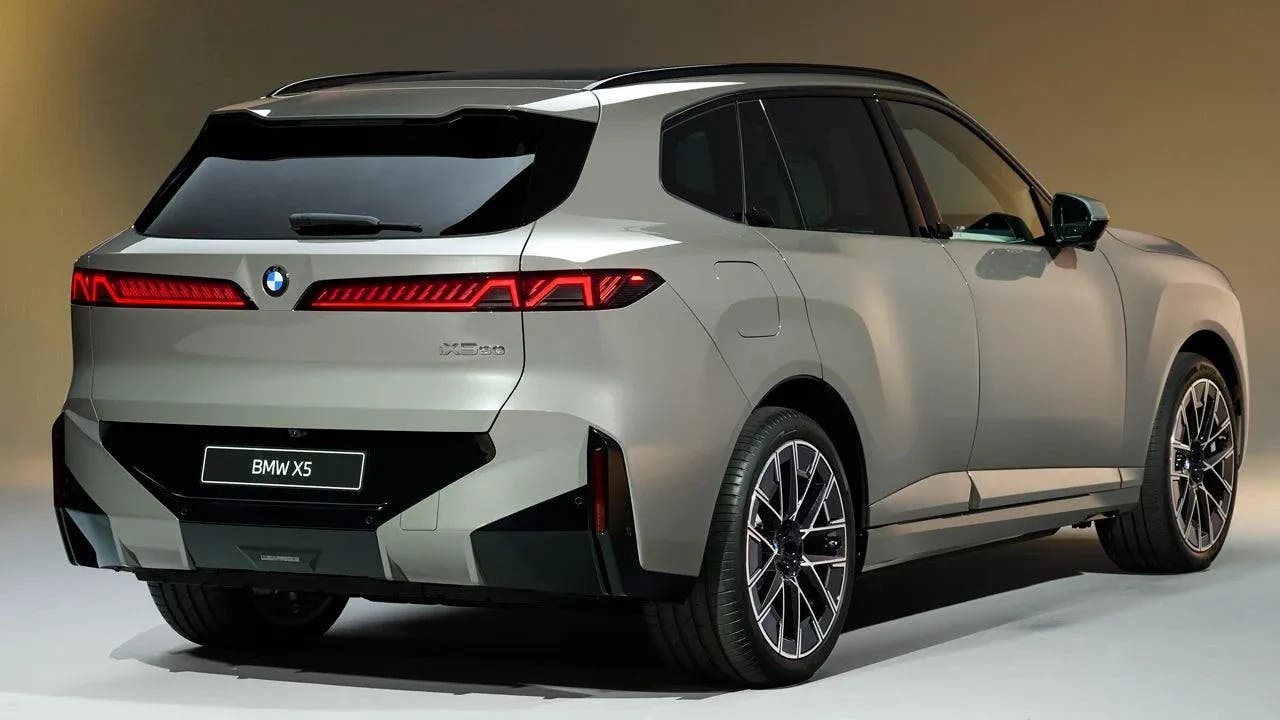
The official specifications list a curb weight of 2,900 kg. The large battery contributes heavily to that figure, but the multi-energy platform also adds weight because BMW designed it to accommodate several types of powertrain.
By contrast, the Neue Klasse architecture used by the iX3 and i3 integrates the battery pack more efficiently into the vehicle structure, making better use of the available space and reducing the need for additional reinforcement.
BMW has prioritized production flexibility over the benefits of a dedicated electric platform while retaining equipment such as air suspension and rear-wheel steering. The new BMW iX5 therefore does not use the Neue Klasse platform. Instead, it combines the CLAR architecture of the other X5 models with batteries, motors, and electronics developed for BMW’s new generation of electric vehicles.