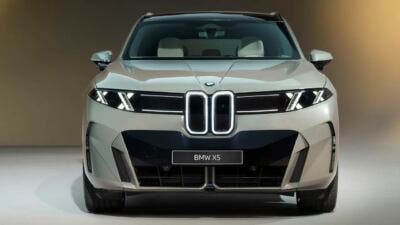
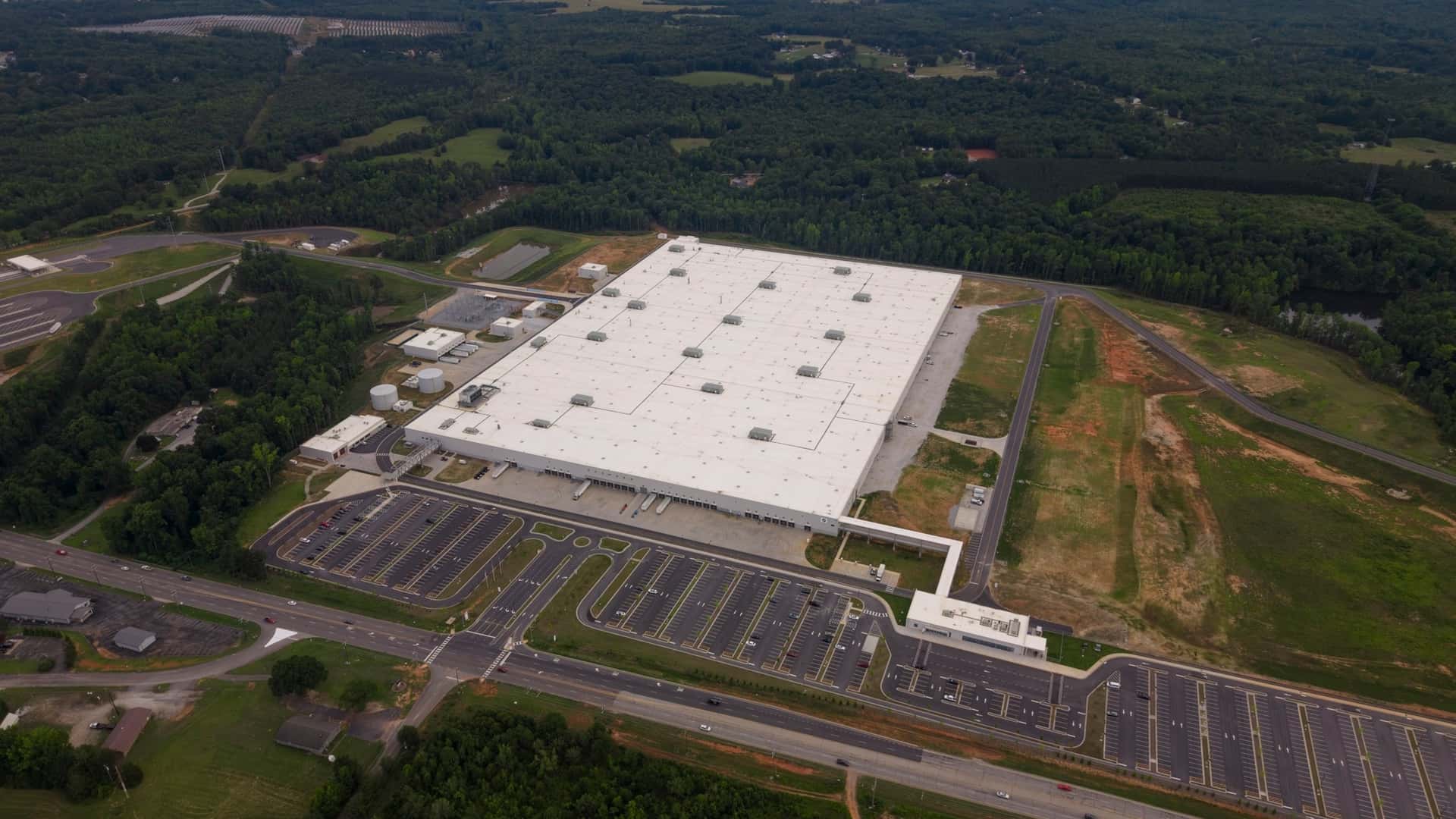
BMW has chosen to double down instead of hitting the panic button. While competitors delay investments and grumble about shifting federal incentives, the Bavarians are cutting massive checks. Starting this December, BMW will officially launch mass production of the high-voltage battery packs destined for the upcoming iX5 SUV at its brand-new Plant Woodruff facility in South Carolina.
Rather than crossing its fingers and waiting for overseas cargo ships to clear customs, BMW is bringing battery pack assembly strictly in-house. Dropping billions on domestic infrastructure upfront is undeniably capital-intensive, but it stands as a masterclass in long-term strategic insulation against geopolitical drama, supply chain hiccups, and sudden tariff tantrums. Even better, Plant Woodruff sits just 15 miles away from Plant Spartanburg, where the iX5 itself is assembled. That tiny commute will save BMW a small fortune in transportation and logistics alone.
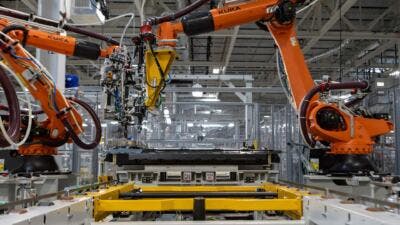
Inside the Woodruff facility, roughly 300 technicians work alongside 250 precision assembly robots, using virtual reality and artificial intelligence to catch tiny defects before they become headline news.
The cells themselves come from Japanese battery maker AESC (majority-owned by China’s Envision Group). Although AESC’s own South Carolina cell plant was paused last year after the Trump administration pulled back EV incentives, BMW adapted without breaking stride, sourcing the Gen6 cylindrical cells from an undisclosed alternative location. Standing 120 millimeters tall, these new cells pack 30% more usable energy than the 95-mm cells powering the older iX3.
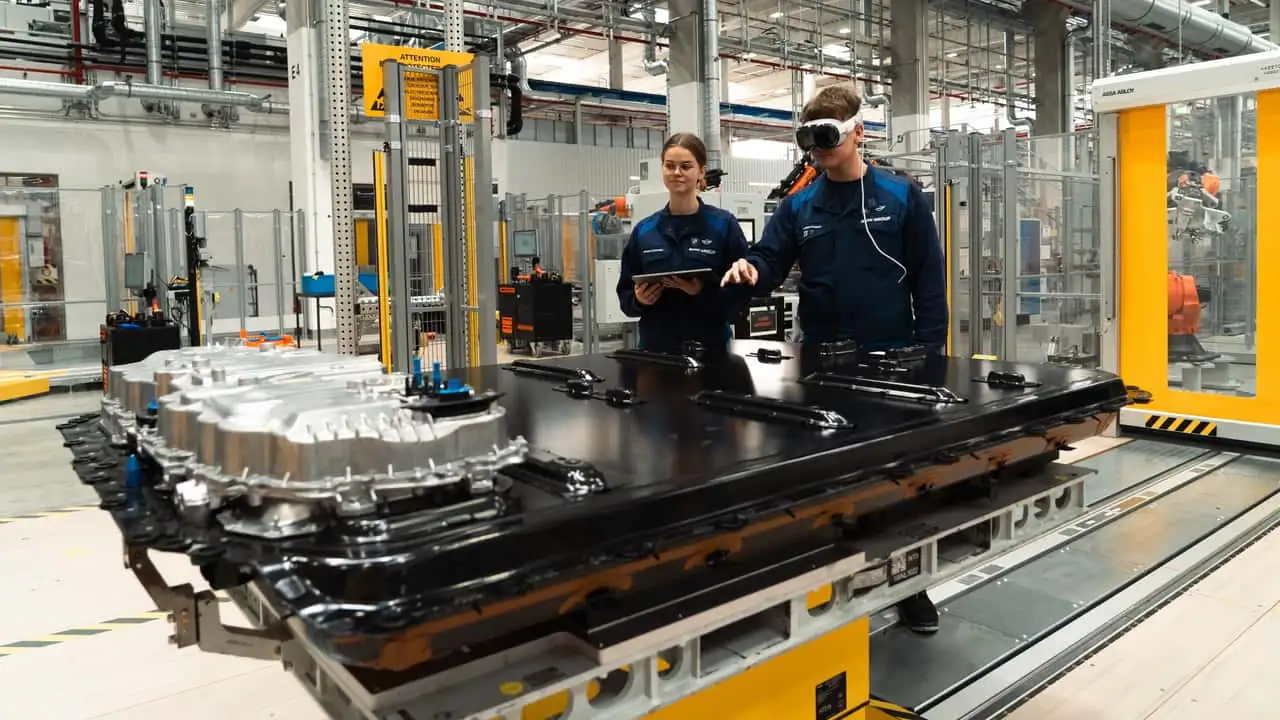
Boasting 144 kilowatt-hours of usable capacity in the US, it delivers a BMW-estimated range of 435 miles. And despite storing enough juice to light up a small neighborhood, it charges from 10 to 80 percent in a brisk 22 minutes thanks to a peak charging rate of 460 kilowatts.
Technicians verify individual cell voltages, cluster them around cooling components, laser-weld the assembly, and inject a special foam that hardens into a protective, solid block. Once sealed, workers attach the “Energy Master” with dedicated glues and seals. Following a final quality check, the finished pack takes a short truck ride to Spartanburg to meet its vehicle chassis.
This “local for local” philosophy isn’t exclusive to Palmetto State soil either. BMW is rolling out identical setups in Debrecen (Hungary), Lower Bavaria (Germany), Shenyang (China), and San Luis Potosí (Mexico).