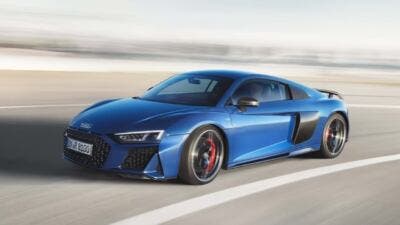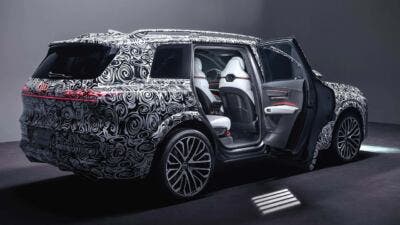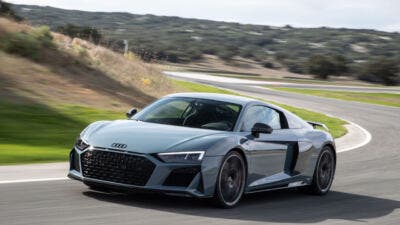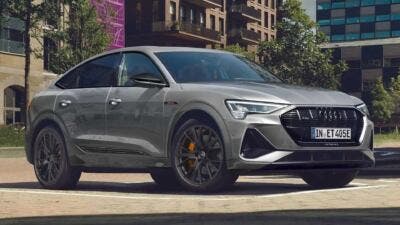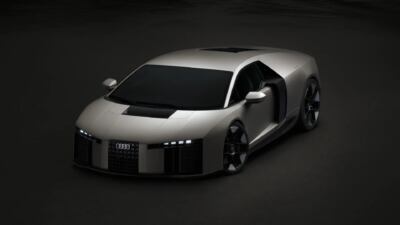
Audi unveiled the Nuvolari without previews, teasers, leaks or promotional videos, an unusual move for Ingolstadt and one that fits the exclusive nature of a model limited to 499 units. Deliveries are expected in the first half of 2027, while the price will be around €600,000, equal to roughly $700,000 at current exchange rates. The supercar pays tribute to Tazio Nuvolari, the Mantua-born Auto Union driver of the 1930s whom many still consider one of the greatest racing drivers of all time. It also marks Audi’s return to the high-performance car segment, introducing a more emotional and radical design language for the brand.
Audi unveils the Nuvolari, a radical 987 hp supercar limited to 499 units
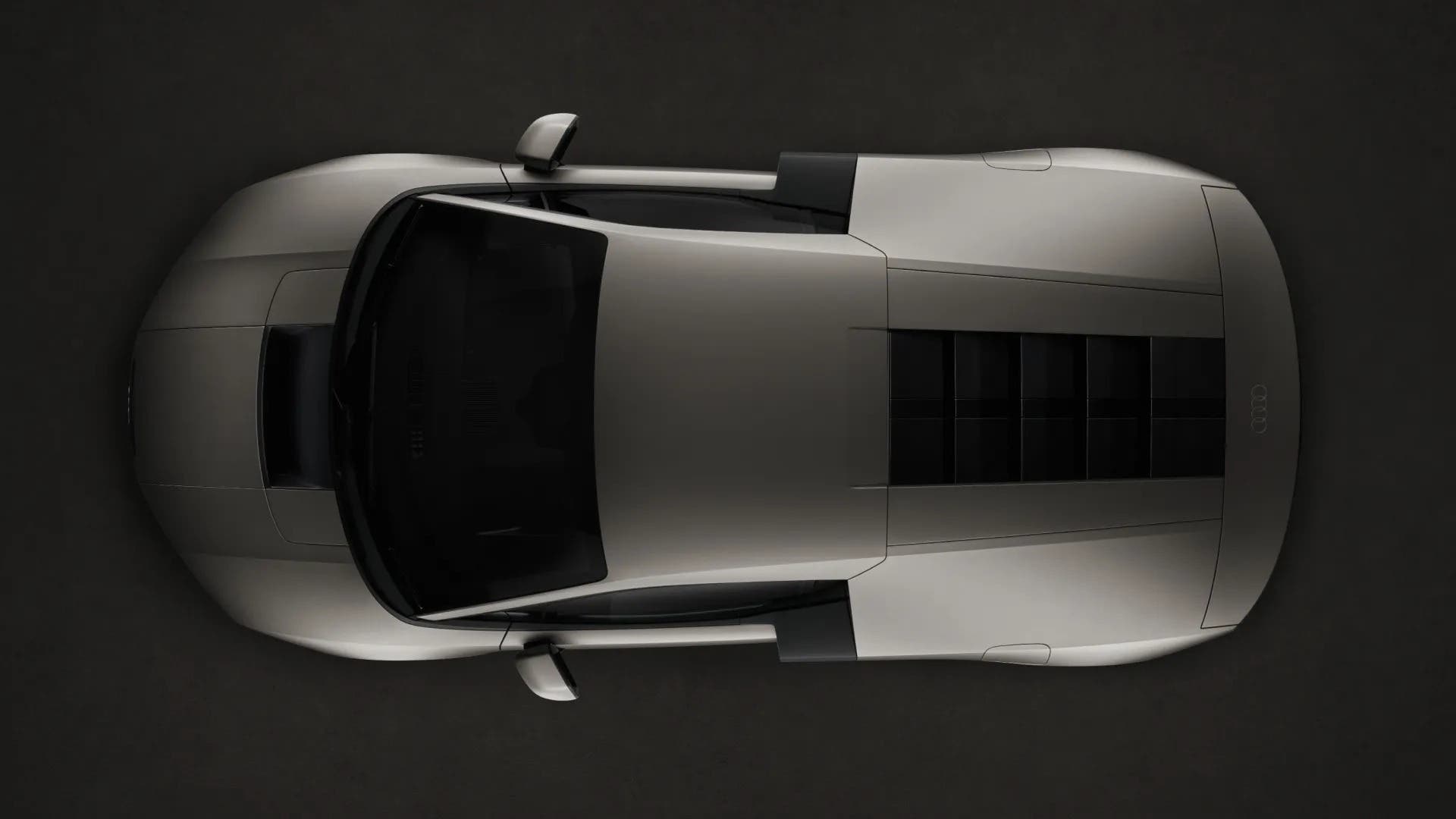
The powertrain combines a mid-mounted 4.0-litre twin-turbo V8 producing 800 hp and 730 Nm on its own, with a maximum rev limit of 10,000 rpm. Three 110 kW axial-flux electric motors support it: two on the front axle and one positioned between the combustion engine and transmission. A 7.3 kWh lithium-ion battery powers the electric units. Total output reaches 987 hp, equivalent to 736 kW. These figures allow the Nuvolari to accelerate from 0 to 100 km/h in 2.6 seconds, reach 200 km/h 4.2 seconds later and exceed 350 km/h at full speed. The technical relationship with the Lamborghini Temerario clearly emerges from the numbers and the powertrain architecture.
Audi has updated the all-wheel-drive system with predictive logic that analyses steering angle, acceleration, yaw and available grip. The system then adjusts torque distribution, braking and active aerodynamics to anticipate possible losses of traction. The driver can choose between four steering-wheel modes: E-Hybrid, Balanced, Dynamic and Dynamic+. A Track mode adds dry, wet and race settings, while also allowing the driver to fully deactivate the electronic controls.
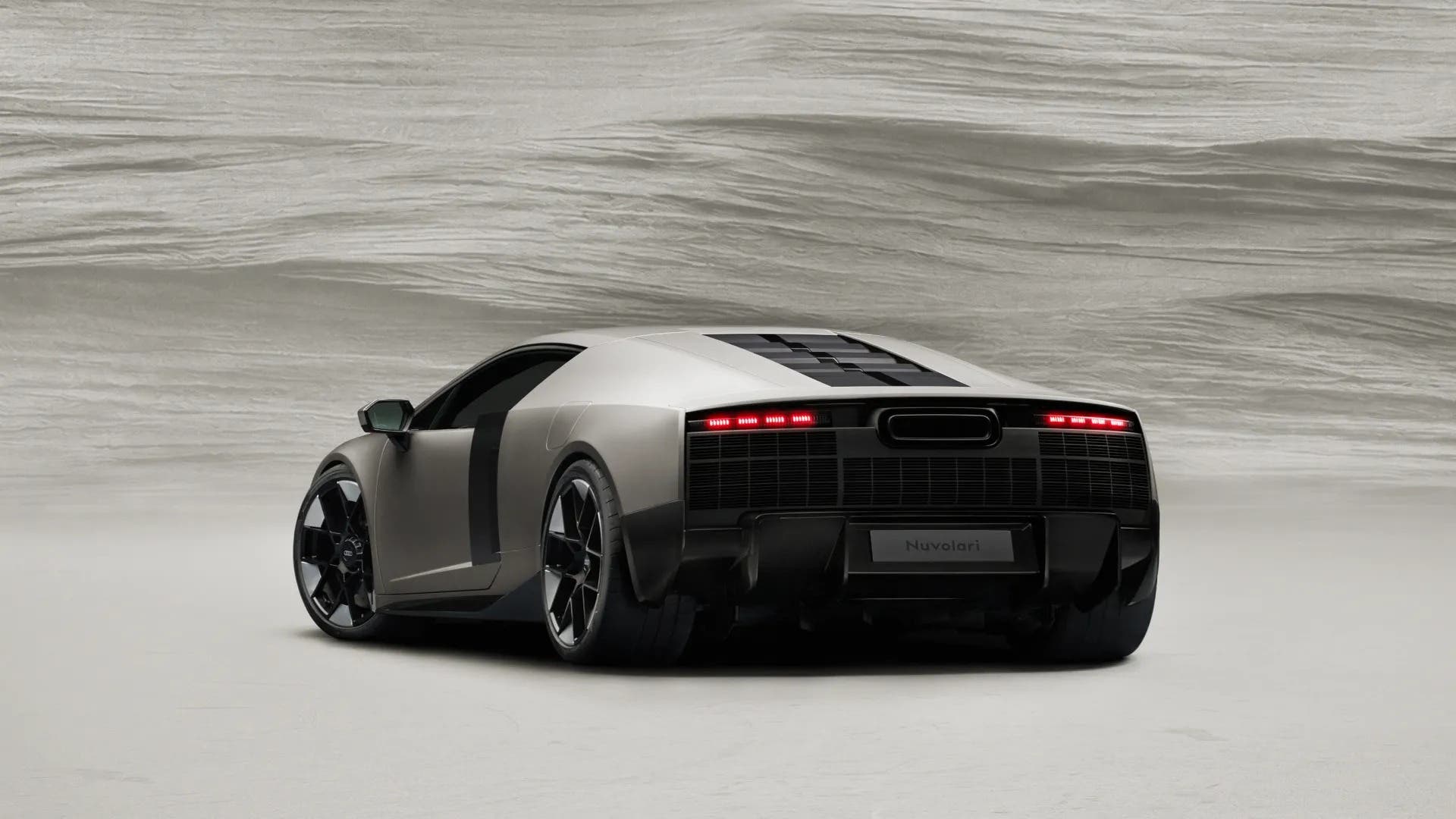
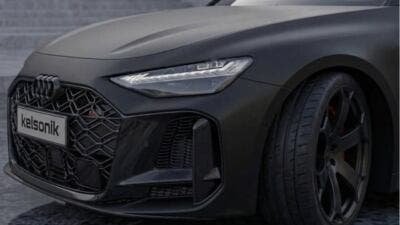
In design terms, the Nuvolari blends elements of the R8 with influences from the Concept C. It features a carbon-fibre body, a front end dominated by a large vertical grille, slim headlights, a splitter and an S-duct. The aluminium grille uses blades folded at different angles to manage aerodynamic flows, while carbon-fibre panels and a modern reinterpretation of Audi’s historic side blades appear along the flanks. The forged centre-lock wheels represent a first for a series-production Audi model.
The Audi Ceramic Pro braking system uses 420 mm front discs with ten-piston calipers and 410 mm rear discs with four-piston calipers. At the rear, the three-position active wing generates more than 400 kg of downforce in optimal conditions.
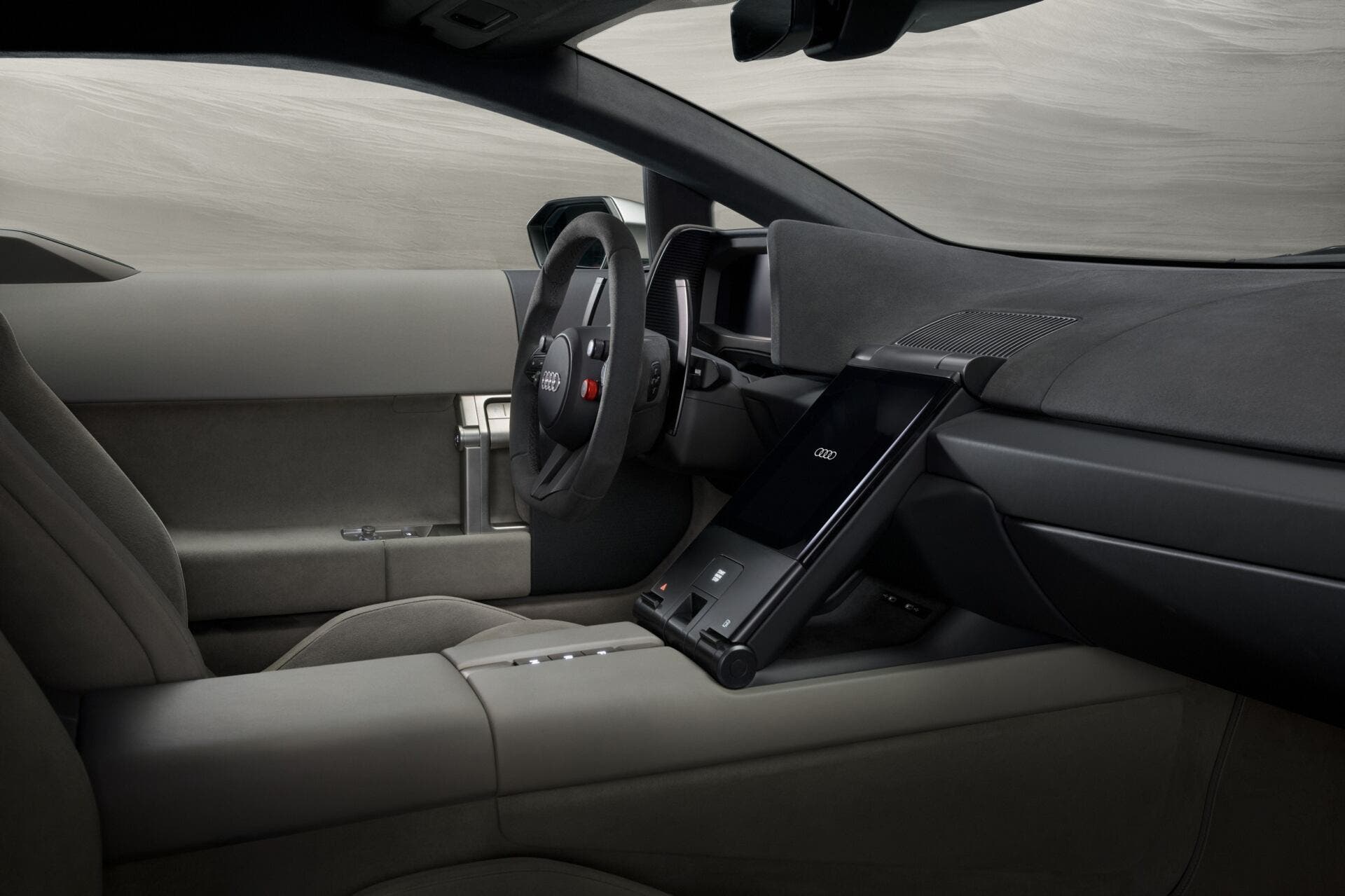
Inside, the Nuvolari adopts a minimalist layout with carbon-fibre shell seats, a digital instrument cluster and a vertical infotainment screen. The model uses an Audi Space Frame chassis. More than a simple heir to the R8, the Nuvolari appears designed to restore emotion, mechanical drama and exclusivity to Audi’s performance image. In a market where supercars increasingly balance electrification and combustion, Ingolstadt has chosen a limited-run hybrid flagship to remind enthusiasts that Audi can still build something extreme.