Six months after taking office, Antonio Filosa already finds himself fully immersed in the contradictions running through Stellantis. It is a global group with an extremely broad brand portfolio, operating in an industrial landscape that, especially in the United States, has changed faster than expected. And yet, speaking from the Detroit Auto Show, the new CEO strikes a surprisingly upbeat tone. “I’m having fun,” he says openly, emphasizing the satisfaction of leading a complex organization rich in both human and industrial potential.
Antonio Filosa’s first six months at Stellantis mark a shift toward pragmatism
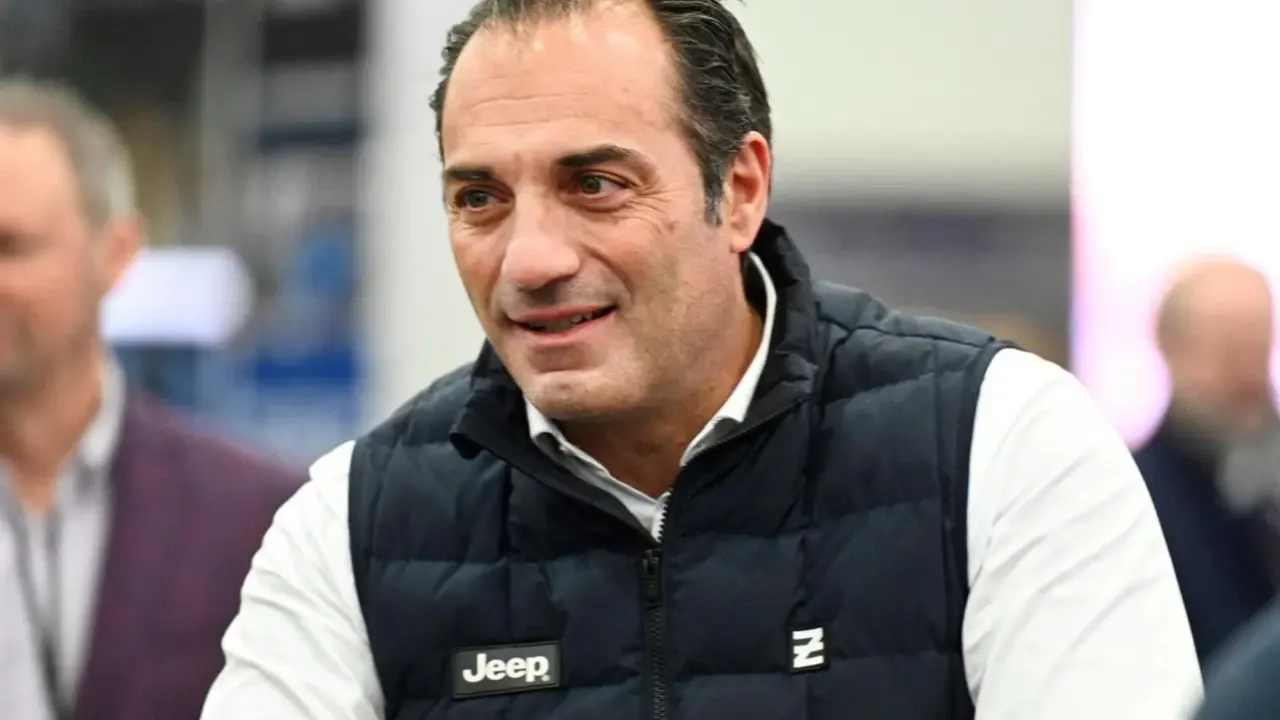
Filosa does not deny the challenges. His arrival at the helm of the group in June coincided with a delicate phase for the North American automotive industry, marked by new trade barriers, scaled-back EV incentives, and increasingly unpredictable demand. In this context, Stellantis has had to revisit decisions made only a few years ago. The response, however, has not been ideological. Instead, the group has opted to recalibrate its strategy, slowing down certain electric projects while once again placing value on internal combustion engines and hybrid solutions that better reflect real market needs.
In the United States, this shift is already producing early results, particularly in terms of relationships. Ties with dealers, historically strained in recent years, are improving, as is dialogue with labor unions after a period of intense friction during the Carlos Tavares era. Filosa promotes a hands-on approach built on constant presence and day-to-day engagement, convinced that industrial stability starts with people.
This direction is further reinforced by a $13 billion investment plan in the Midwest, the largest ever announced by the group. According to estimates, the initiative could translate into around 25,000 new jobs when considering both direct employment and the broader supply chain. It sends a strong political and industrial signal at a time when many automakers are pulling back.
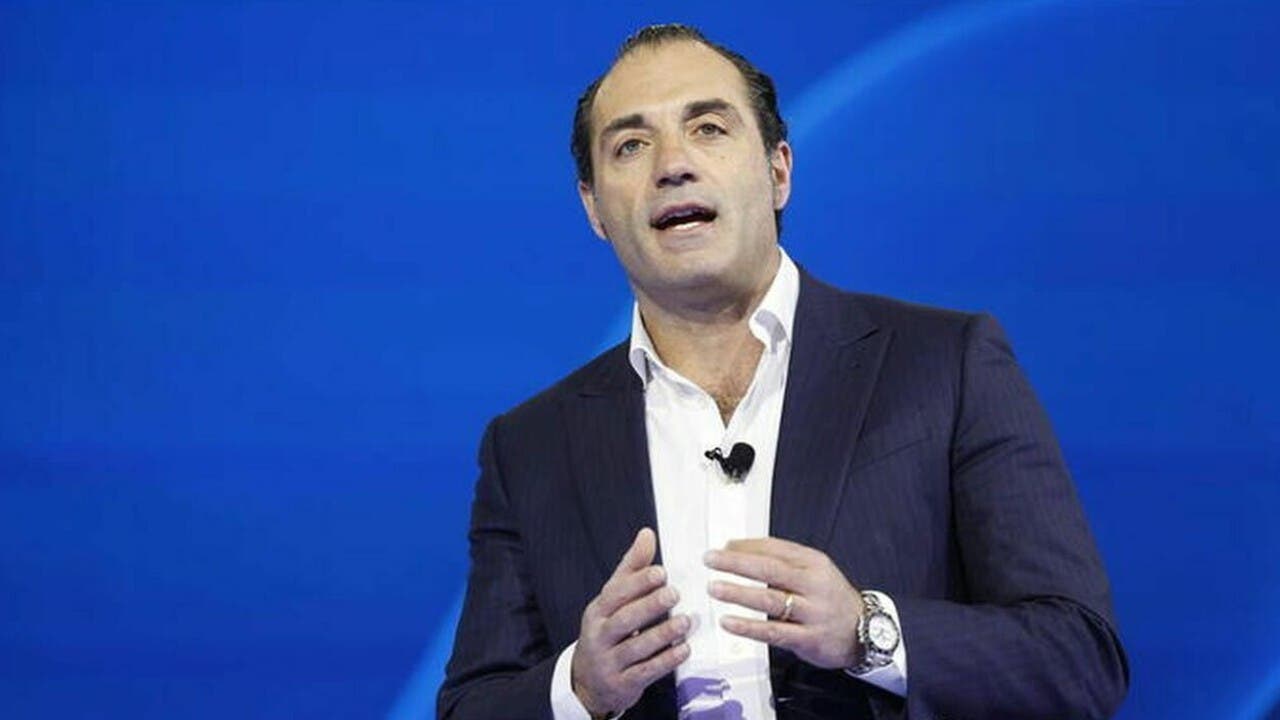
On the product front, flexibility is the key word. Temporary pauses on plug-in hybrids, revisions to certain electric models, and the return of solutions such as range-extender powertrains or HEMI V8 engines are not viewed by Filosa as steps backward. Instead, he sees them as an expansion of the choices offered to customers. There is no push for technological dogma, but rather a mix of solutions designed for markets with very different characteristics.
Finally, there is the question of brands. Stellantis’ portfolio is both a privilege and a responsibility. Filosa does not rule out rationalization or realignment, but he postpones any major strategic decisions until the 2026 Capital Markets Day. It will be then that it becomes clear whether this first phase, experienced with unexpected enthusiasm, will truly mark the beginning of a new era for Stellantis.