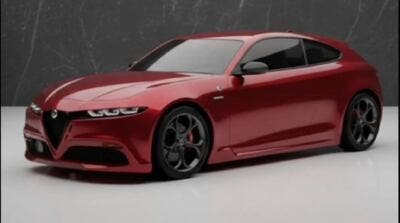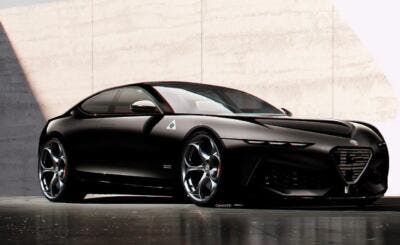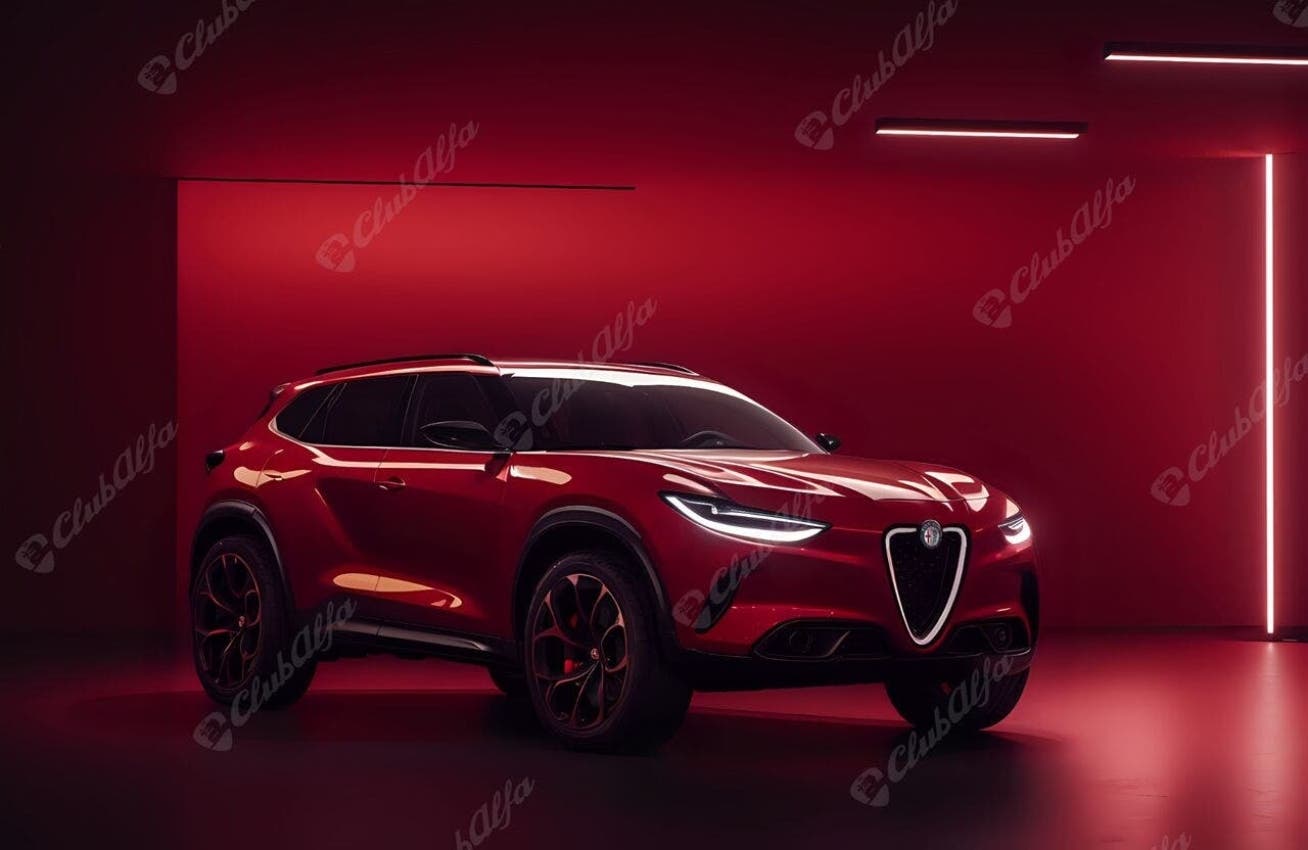
Alfa Romeo had long considered entering the E-segment with a large SUV designed primarily for the U.S. market. It would have been an imposing model, close to five meters in length, and according to rumours it might even have been built in a Stellantis plant in Detroit to boost its presence in North America, where the brand has struggled for years. Former CEO Jean-Philippe Imparato had nicknamed it the “E-Jet” and openly described the project as something unprecedented, even on a global automotive scale.
Alfa Romeo drops its E-Segment SUV plans: strategic shift or missed opportunity?
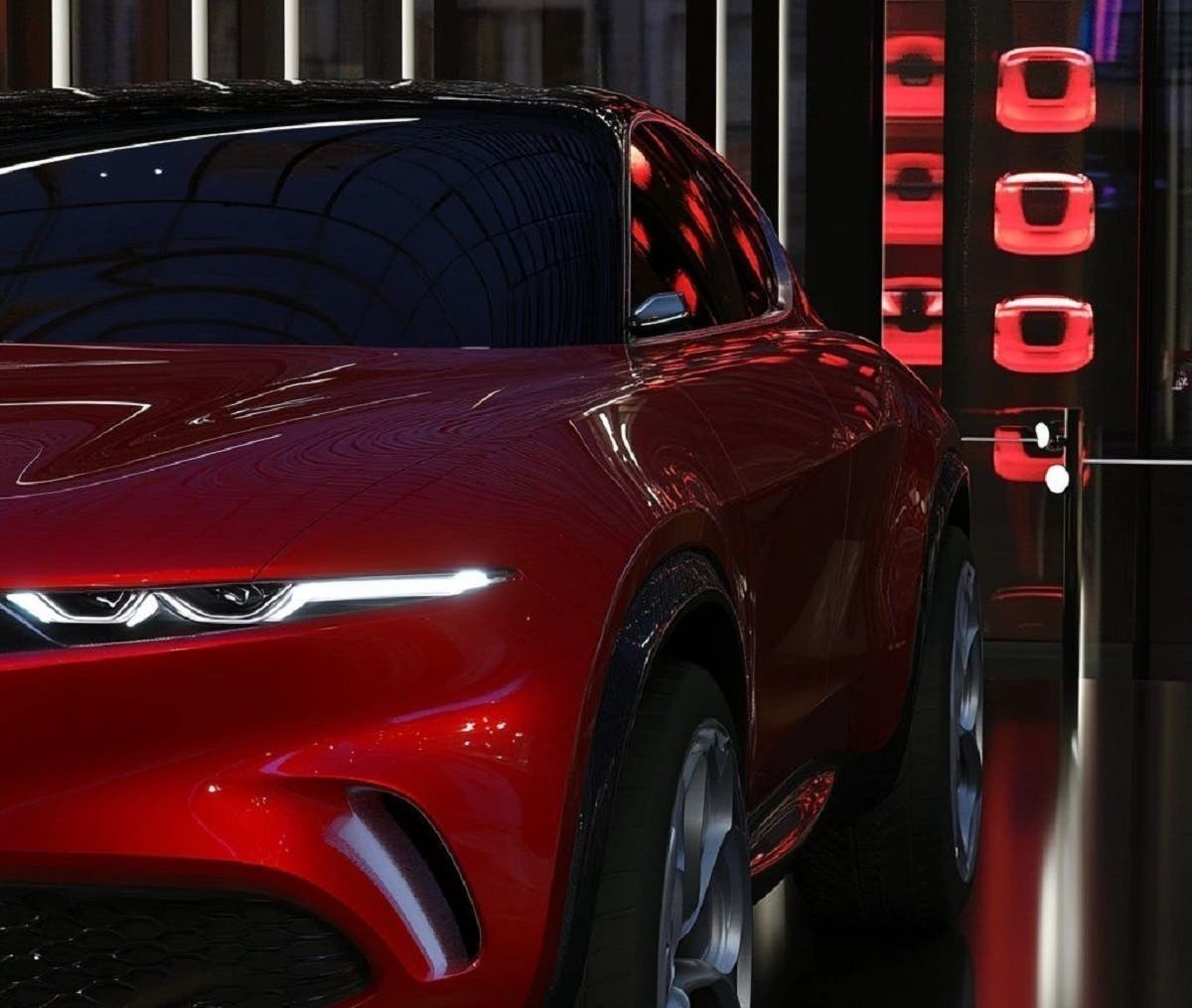
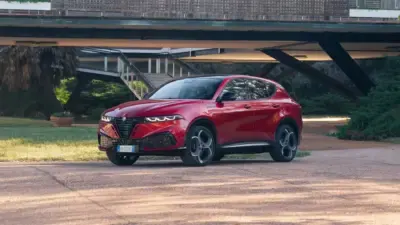
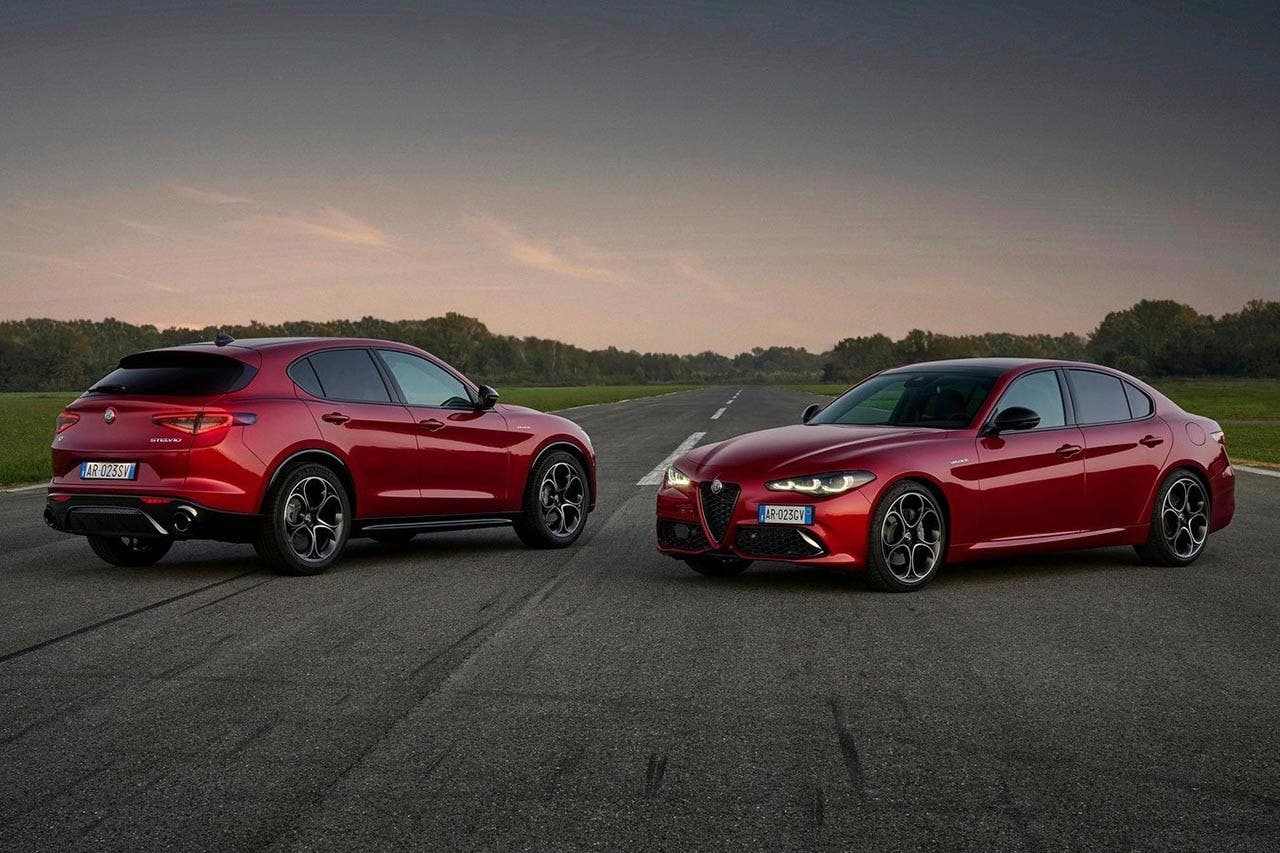
A second E-segment proposal had also been discussed, a large fastback sedan positioned above the current Giulia. Both projects, however, have now been abandoned. Recent statements from the brand’s new head, Santo Ficili, confirmed that Alfa Romeo will not return to the E-segment and will instead focus on markets where the brand has traditionally performed best. The new Giulia and Stelvio, expected between late 2027 and 2028, will grow slightly in size but will remain the brand’s flagship models.
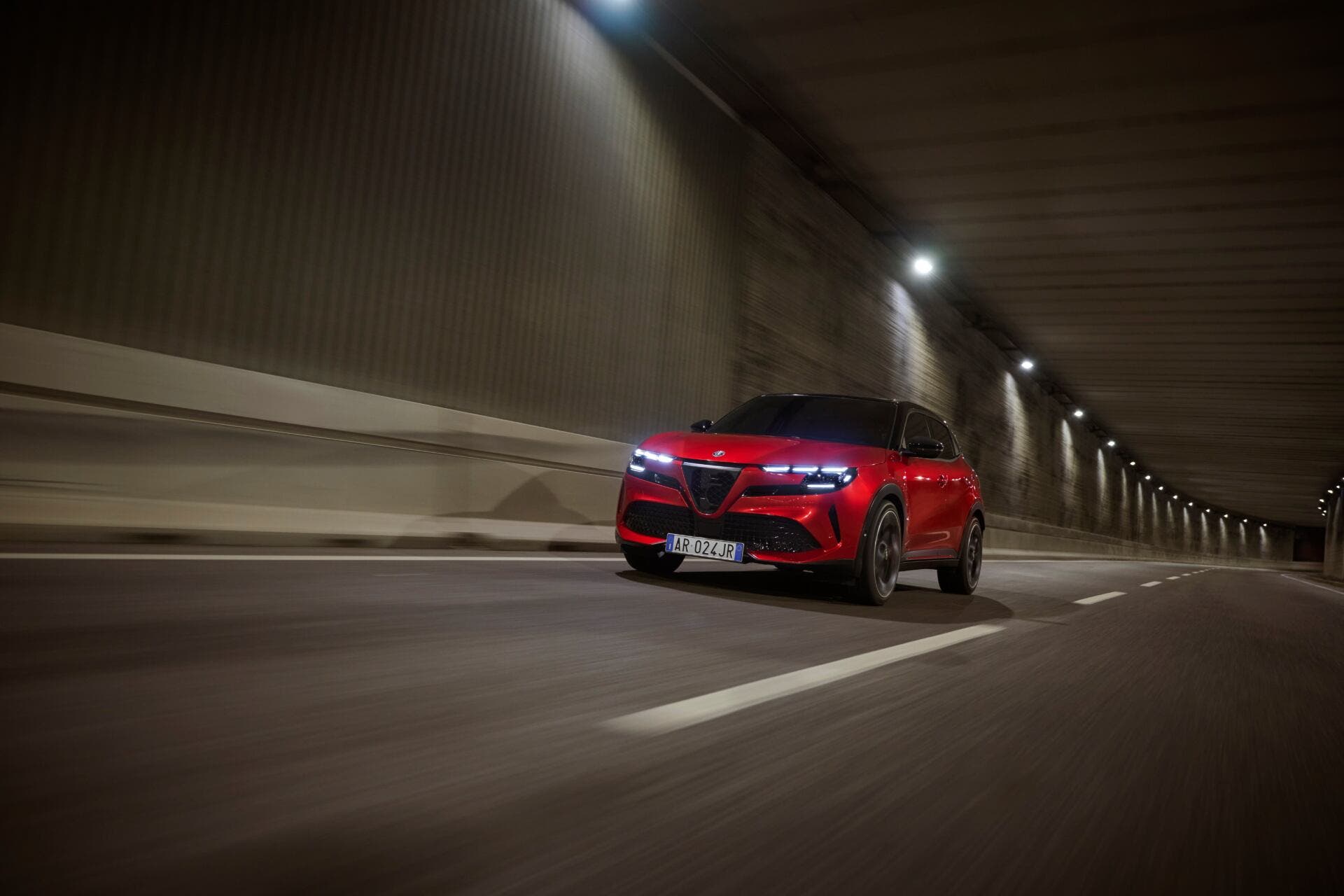
This decision has been welcomed by many European enthusiasts, who prefer more compact models that stay true to Alfa Romeo’s sporting roots rather than oversized SUVs designed for other markets. Still, the move raises a strategic question. A premium brand with global ambitions may also need larger models to compete in regions such as the United States, China or the Middle East, markets where E-segment vehicles represent an important share of sales and strongly influence brand perception.
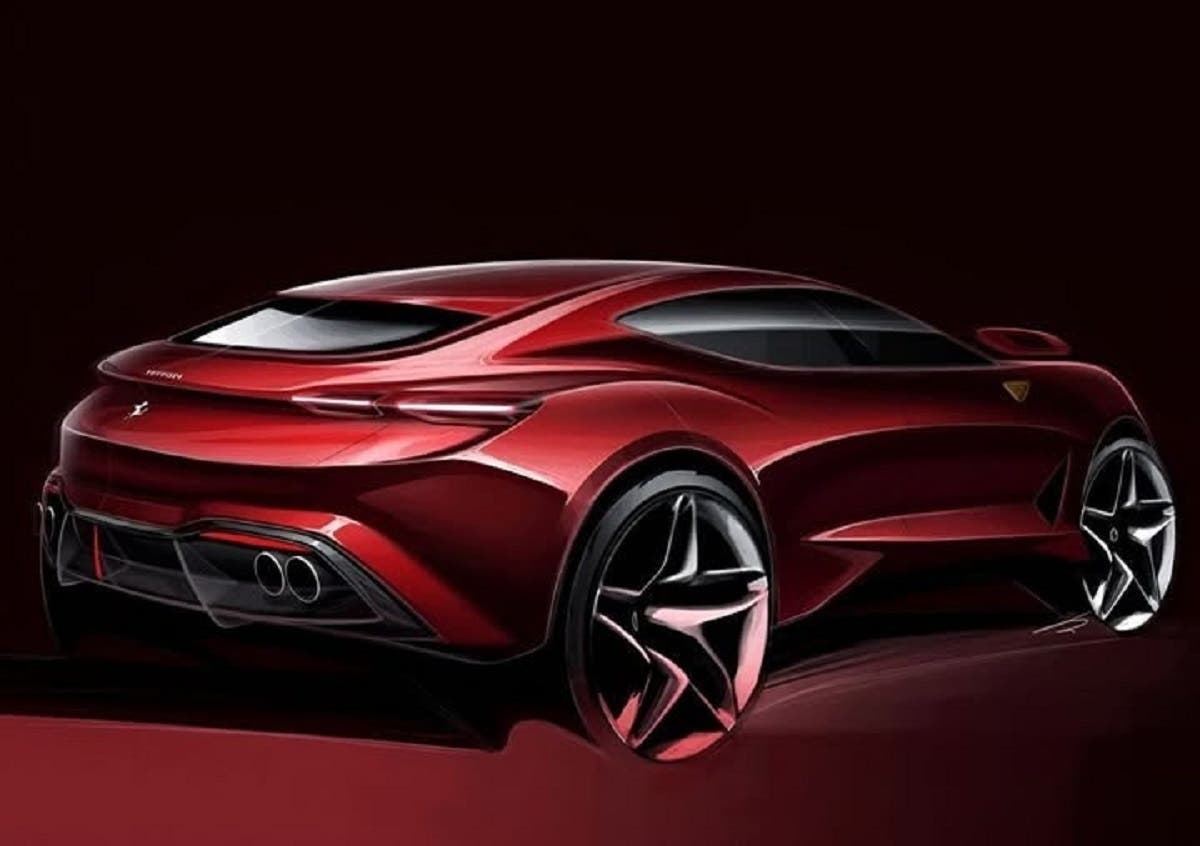
The withdrawal could therefore signal a deeper strategic shift. Perhaps the ambition to turn Alfa Romeo into a fully global premium brand has been scaled back, in favour of a more solid and measured European positioning. In this scenario, the choice appears coherent, though it leaves open the question of whether Alfa Romeo has missed a key opportunity in a segment that plays a decisive role in shaping the image of premium brands worldwide.