November 3, 2019 marked a turning point for the global automotive industry. On that date, the Italian press first reported the merger between FCA and PSA, a deal finalized just before 2021 with European approval. From that agreement came Stellantis, now one of the world’s largest automotive groups, initially led by Carlos Tavares. His leadership proved firm and results-driven, but it also sparked criticism, especially concerning historic brands such as Alfa Romeo, as recent statements from Lancia’s management have also suggested. Among Alfa Romeo enthusiasts, there is now broad agreement on the brand’s main weakness. Today, the real issue is engines, even more than design or build quality.
Alfa Romeo’s real challenge today is its engine strategy
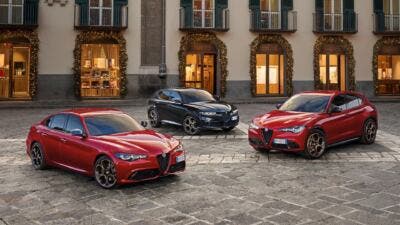
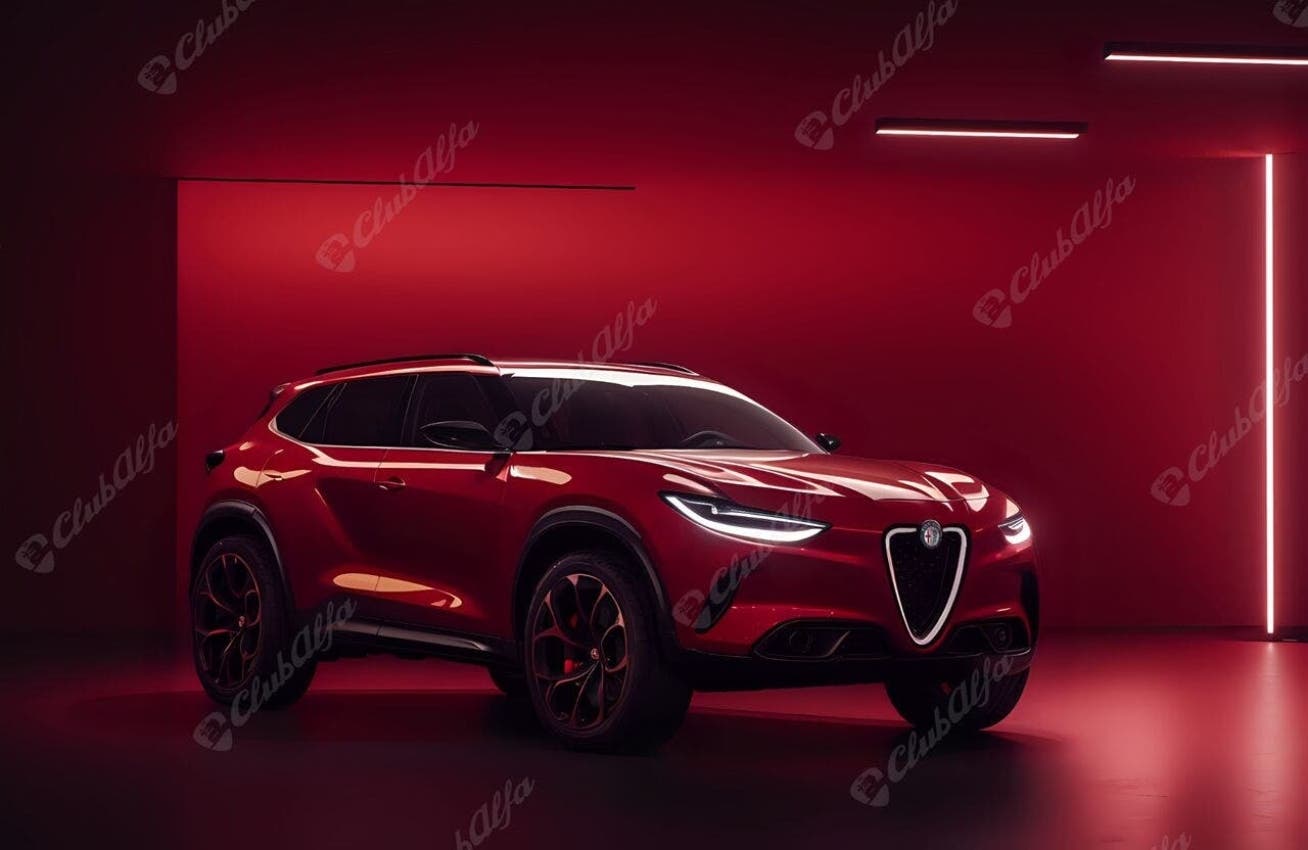
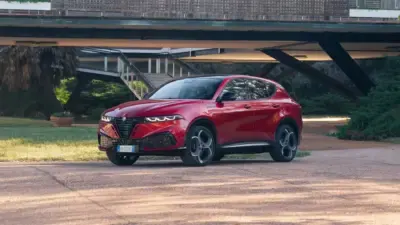
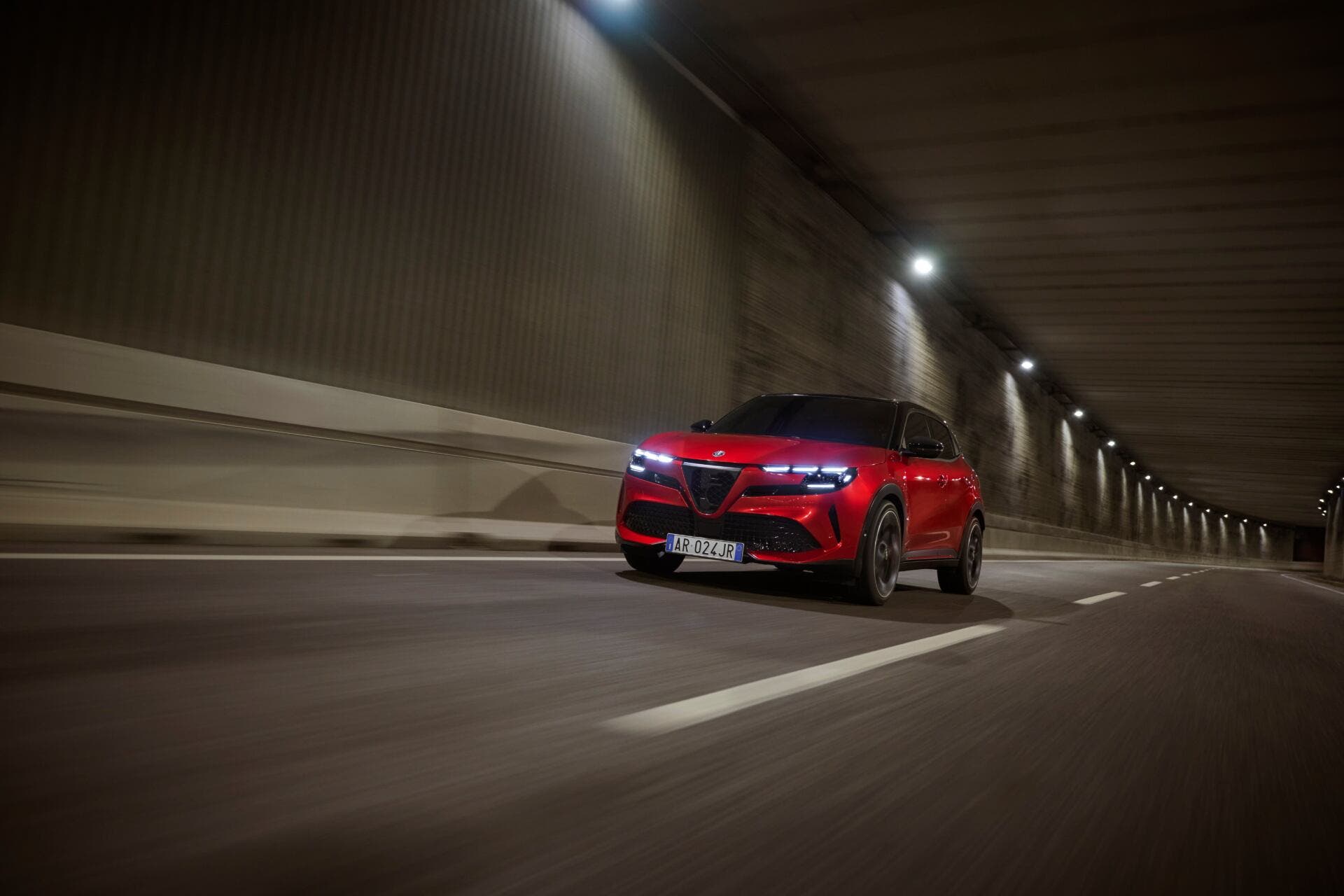
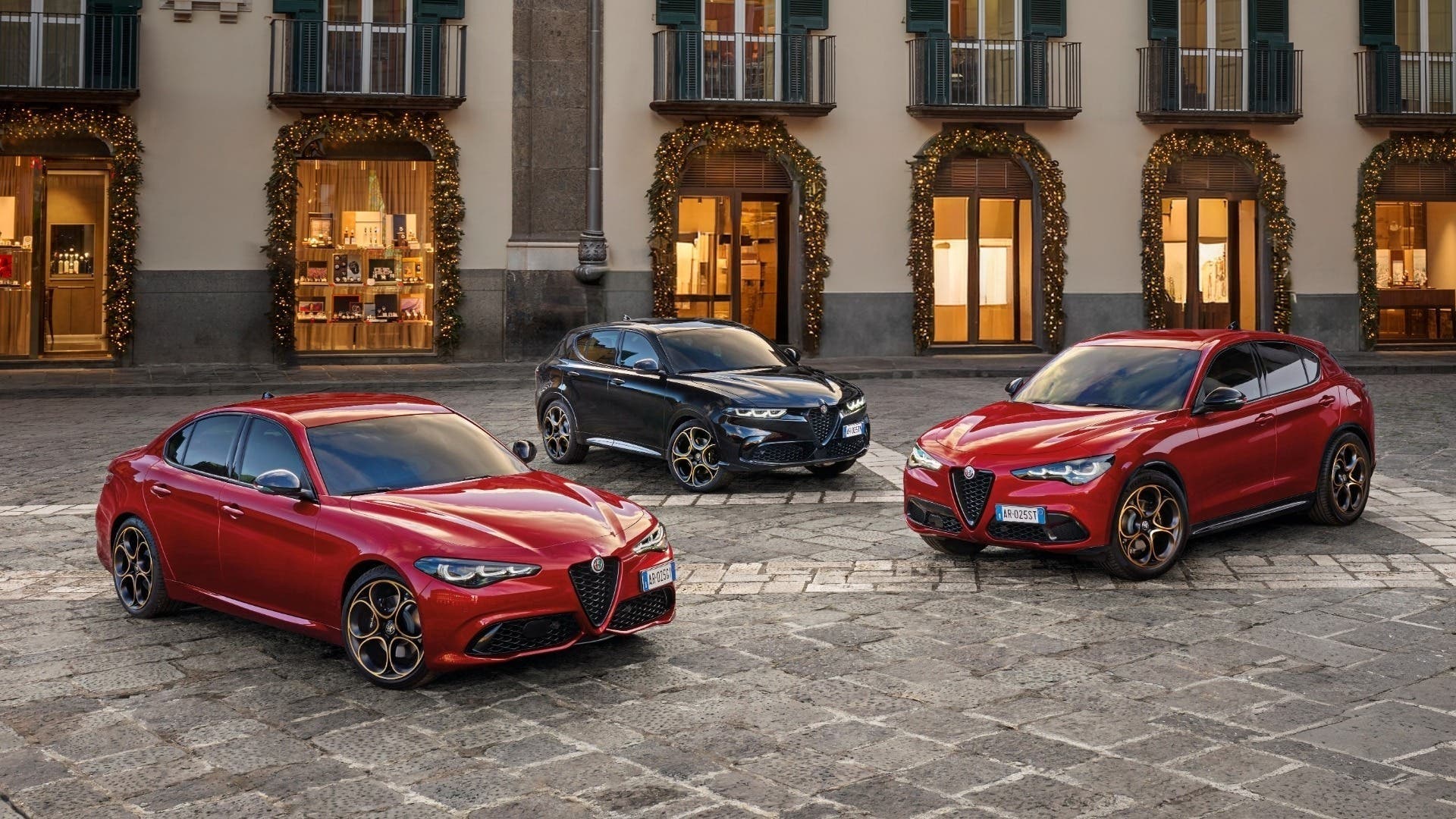
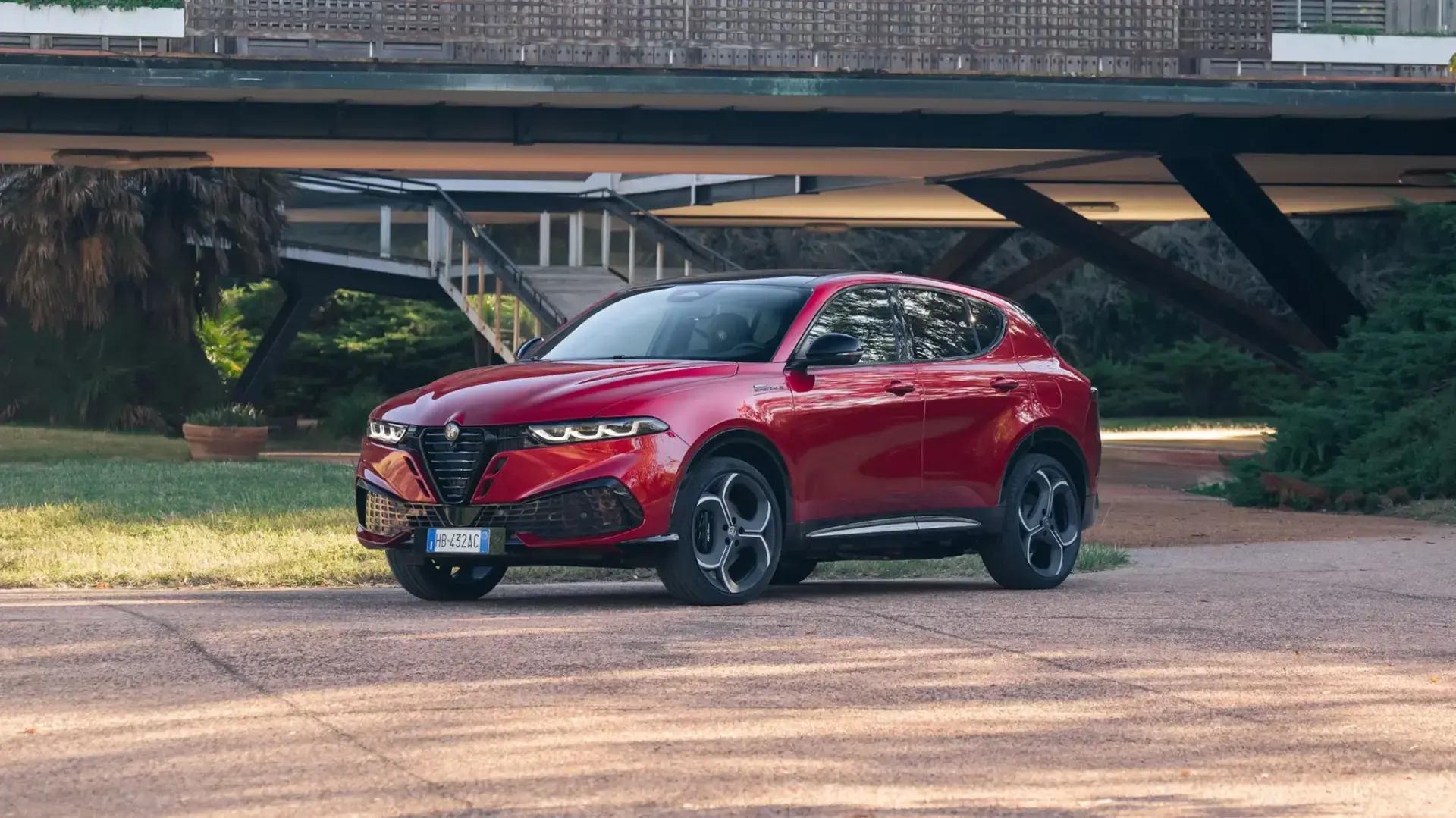
During the Tavares era, the brand was led by Jean-Philippe Imparato, who restored profitability and oversaw key updates such as the facelift of the Giulia and Stelvio and the launch of the Tonale. The newest model is the Junior, a compact SUV intended to carry Alfa Romeo into the future. Early demand is encouraging, with over 60,000 orders, but concerns remain that it could follow the same path as the Tonale, strong at launch, then gradually losing momentum.
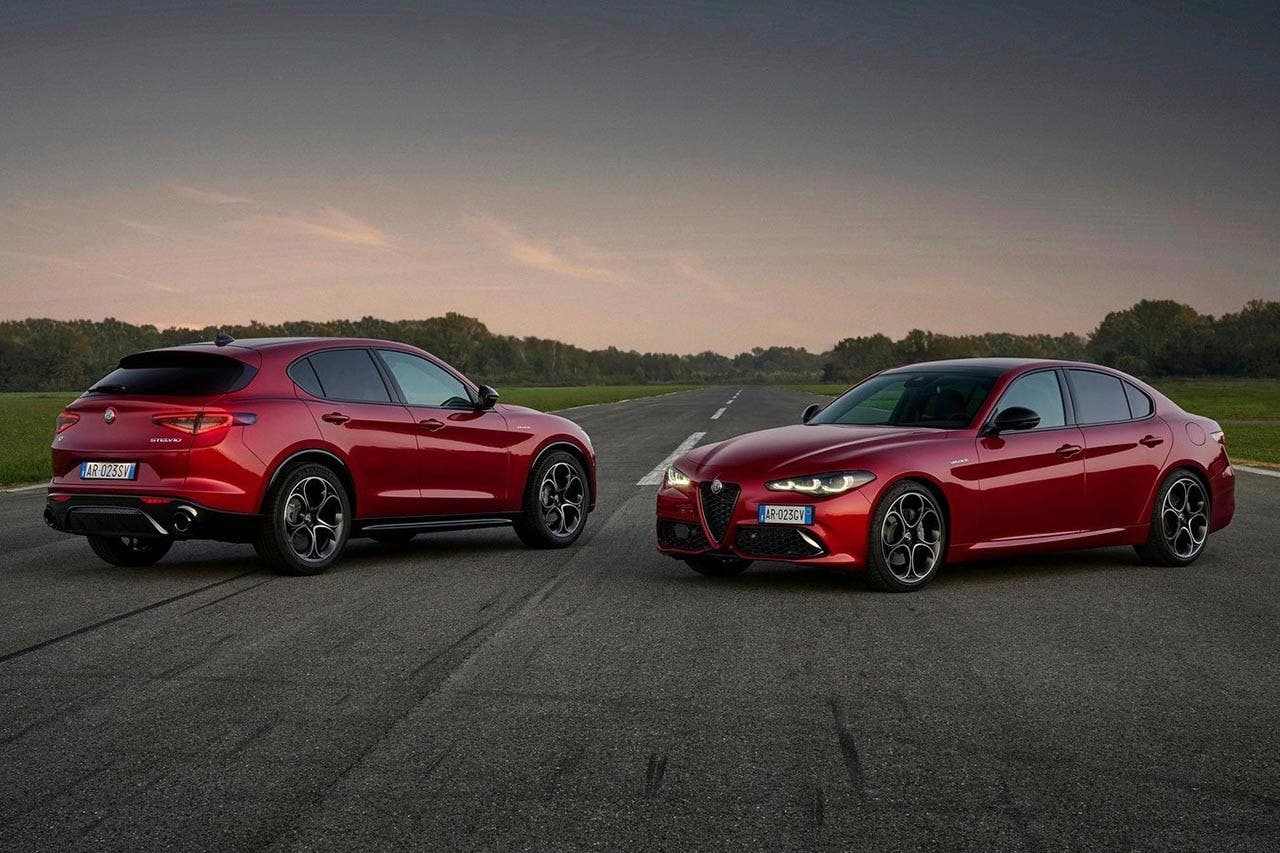
Despite the Giulia and Stelvio still standing out for style and quality, the Alfa Romeo engine lineup remains a weak point. The Junior uses a 1.2-liter three-cylinder 48-volt mild-hybrid engine producing 145 hp, derived from the PureTech family. While efficient on paper, this solution struggles to convince part of Alfa Romeo’s traditional customer base, still reluctant to accept French-sourced powertrains. As a result, the brand must now balance modernization with industrial constraints and brand identity.
The biggest limitation today is the lack of full independence in engine development. Alfa Romeo operates within Stellantis’ shared platform system, based on synergies and economies of scale. This approach reduces costs but also limits technical freedom. Dealerships try to explain the advantages, yet many customers still leave without placing an order, often shifting to German competitors, even though Alfa Romeo’s current lineup is widely regarded as one of the most attractive on the market.
Recent decisions clearly show that a change is necessary. The Giulia and Stelvio will remain in production until late 2027, as many customers are still not ready to abandon combustion engines. At the same time, Stellantis is evaluating a renewed role for the Giorgio platform, the rear- and all-wheel-drive architecture that could return to prominence through synergies with Maserati.
The real test, however, lies ahead. Future Alfa Romeos will need a powertrain lineup worthy of the brand’s history and DNA. Only then can a true and lasting revival begin.