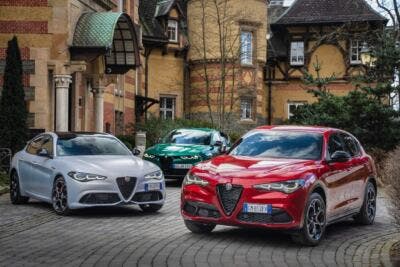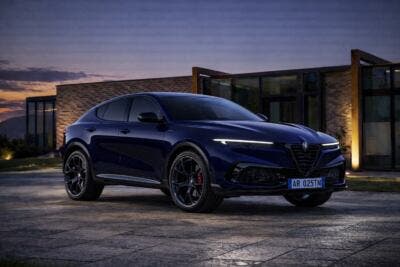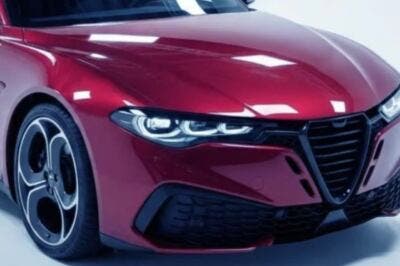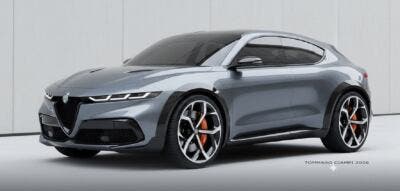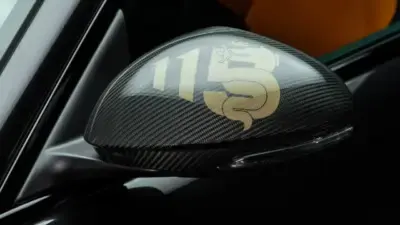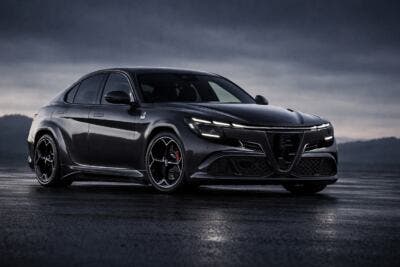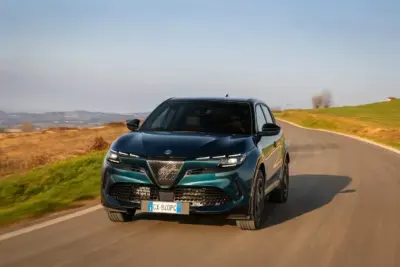
Alfa Romeo closed 2025 with more than 73,000 global registrations and 20 percent year-over-year growth. In 2026, the brand could push that figure even higher thanks to the Junior, the updated Tonale, and the continued presence of the Giulia and Stelvio through the end of 2027, helped by the return of the Quadrifoglio versions and by special editions expected in the coming months. These numbers seem to support Alfa Romeo’s current commercial direction. At the same time, CEO Santo Ficili has confirmed that the brand will not enter the E segment, even though the company had considered that option in the past. That decision raises a deeper question about the path Alfa Romeo is really taking.
Alfa Romeo is at a crossroads between sporty premium ambitions and higher volumes
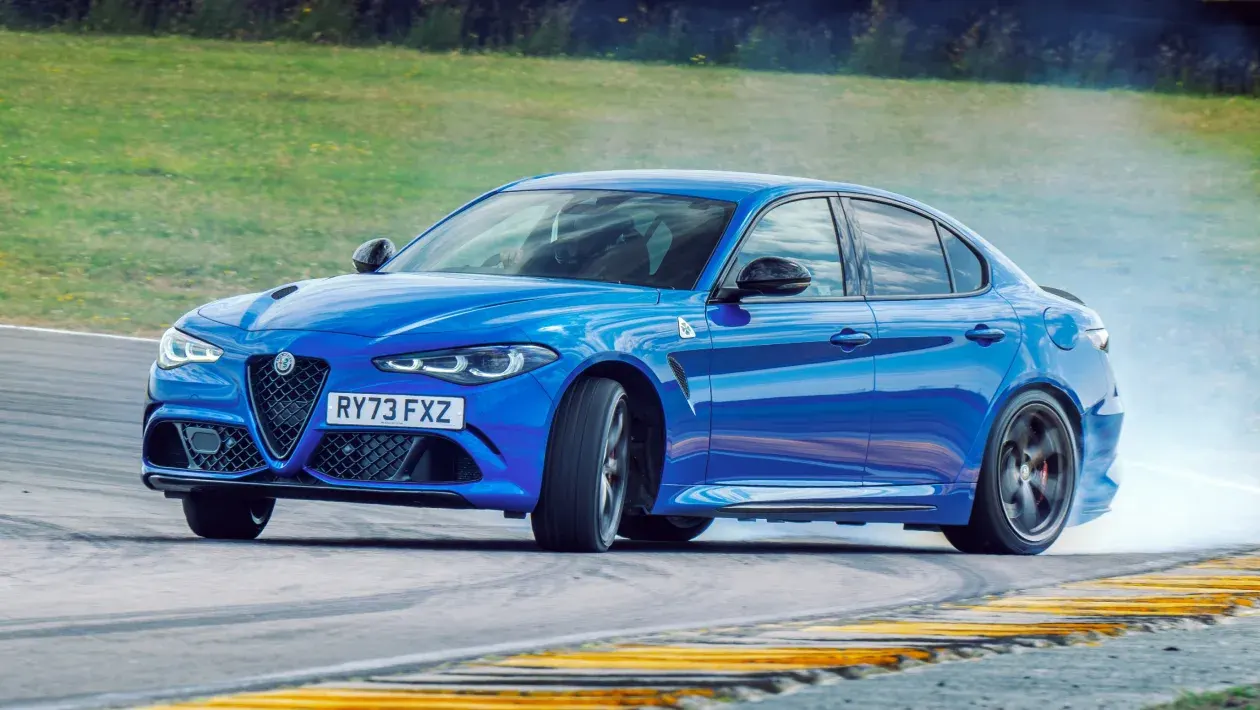
Alfa Romeo entered the B segment with the Junior, strengthened the Tonale, and may add more compact models over the next few years. Together, those moves suggest a strategy that puts volume growth first. That approach may help the brand sell more cars, but it also moves Alfa Romeo away from the kind of lineup expansion that could strengthen its premium positioning in the upper part of the market, where performance brands usually build image, prestige, and desirability.
With Ficili leading Alfa Romeo and Antonio Filosa running Stellantis, the brand now faces a choice that could shape how people see it for years. Alfa Romeo can keep chasing the role of a sporty premium brand with a more selective lineup, or it can widen its reach more aggressively and accept the compromises that usually come with greater accessibility.
This issue goes beyond the shape of the lineup itself. It also affects the way customers and enthusiasts see the brand as a whole. A significant share of Alfa Romeo fans already looks with skepticism at the growing role of SUVs and crossovers in the range and at the decision to stay out of the segments where sporty brands usually build their most aspirational image. Many of them worry that Alfa Romeo could drift toward a profile that feels less distinct from mainstream competitors.
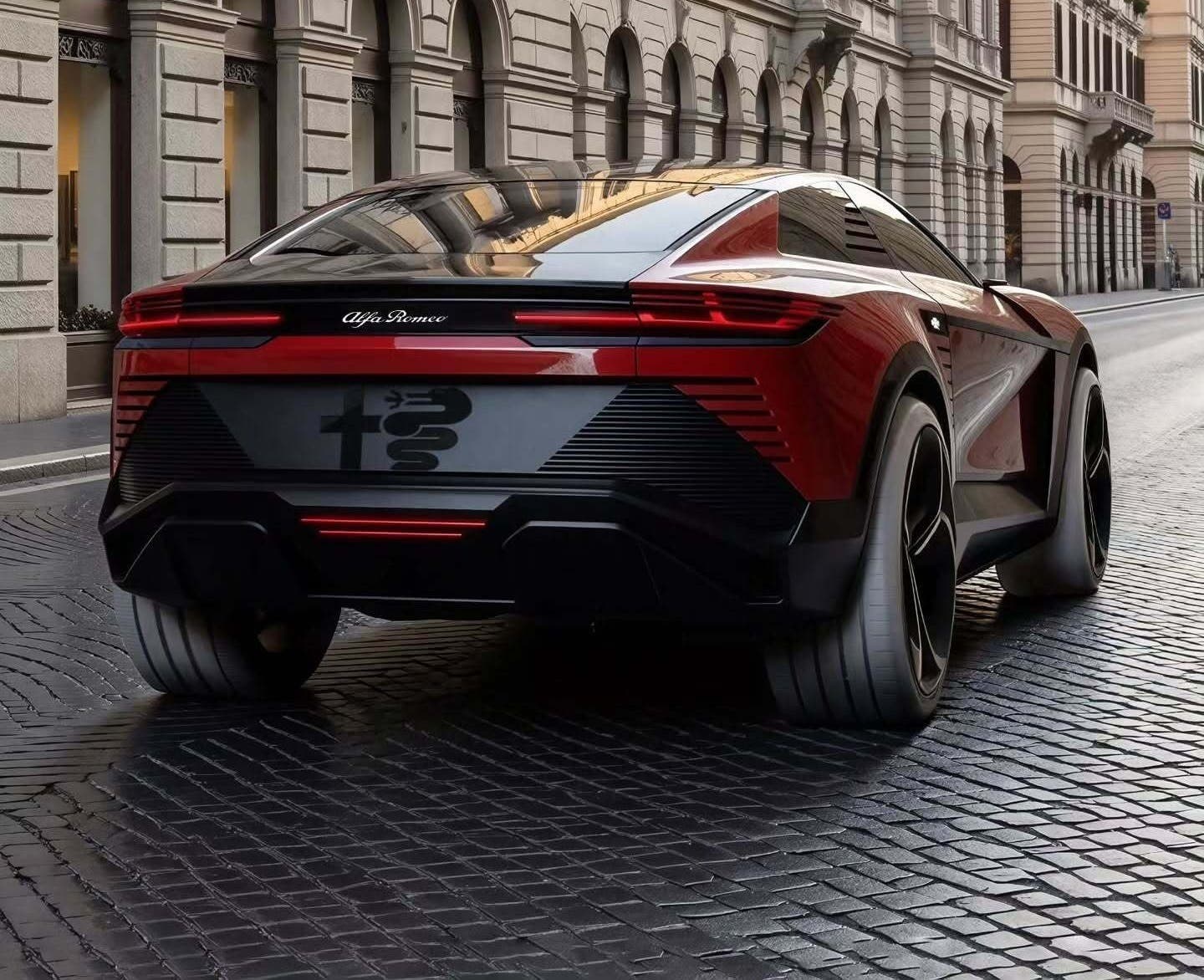
The real challenge for Alfa Romeo is simple to describe and hard to execute. The brand needs to grow without giving up the qualities that have defined its appeal for decades, including sportiness, recognizable design, driving pleasure, and technical character. In other words, Alfa Romeo must expand without letting volume dilute identity.
Brand executives would likely argue that Alfa Romeo can stay premium and instantly recognizable no matter which segments it enters. The market, however, does not judge strategy through statements. It judges it through products. Filosa’s strategic plan on May 21 should offer the first real clues about the future lineup, the platforms behind it, and the amount of space Stellantis plans to reserve for the sporty and aspirational side of Alfa Romeo, which many people still see as the very reason the brand matters inside the group.