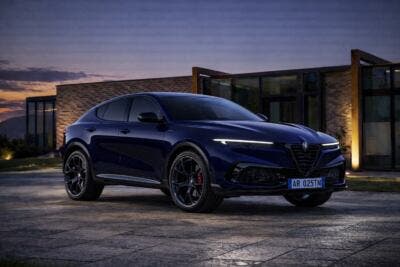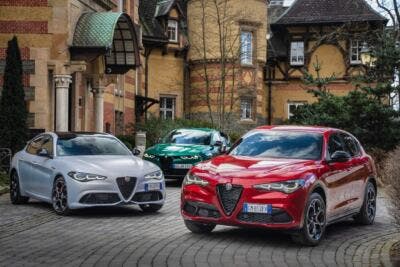
Alfa Romeo ended 2025 with more than 73,000 registrations worldwide and growth of over 20 percent compared with the previous year, a result driven largely by the Junior, which made an immediate impact as the most dynamic model in the current Alfa Romeo lineup after collecting more than 60,000 orders across over 40 markets. The compact SUV gave the brand a commercial boost it had not seen in several years and now provides the foundation on which Alfa Romeo plans to build further growth in 2026.
Alfa Romeo heads into 2026 with growing momentum and bigger ambitions
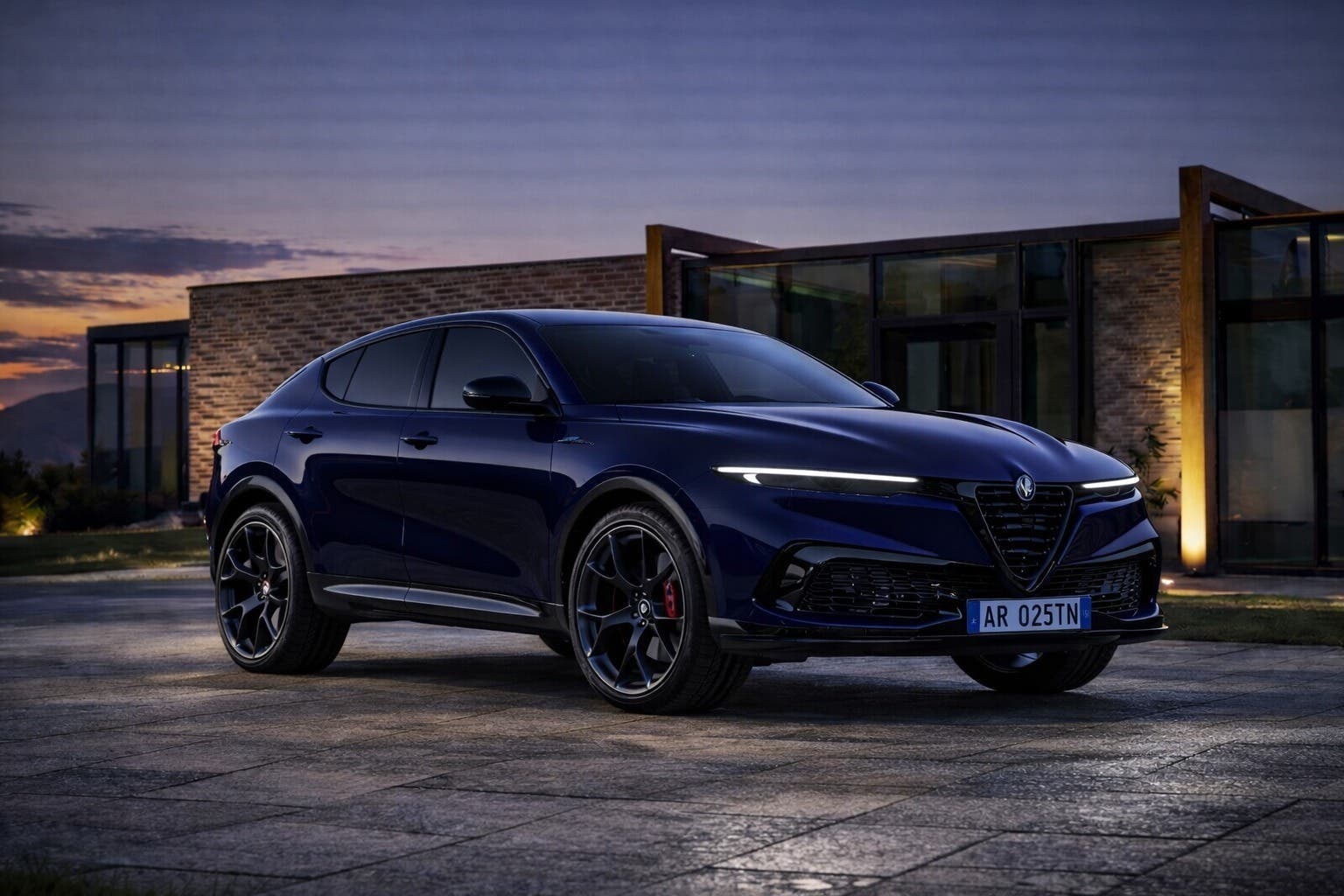
The first signs from the current year look encouraging. In the United States, the first quarter appears to have delivered a 5 percent increase compared with the final quarter of 2025, while in the first two months of the year registrations across the EU, EFTA, and the United Kingdom reached 6,567 units, up about 3.6 percent year over year. Alongside the Junior, which will continue to support volumes as the order bank turns into actual deliveries, the brand is also relying on the updated Tonale and on the continued presence of the current-generation Giulia and Stelvio in the lineup through the end of 2027.
Those last two models have already delivered one early surprise with the return of the Quadrifoglio versions, which were initially removed from the range and then brought back. That move matters above all on a symbolic level because it reinforces the sporting and identity-driven dimension that a significant part of Alfa Romeo’s customer base still associates with the brand.
The question hanging over this expansion phase is whether Alfa Romeo can approach or exceed the 100,000-unit annual mark, a symbolic threshold the brand has not reached since 2018, when the initial momentum of the Giulia and Stelvio pushed it close to 120,000 units. If a substantial share of Junior orders turns into deliveries by the end of 2026, the room for meaningful growth compared with 2025 looks reasonable. Even so, reaching six figures remains an ambitious target that will also depend on demand holding up in key markets and on the brand’s ability to maintain its commercial momentum beyond the first wave of enthusiasm surrounding the new model.
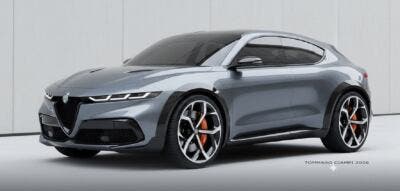
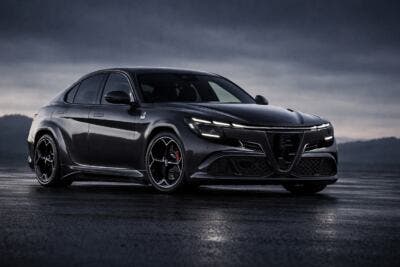
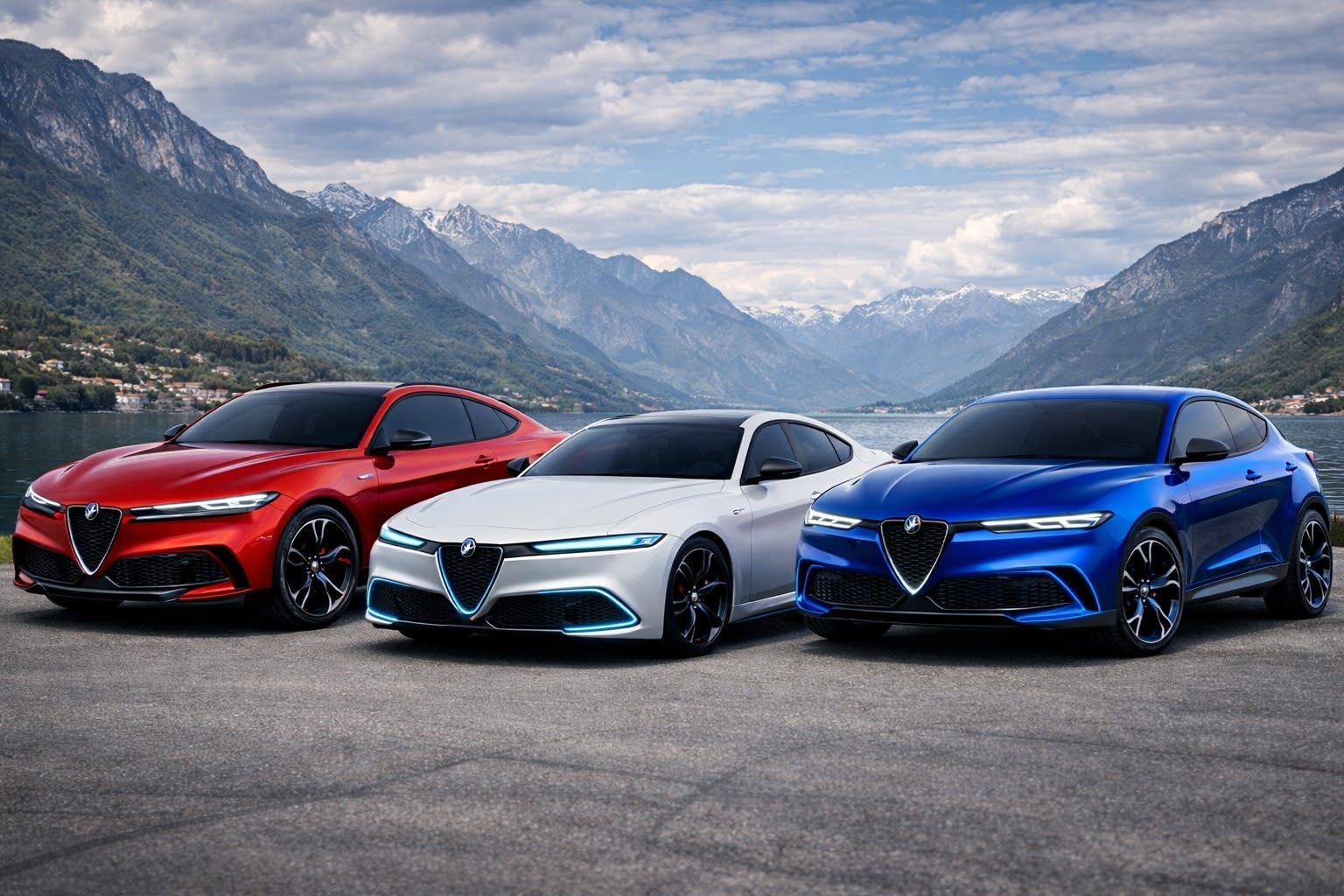
Looking further ahead, the real step change should come from the models expected in the next few years, from the new Giulia and Stelvio due in 2028 to the Tonale successor, without ruling out the possible arrival of another compact crossover positioned between the Junior and the Tonale. The strategic plan that Antonio Filosa will present on May 21 should provide clearer guidance on timing and priorities, showing whether and to what extent the growth trajectory seen in 2025 can continue in the years ahead.