

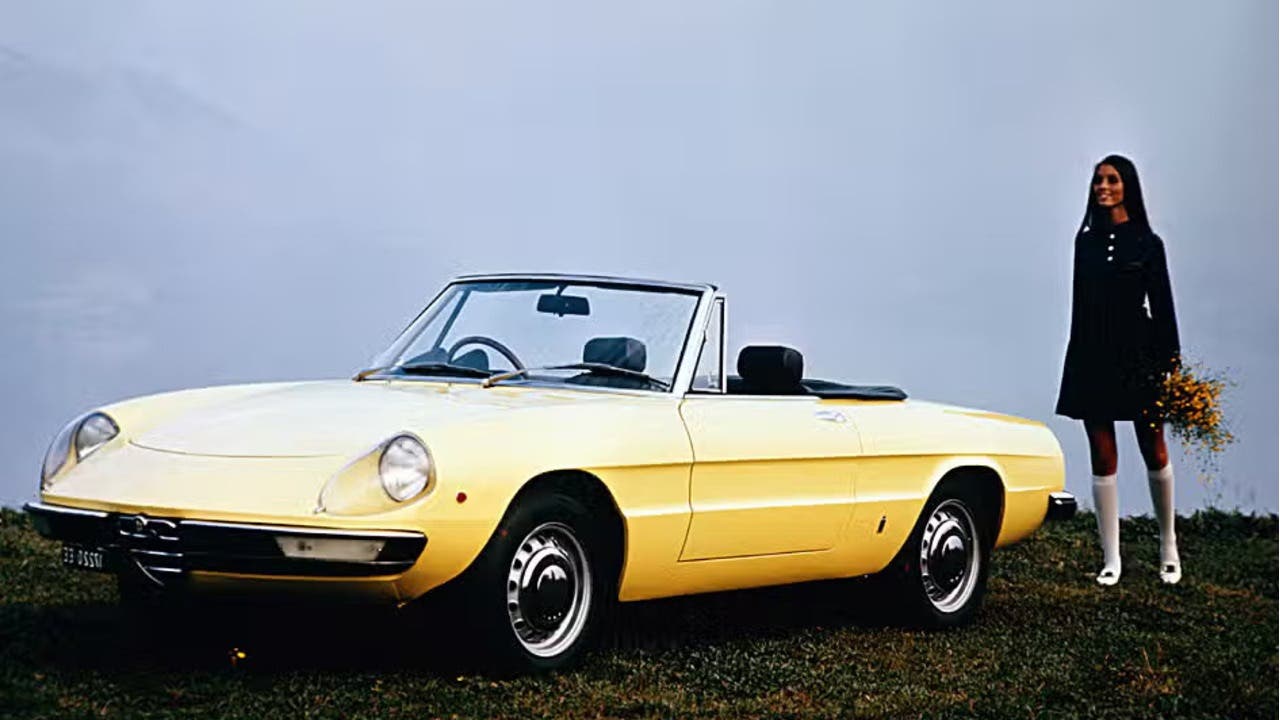
For Alfa Romeo, chopping the roof off a car was never just a body-style variation designed to squeeze extra profit margins out of wealthy buyers. It was a sensory philosophy, a physical connection to the road that made you feel the twin-cam engine note in your teeth and watch the weather forecast with genuine anxiety. Long before modern safety regulators and corporate marketing departments completely sanitized the automotive industry, the Italian brand built cars meant to strip away the filters between driver and asphalt.
This open-air obsession isn’t some recent marketing gimmick cooked up in a boardroom. It dates all the way back to the company’s very first vehicle, the 24 HP of 1910, which could be ordered without a roof because, frankly, windshields were still considered a soft luxury. But the true golden era of the Italian cabriolet blossomed during the post-war boom of the 1950s and ’60s, fueled by the artistic sheet-metal sorcery of legendary design houses like Touring, Zagato, and Pininfarina.
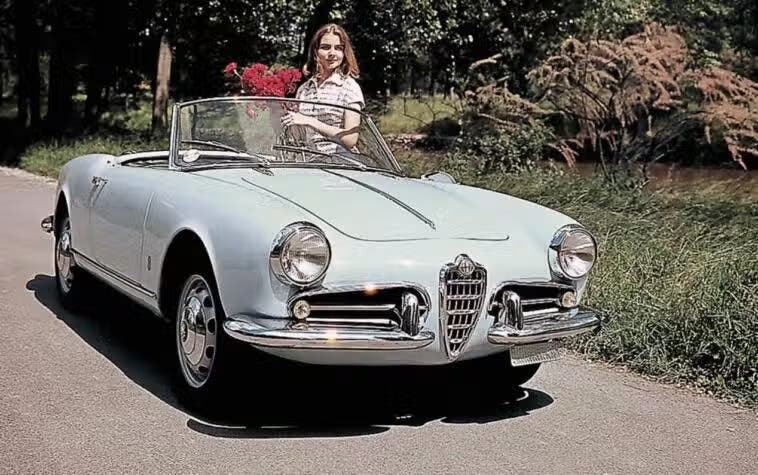
Max Edwin Hoffman, a visionary US importer, translated this raw Italian passion into a global cultural phenomenon. Hoffman looked at the sunny, coastal highways of California and realized wealthy Americans were desperately bored of heavy, chrome-laden domestic land-yachts. They wanted something light, agile, and aggressively European. Alfa Romeo answered with the Giulietta Spider, a masterpiece of clean, unpretentious proportions.
Then, in 1966, came the legendary 1600 Spider, universally known as the Duetto. With its iconic, rounded “cuttlefish bone” rear end and minimalist nose, it became an instant visual masterpiece. When Dustin Hoffman drove it through a cloud of existential dread in the 1967 film The Graduate, the Duetto ceased to be just a car, and became the ultimate symbol of restless youth.
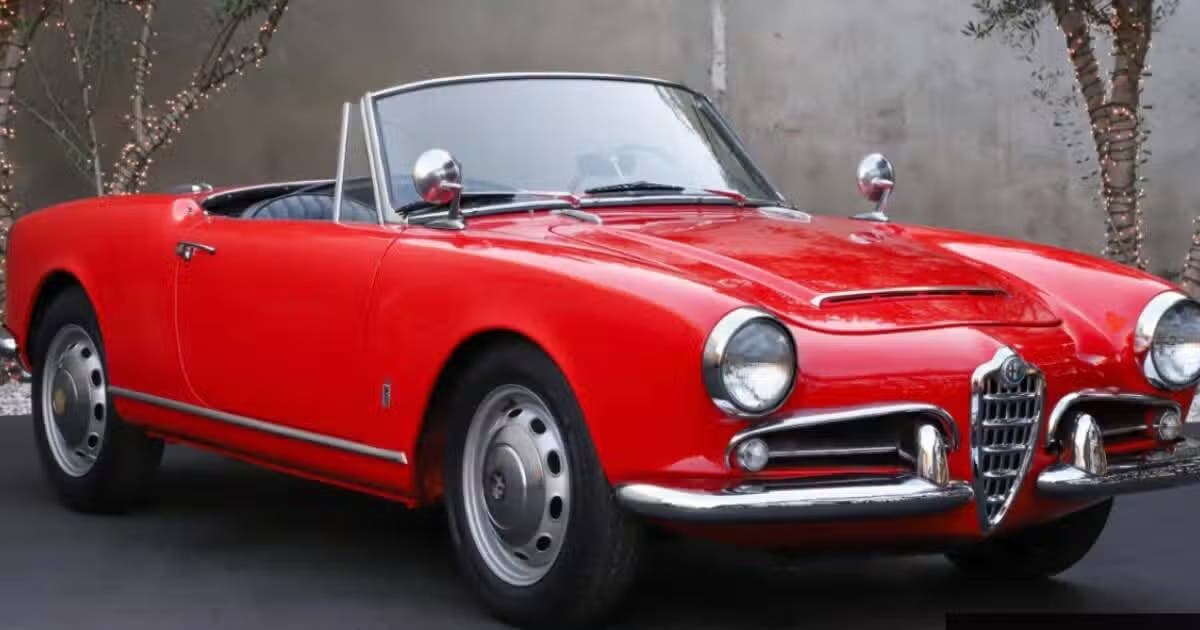
The marketing behind the launch was equally theatrical. Rather than sending out a boring, modern corporate PDF, Alfa Romeo debuted the Duetto during an ultra-luxurious transatlantic crossing to New York aboard the majestic ocean liner Raffaello. It was spectacular, pretentious, and deeply Italian. Cool guys of every caliber fell in love: Steve McQueen praised its brutally honest handling, while Muhammad Ali famously customized his own with the license plate “Ali Bee”.
Beneath the Hollywood glamour lay serious, uncompromised engineering: a rev-happy 1,570 cc engine pushing out 109 HP, powering a car that weighed less than a thousand kilograms, a featherweight figure that today’s heavy, battery-stuffed electric SUVs can only dream of.
The classic Spider survived for an impressive 28 years across four generations, selling over 124,000 units. Today, carbon-fiber halo cars like the 8C and 4C Spider try to keep that raw, lightweight, sky-above-your-head spirit alive.