

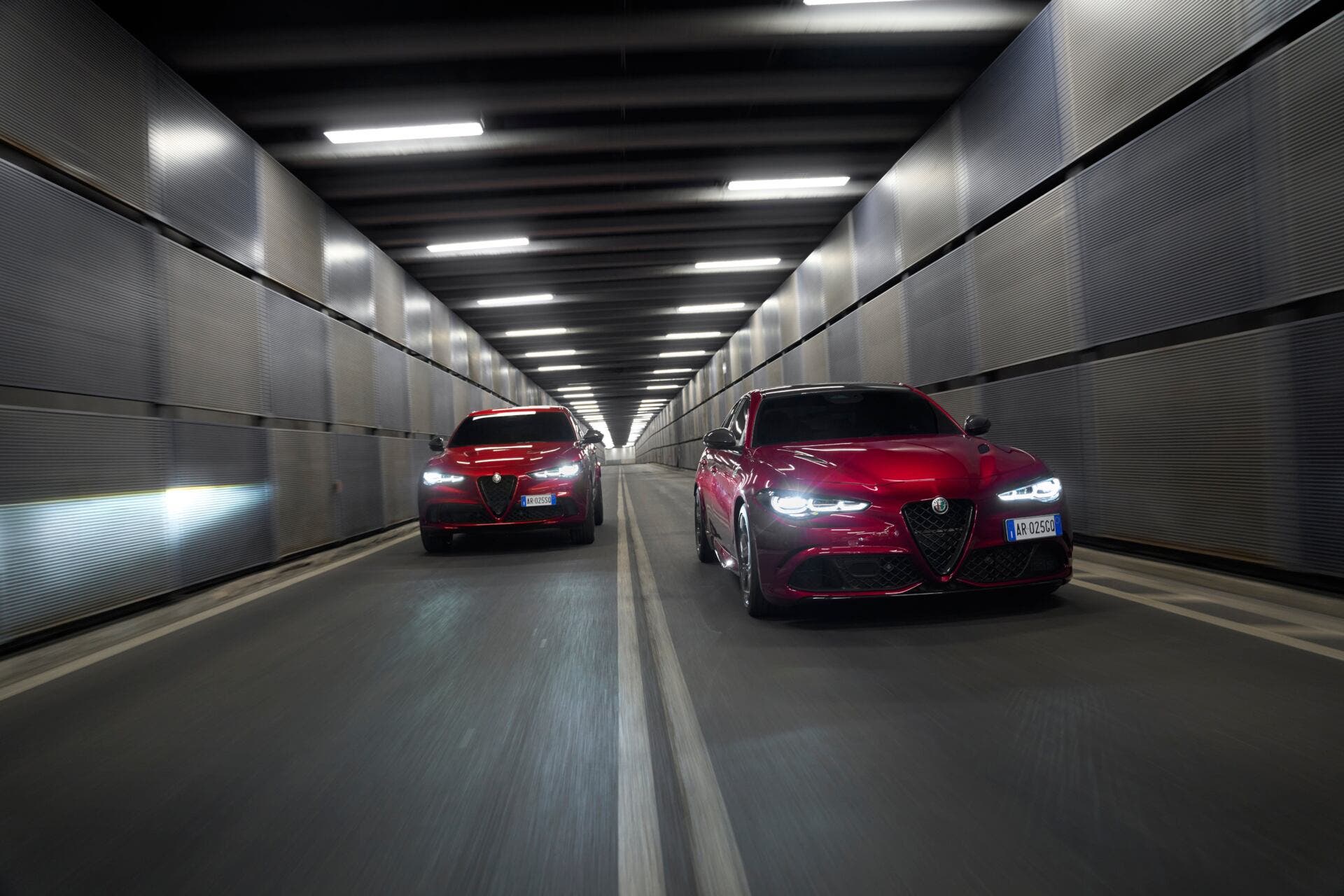
Alfa Romeo Giulia and Stelvio will remain in production for another two years, continuing until the end of 2027. After a long career marked by critical acclaim, the two models that symbolized the brand’s modern revival will therefore accompany Alfa Romeo for one final stretch. Naturally, the hope is that this closing phase will not overshadow what has been built over time and that both Giulia and Stelvio can exit the market in the most dignified way possible.
It is worth remembering that, despite being praised for driving dynamics and technical substance, Giulia and Stelvio have never been high-volume models. Sales never reached the ambitious targets envisioned during the Sergio Marchionne era, but today the real concern lies in a gradual erosion of demand.
Alfa Romeo Giulia and Stelvio enter their final years on the market
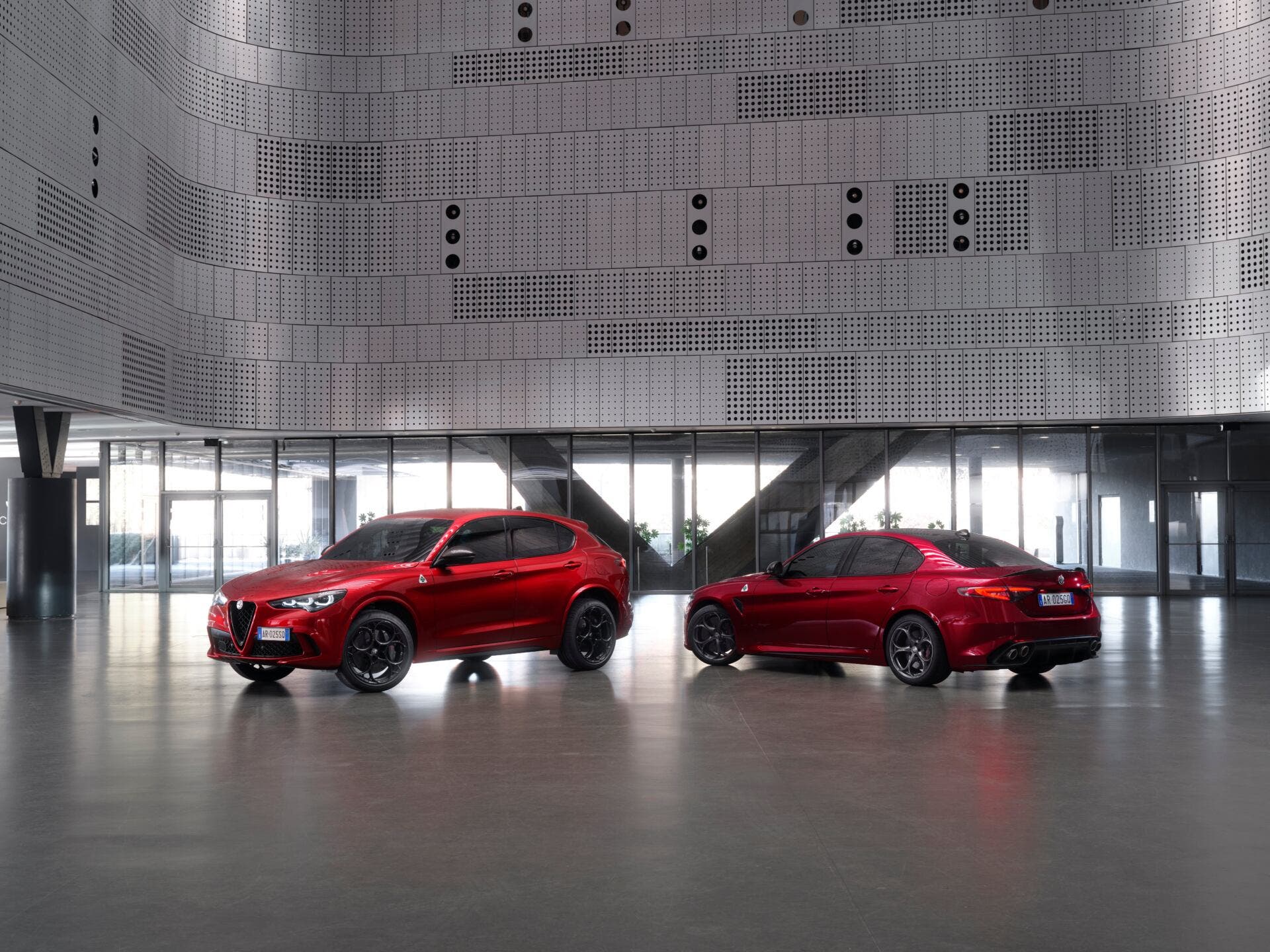
Current estimates point to very limited volumes, with annual production unlikely to exceed 13,000 units combined. In 2027, the situation could become even more challenging. Alfa Romeo has tried to offer reassurance by confirming the arrival of special editions aimed at keeping interest alive. Still, doubts remain as to whether these initiatives will be enough to meaningfully support sales.
The risk is that such an extended lifecycle, combined with steadily declining volumes, may not represent the ideal finale for two models that defined a recent chapter in the brand’s history. The hope is that Alfa Romeo will step in more decisively, possibly through more aggressive commercial policies, targeted incentives or minor updates capable of keeping both models competitive until their successors arrive. Those replacements are expected to be unveiled in 2027, with market launches likely in early 2028.
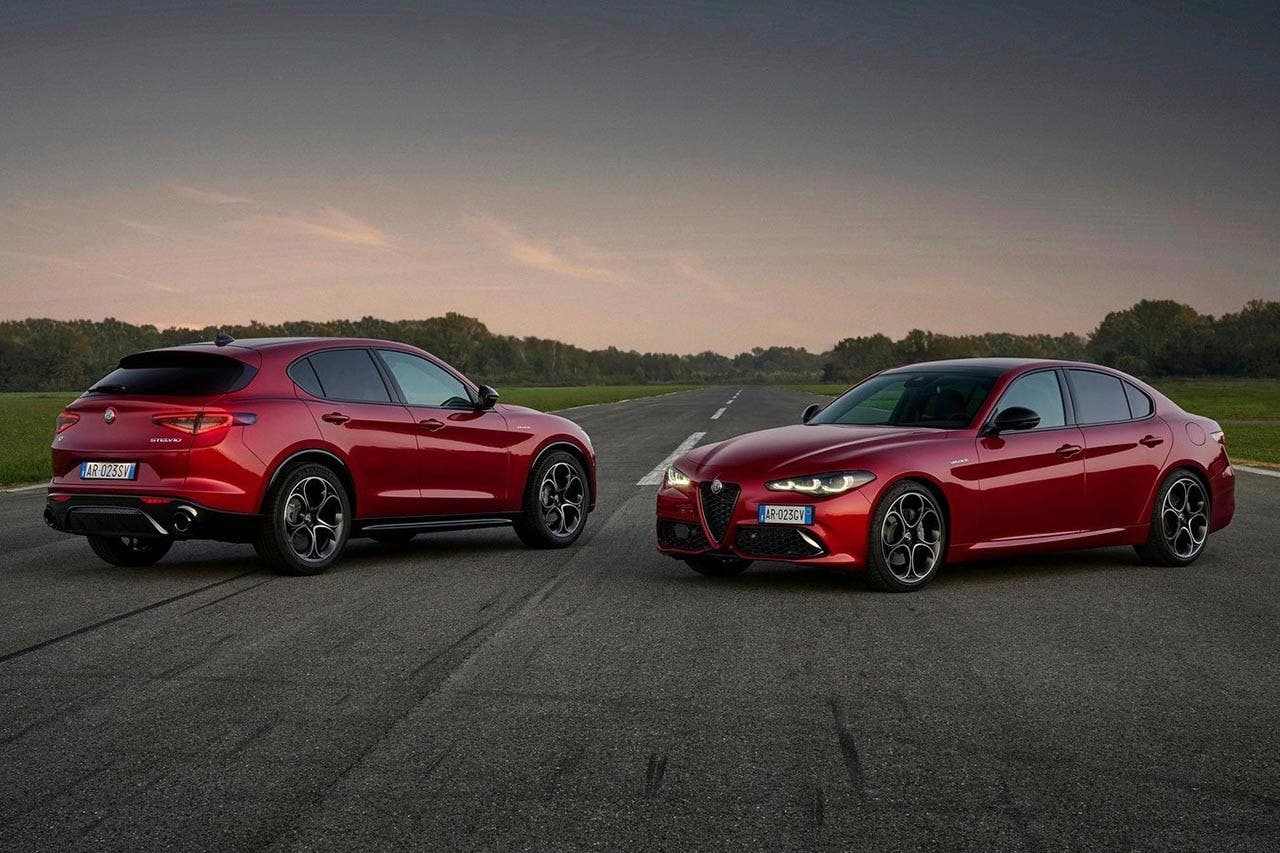
That said, Giulia and Stelvio will continue to play a central role in Alfa Romeo’s future thanks to the next generations already under development. The new models will be built on the STLA Large platform, will grow slightly in size and, for the first time, will offer fully electric versions. Contrary to earlier assumptions, the lineup will not be battery-only. Hybrid powertrains are also planned, including mild hybrid, plug-in hybrid and possibly full hybrid solutions.
From a design standpoint, the next Giulia and Stelvio will adopt an even sportier and more aerodynamic approach, with more coupé-like proportions. They will become the brand’s future flagships following the exit from the E-segment and will introduce an evolved design language. This will blend cues already seen on the recent Alfa Romeo Junior with new elements, such as the V-shaped rear light signature set to become a distinctive hallmark of the Biscione.