Four days. Four miserable, lonely days of work in an entire month. When a world-class automotive plant operates less than a sleepy post office during a mid-August heatwave, you know the gears haven’t just jammed. Rocco Palombella, the Uilm General Secretary, put it with the kind of brutal honesty that usually gets you uninvited from corporate cocktail parties: a company working four days in January is a company in a vegetative state. At the Stellantis Cassino plant, “serenity” isn’t just missing. It’s been deported.
The Italian automotive industry in 2025 looked less like a manufacturing powerhouse and more like a slow-motion car crash. Total national production of cars and commercial vehicles bottomed out at 379,706 units. A staggering 20% drop from a 2024 that was already nothing to brag about.
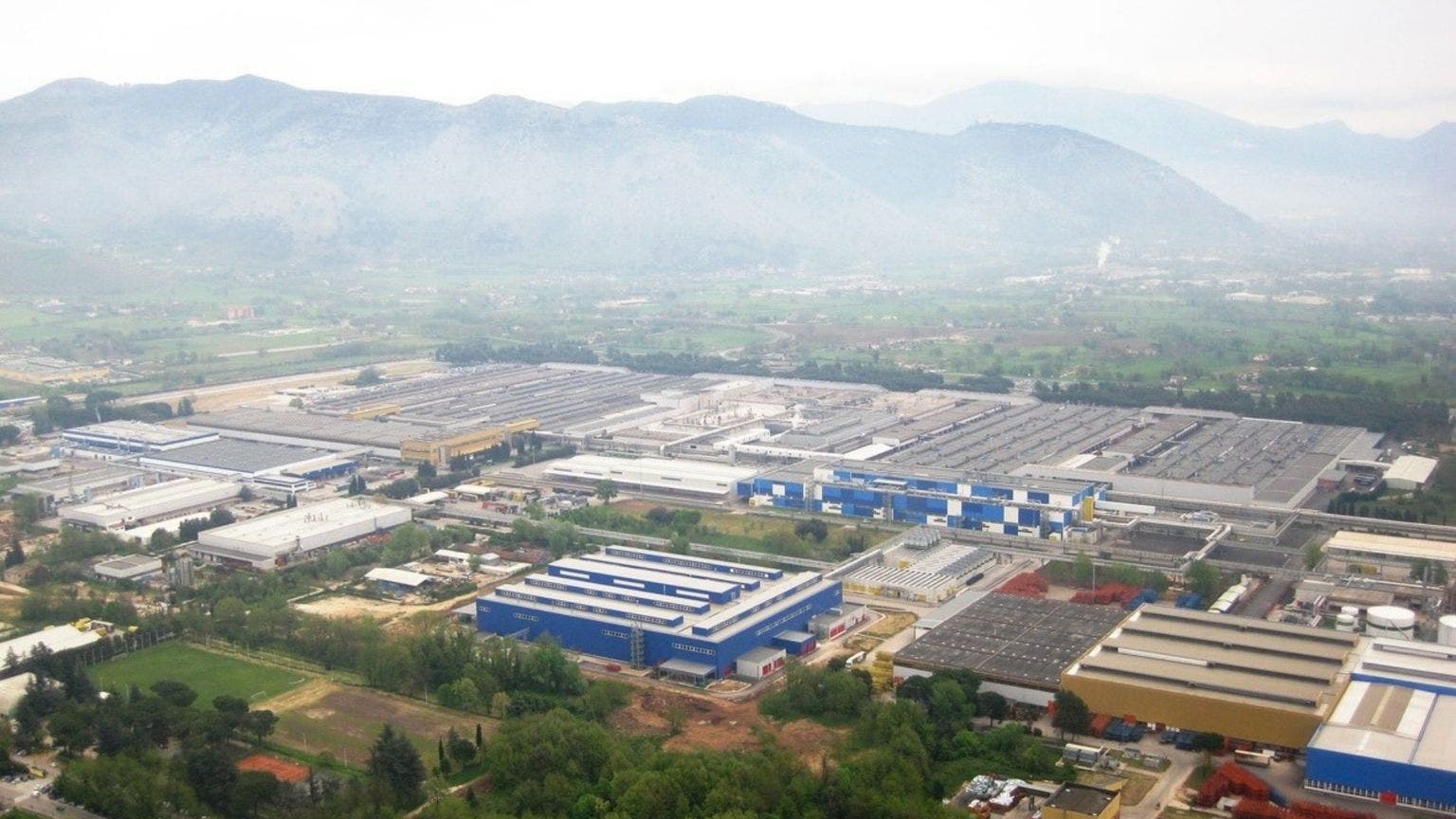
Cassino is the undisputed heavyweight champion of planned industrial decay. Last year, the Piedimonte San Germano site spent 105 days with the gates locked. That’s more than three months of silence, broken only by the sound of 600 workers signing solidarity contracts while their livelihoods evaporated in the cold Lazio air.
The numbers are beyond pathetic, they are an insult to Italian engineering. Just 19,000 vehicles rolled off the lines in 2025, the lowest level since the plant opened its doors in 1972. To give you some perspective on this disaster: back in 2017, this place was pumping out 135,000 units.
The Alfa Romeo Giulia and Stelvio, once the great hopes of the “Italian relaunch”, managed a combined 14,400 units. Then we have the Maserati Grecale, which couldn’t even crack the 5,000-unit mark. As for the electric version? It’s a ghost.
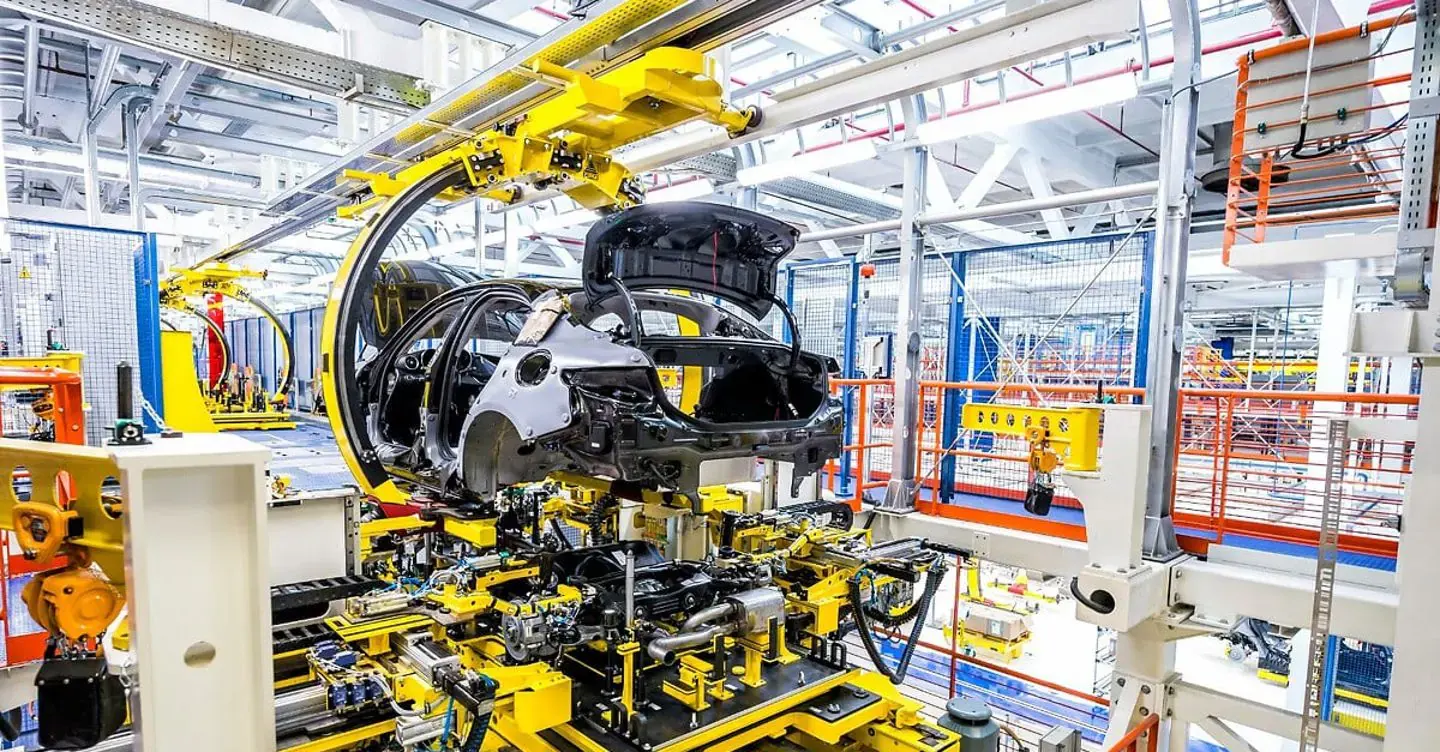
The real tragedy isn’t just the empty parking lots; it’s the total absence of a future. The next generations of the Stelvio and Giulia, originally promised for 2025, have been kicked down the road by three years. Three years, in the automotive world, that’s an eternity.
Meanwhile, Cassino assembly lines move with the agonizing speed of a tectonic plate, and the local supply chain is clinging to expiring contracts like a drowning man to a lead weight. Since February 18th, there hasn’t been a single soul on the production floor. It’s as if the Christmas break became a permanent lifestyle choice. All eyes are now glued to May 21st, the 2026 Investor Day, where CEO Antonio Filosa is expected to reveal a plan.