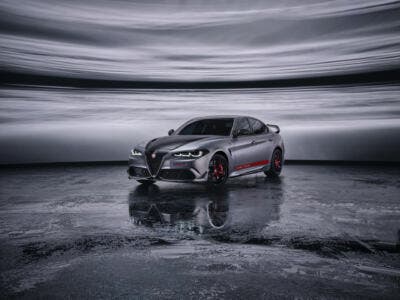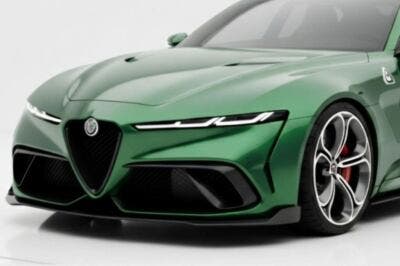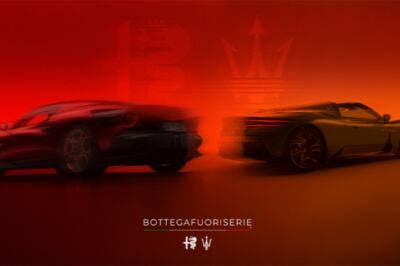
The Brussels Motor Show 2026 provided an opportunity to take stock of the future of two of Italy’s most iconic automotive brands. Santo Ficili outlined a strategy aimed at increasingly close operational integration between Alfa Romeo and Maserati, while stopping short of a merger that would dilute their individual identities. The CEO confirmed that the relationship between the Biscione and the Trident is set to strengthen, driven in particular by the BottegaFuoriserie program, which recently unveiled the new Giulia Quadrifoglio Luna Rossa. This collaboration will not be limited to high-end customization, but is also likely to extend into the development of future models, leveraging the technical expertise of both brands to generate meaningful technological innovation.
Alfa Romeo and Maserati deepen ties while preserving distinct brand identities
Despite this growing industrial closeness, Ficili moved to reassure the market about the separation of commercial roles. Maserati and Alfa Romeo will remain clearly distinct entities, avoiding any risk of overlap through a well-defined market hierarchy. Maserati will continue to occupy the realm of extreme luxury, while Alfa Romeo will remain positioned as a premium brand focused on performance and driving engagement. This clear positioning allows the two marques to share resources and platforms without competing directly, ensuring each retains its own dedicated customer base and strategic space.
The commercial results from 2025 appear to validate this approach, with Alfa Romeo entering the new year on particularly strong footing. The brand closed the year with a 19 percent increase in global sales, a figure that becomes even more striking in Europe, where growth reached 29 percent. Much of this success came from the Junior, the compact SUV that resonated strongly with buyers, approaching 60,000 orders and exceeding even the most optimistic internal forecasts.
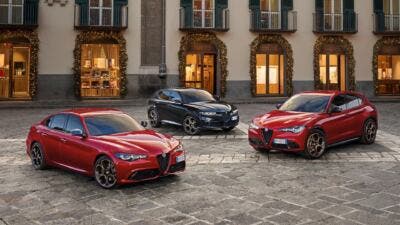
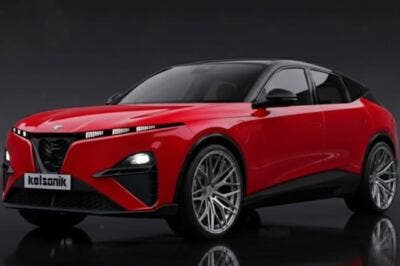
Beyond the Junior’s performance, Ficili expressed strong confidence in the recent Tonale facelift, emphasizing that the update has given the SUV a character and design more closely aligned with the brand’s sporting heritage. As for higher-segment sedans and SUVs, the current plan calls for both the Giulia and Stelvio to remain in the lineup at least until 2027. In news that will please purists, Ficili also confirmed that Quadrifoglio variants will return to the order books, models considered essential to preserving Alfa Romeo’s performance-driven prestige.